1883: “I Have Cooked Eight”: the Whispered Confession Only the Hangman Heard

Robert Francis Burns walked out of a Melbourne courtroom in August 1882 an acquitted man, and was arrested for a different murder before he had left the building. The first charge concerned a fellow railway navvy, last seen heading off with Burns and a gallon of whiskey. A headless body was found in the bush, but the Crown could not prove whose it was.

The second charge held. Michael Quinlivan, “a quiet saving man”, had been great mates with Burns, the only two Irishmen in their work gang. In June 1880 he withdrew 15 pounds from the bank, left a roadside hotel with Burns and was never seen alive again. Weeks later his body was found in a sheep paddock with a fractured skull.

The first jury could not agree after more than six hours; the second convicted in 45 minutes. On the gallows at Ararat Gaol, before about 30 spectators, the hangman was visibly nervous, and Burns plunged into eternity without any final words. Instead, he left a written statement thanking his gaolers, his lawyers and his priest, and admitting nothing.

Afterwards the hangman swore that as he pinioned the prisoner, Burns murmured: “I have cooked eight, five in Victoria and three in Sydney, and now you are going to cook me.”
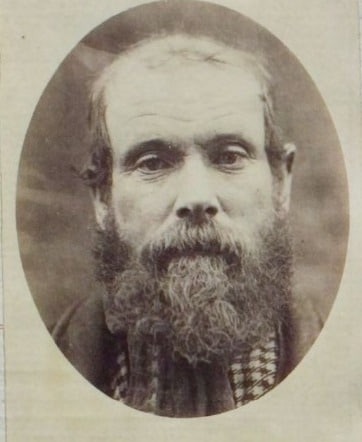

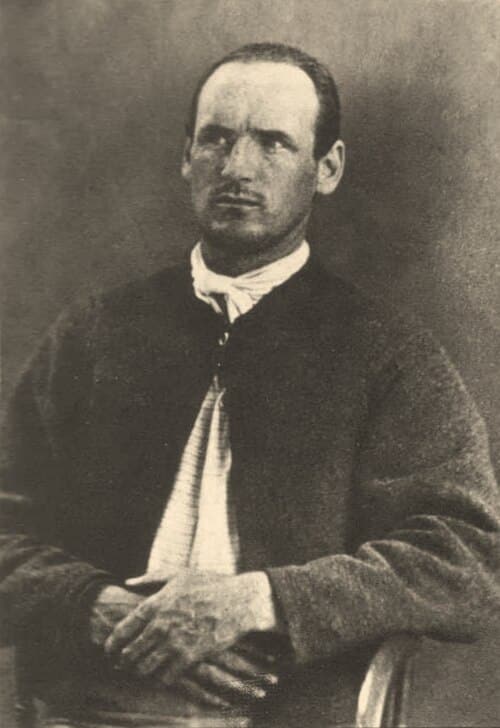
Robert Francis Burns Mugshot: VPRS 515/P0000, Central Register for Male Prisoners 19384 - 19880
Robert Francis Burns Mugshot: VPRS 515/P0000, Central Register for Male Prisoners 19384 – 19880

⬅ See all events from 25 September

Spread the word on your favourite platform!

1854: Anxious to Get Home for Their Dinner: the Killer Who Taunted His Jury, Hanged at Melbourne Gaol

John Hughes told the jurors who convicted him that they were “shopkeepers tired of waiting, and anxious to get home for their dinner”. They had taken ten minutes. Days later he was hanged behind Melbourne Gaol for the murder of Abraham Marcus, a traveller whose only mistake was chasing the men who stole his best horse.

In December 1852 Marcus was bound for the Ovens goldfields with his wife and nine-year-old son when their dray broke down at Yackandandah Creek. Four horsemen stopped, accepted a meal and even helped with the repairs. Hughes turned down four pounds for his tired horse and saddle, remarking that he would not go much further before he had another. When the riders had gone, so had the best of the Marcus horses, with the worn-out mount left in its place.

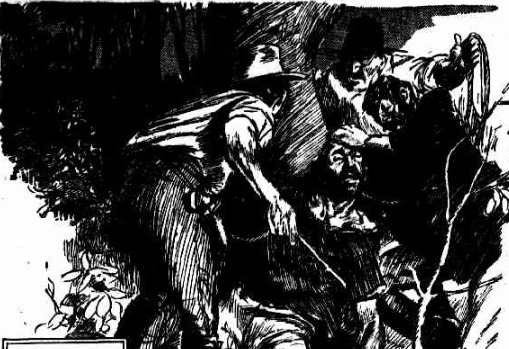
Marcus rode after them and seized the bridle. The gang kept him talking until a passing bullock dray was out of sight, then drew pistols, marched him into the bush and tied him to a tree, where he was later found dead. His whole party recognised the rope: it had hung around the neck of the horse Hughes rode. That same evening, by his own later account, the gang robbed a young Sydney man named Stone on his way home from the diggings; he broke free, was run down and killed, and his body was sunk in a creek, weighted with stones and a saddle.

A reward of 200 pounds was offered, but it was 1854 before the widow picked Hughes out of a line of 21 identically dressed prisoners in the yard of Darlinghurst Gaol. He made a long confession naming three accomplices, then asked to be sent to Melbourne quickly, since enough had been proved to hang him. At trial he called the jurors “new chums”, to laughter from the gallery. The judge replied that an innocent man would never have dared to browbeat a jury so, and that the clear evidence of the dead man’s young son had settled the matter.

From the dock Hughes withdrew his confession as false and swore the men he had named were innocent too: “I now say, and will on the day of my death, that I am an innocent man.” He went to the scaffold pale but composed, and made no further revelations.

Killer hung by his own rope.

⬅ See all events from 25 September

Spread the word on your favourite platform!

1863: One Shot from the Bush: the Outlaw Whose Rescue Attempt Killed His Brother

Larry Cummins was 20 when a Goulburn jury convicted him of armed robbery and he was sentenced to fifteen years of hard labour, the first in irons. His accomplice in the hold-up, both men with blackened faces, had been his 18-year-old brother. And the charge everyone was talking about had already been dropped: the murder of that same brother.

Weeks earlier, police had found the younger Cummins hiding in the loft of his mother’s hut. He fired twice at the constables before surrendering, and they saddled one of the family’s own horses to take him to the lockup. Eight miles along the track a single shot rang out from the bush. It struck the prisoner behind the ear; he “gave one groan” and died. The constables never saw the gunman, only heard a horse galloping away. The shot was assumed to have been meant for the constable, and the man behind it to be Larry, trying to set his brother free. There was not enough evidence to try him for it.

Three years later Cummins escaped from Berrima Gaol by crawling through 120 yards of sewer, only to be recaptured within months. Released in 1876, he lived out his days in Victoria under another name, as a drover and whipmaker, and died in 1909.

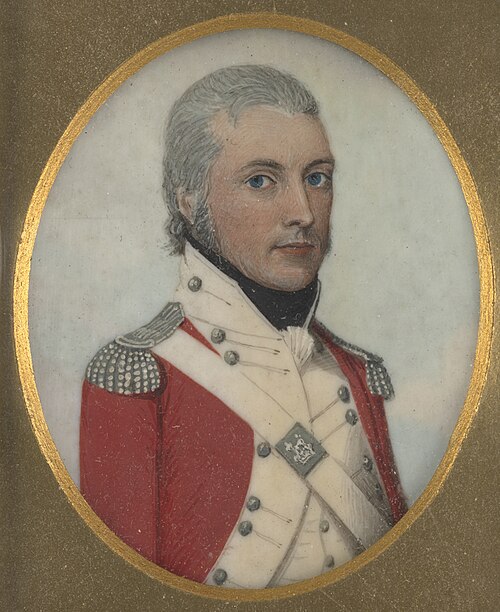
Sepia portrait of bushranger Larry Cummins 1843 to 1909

⬅ See all events from 24 September

Spread the word on your favourite platform!

1937: Convicted of Kidnapping: Two Years Before Becoming the Last Prisoner Executed in NSW

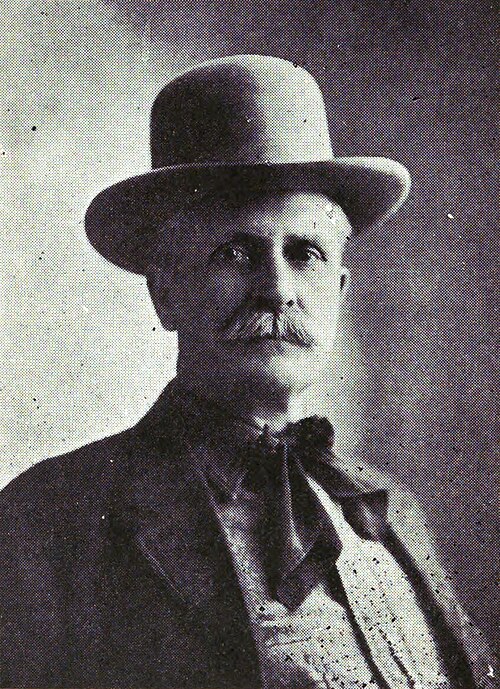
John Trevor “Jack” Kelly was found guilty of kidnapping on 23rd September 1937, and was sentenced to eighteen months’ imprisonment, with a recommendation that he undergo observation following concerns about lasting effects from a motor accident.

Released in November 1938, Kelly committed murder less than three months later. He stood trial before the same judge who had sentenced him for kidnapping, but this time he was sentenced to death, becoming the last prisoner executed in New South Wales.

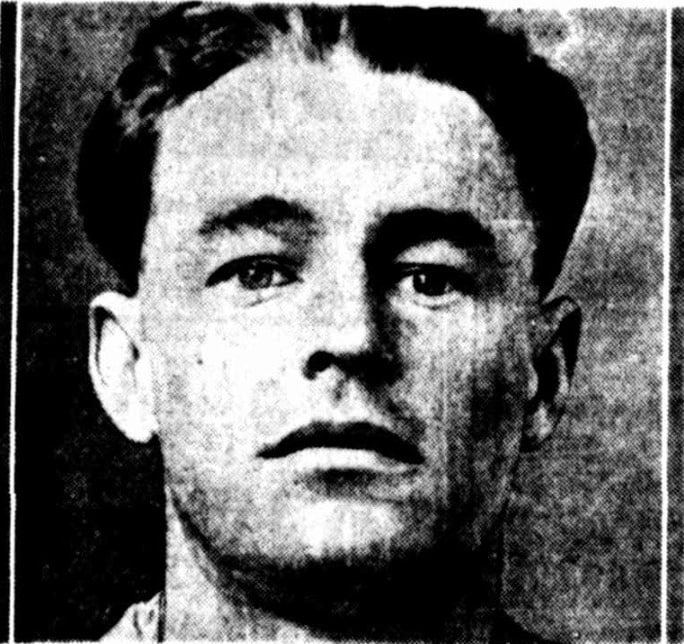
John Trevor Kelly axe murderer.

⬅ See all events from 23 September

Spread the word on your favourite platform!
On This Day in True Crime History

Subscribe to Dark Stories

True crime stories, dark history and tour news, straight to your inbox.