1899: Chung Yeung and Lem Kai Hanged at Fannie Bay Gaol for the Yam Creek Murder

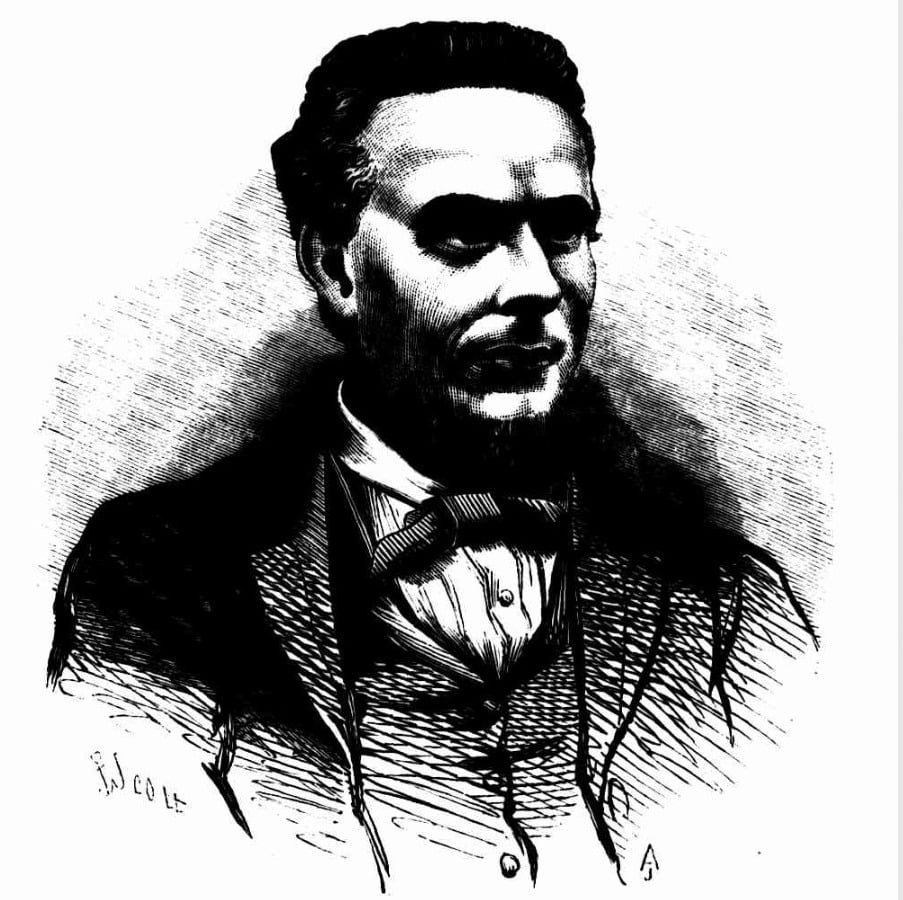
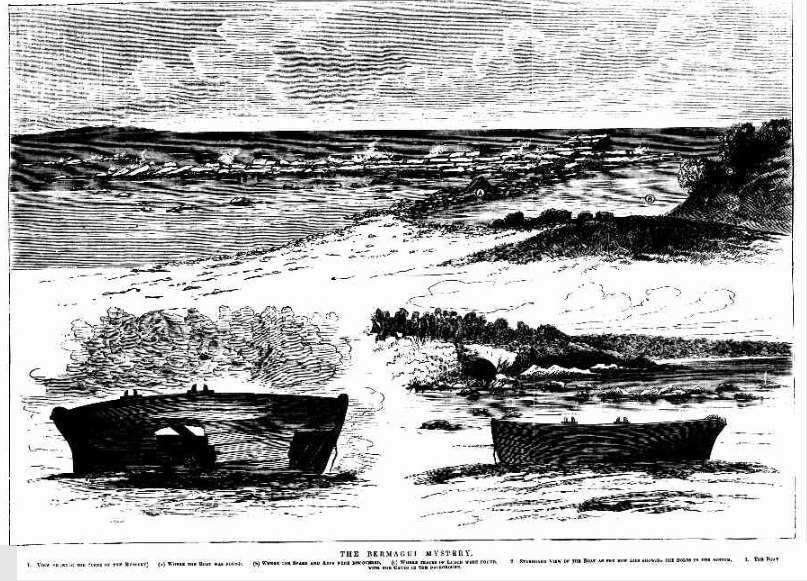
In July 1898, a Chinese man named Chee Hung vanished from Yam Creek in the Northern Territory. Days later, human bones were discovered in a neighbouring garden. Investigators found that Chee Hung had been accused of stealing gold, shot while fishing at a billabong, and then his body was cooked and dismembered with an axe to prevent identification. Lem Kai and his accomplice Chung Yeung were arrested and tried at the Circuit Court in March 1899, where circumstantial evidence was overwhelming and both men were convicted of wilful murder.

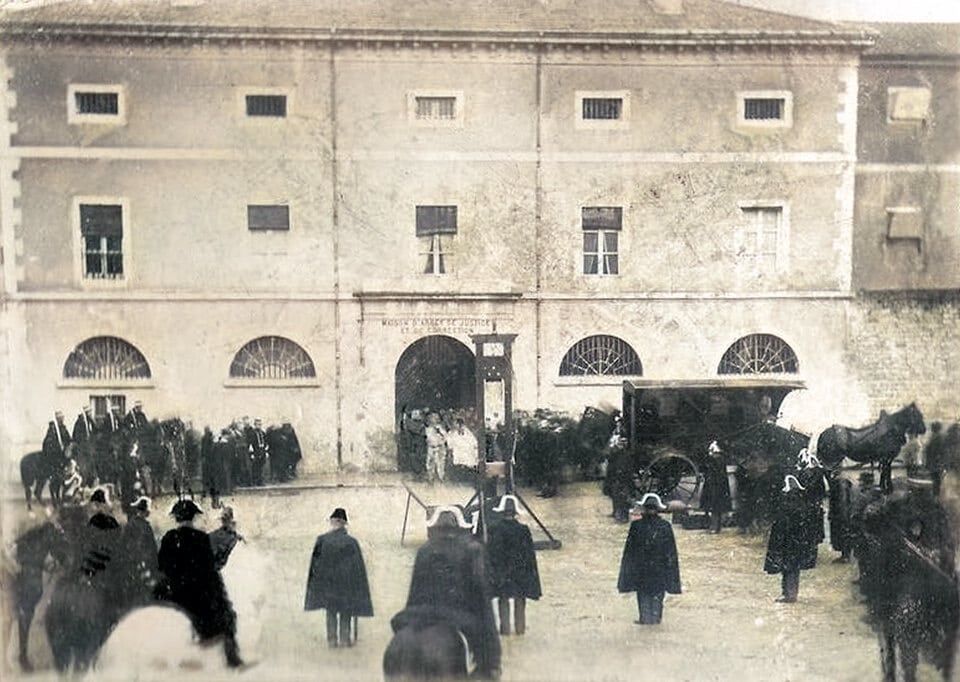
On 10 August 1899, both men were hanged in the yard of Fannie Bay Gaol in the presence of the deputy sheriff, gaol officials, and four justices of the peace. The executioner and his assistant were prisoners serving time in the gaol itself.

Both condemned men admitted their guilt to a Chinese missionary who attended them before the execution, and they met their deaths with composure.
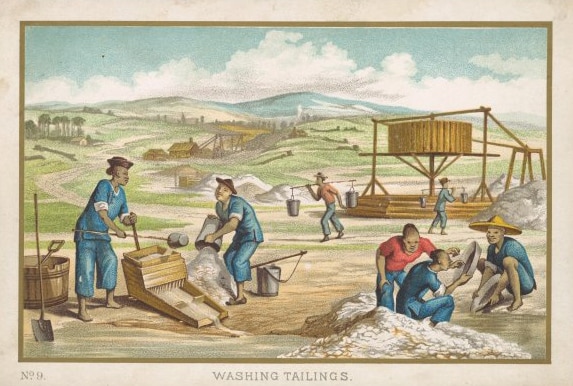

Workers washing mining tailings in the 1870s

⬅ See all events from 10 August

Spread the word on your favourite platform!

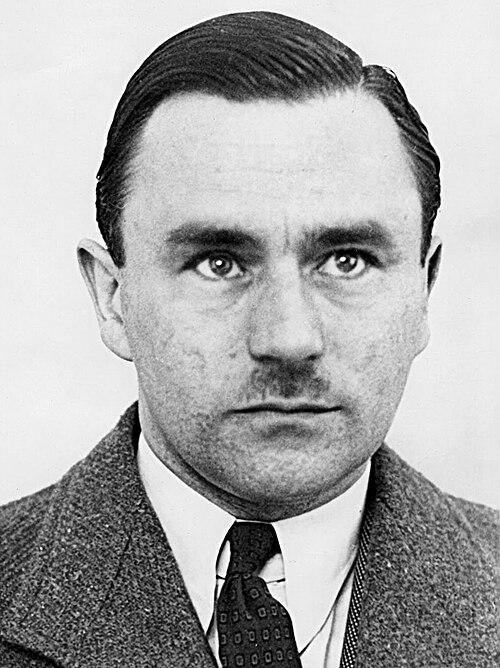
1949: The Acid Bath Murderer: John Haigh Hanged for Six Killings

John George Haigh was an English serial killer who battered or shot his victims, then dissolved their bodies in sulphuric acid to erase all evidence. He forged his victims’ signatures to sell their possessions and collect large sums of money, a scheme he had refined through years of fraud and multiple prison terms. Though convicted of six murders, Haigh claimed to have killed nine.

Born in Stamford, Lincolnshire, and raised in Yorkshire by strict Plymouth Brethren parents, Haigh drifted from fraud into murder after becoming fascinated by French killer Georges-Alexandre Sarret, who had used acid to dispose of bodies. He was arrested in 1949 after police connected him to the disappearance of a widow whose remains, including gallstones and false teeth, survived the acid and were found at his workshop in Crawley, Sussex. Haigh was convicted at Lewes Assizes and hanged at Wandsworth Prison on 10 August 1949.

Portrait of john george haigh

⬅ See all events from 10 August

Spread the word on your favourite platform!

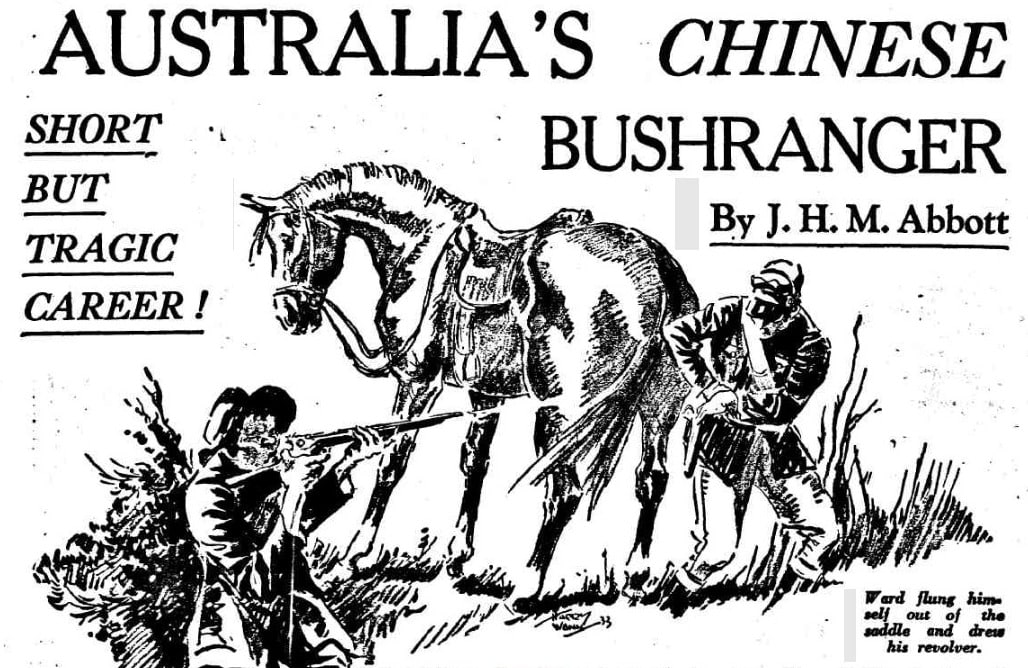
1875: Ah Kat Hanged at Castlemaine for the Murder of Friedrich Renzelmann

Friedrich Renzelmann, a bricklayer living near Dunolly in central Victoria, had long suspected his wife of visiting the hut of a Chinese laundryman known as Ah Kat. One day in early August 1875, Renzelmann feigned leaving for work, concealed himself near the hut, and watched his wife enter. In a rage, he rushed in and struck Ah Kat twice on the head and neck with a chopper before surrendering himself to police.

The follow year, Renzelmann was dead, his battered body found at the bottom of a deep mine shaft on the Bet Bet Reef near Dunolly. When Ah Kat attended a hospital to have head wounds dressed and could not satisfactorily explain them, he was arrested. His wife was also taken into custody pending the inquest.

Ah Kat was tried, convicted of murder, and hanged at Castlemaine on 9 August 1875.

Ah Kat Hanged at Castlemaine for the Murder of Friedrich Renzelmann

⬅ See all events from 9 August

Spread the word on your favourite platform!

1796: First Fleet Convict John Finlow Hanged in Sydney for Murder

John Fendlow (c.1768-1796), a tinsmith convicted at the Old Bailey in 1783 for highway robbery, arrived in Sydney with the First Fleet in January 1788. After time on Norfolk Island, he received a 30-acre land grant at Mulgrave Place in November 1794 and worked as a settler in the Hawkesbury region with his partner Eleanor Byrnes.

On 4 July 1796, Fendlow shot dead his servant David Lane after Lane attempted to assault Byrnes. Byrnes testified that all three had been drinking on a boat that evening, and that Lane had come after her in the house. Fendlow was hanged in Sydney on 8 August 1796.

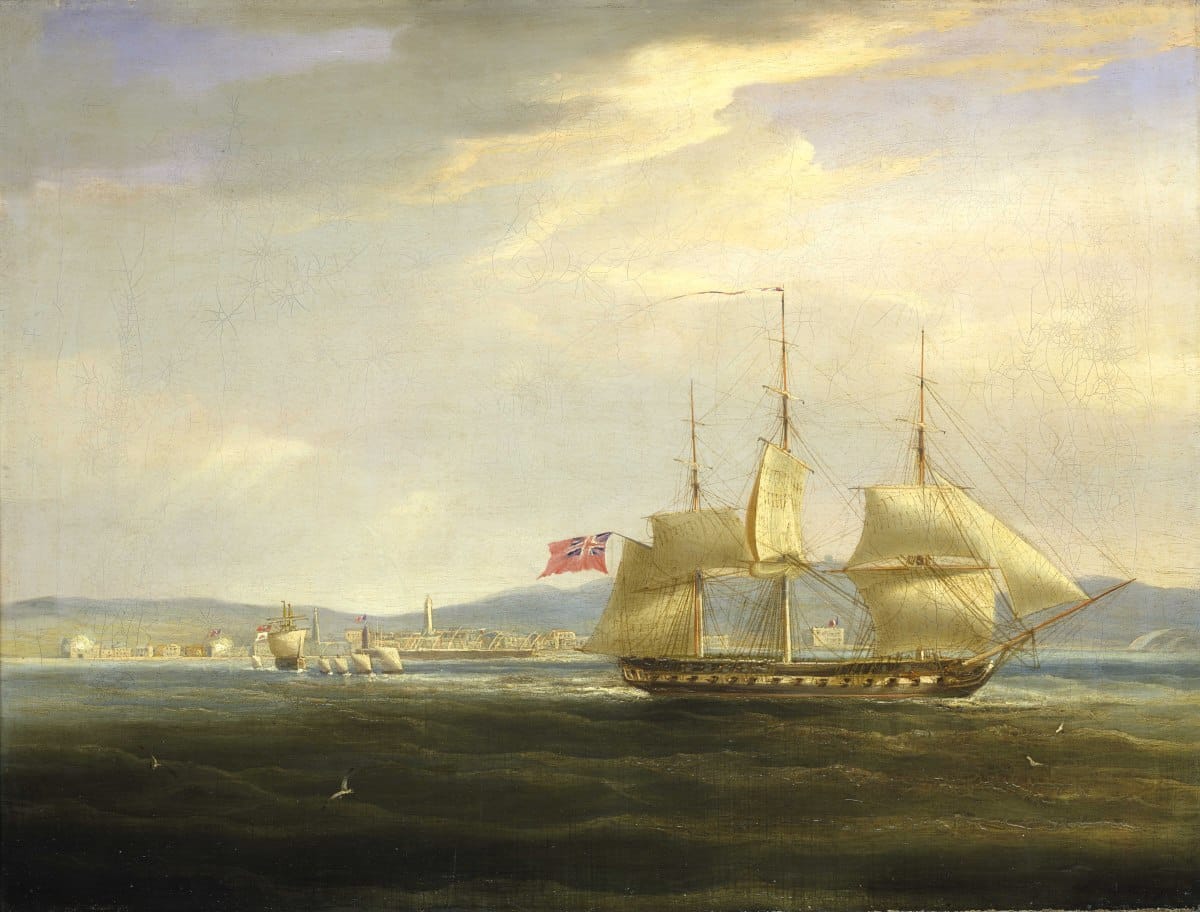
HMS Mercury after 1809. By William Huggins. National Maritime Museum, Greenwich, London

⬅ See all events from 8 August

Spread the word on your favourite platform!
On This Day in True Crime History

Subscribe to Dark Stories

True crime stories, dark history and tour news, straight to your inbox.