1890: The Birth of the Queen of Crime: Agatha Christie, 1890

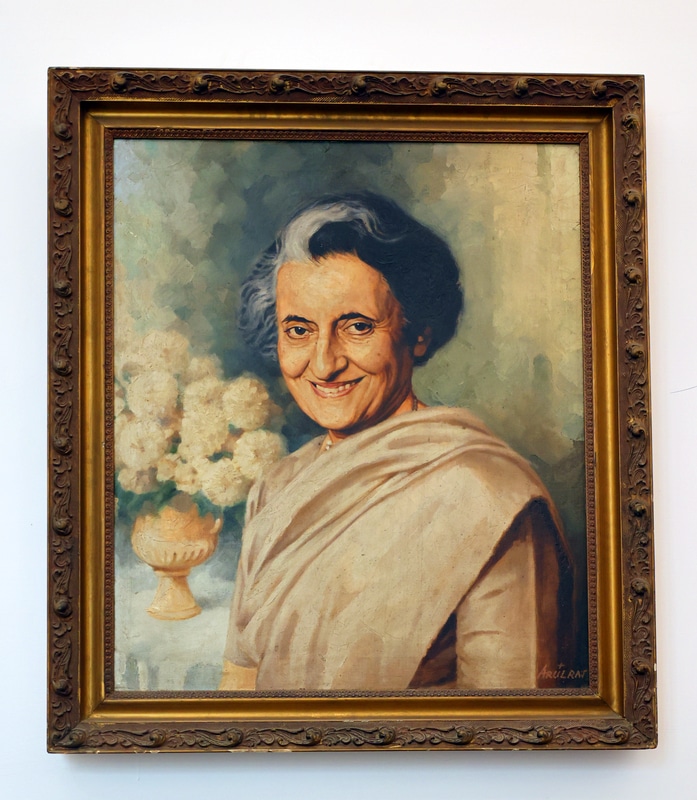
On this date in 1890, Agatha Mary Clarissa Miller was born in Torquay, England, the woman who would become Agatha Christie and the best selling novelist in history after the Bible and Shakespeare. She went on to write 66 detective novels and 14 short story collections, creating enduring figures such as Hercule Poirot and Miss Marple.

Her own life carried a strange echo of her fiction: in 1926 she vanished for eleven days, sparking a nationwide manhunt, before being found registered under an assumed name at a Yorkshire hotel, an episode that remains unexplained to this day.
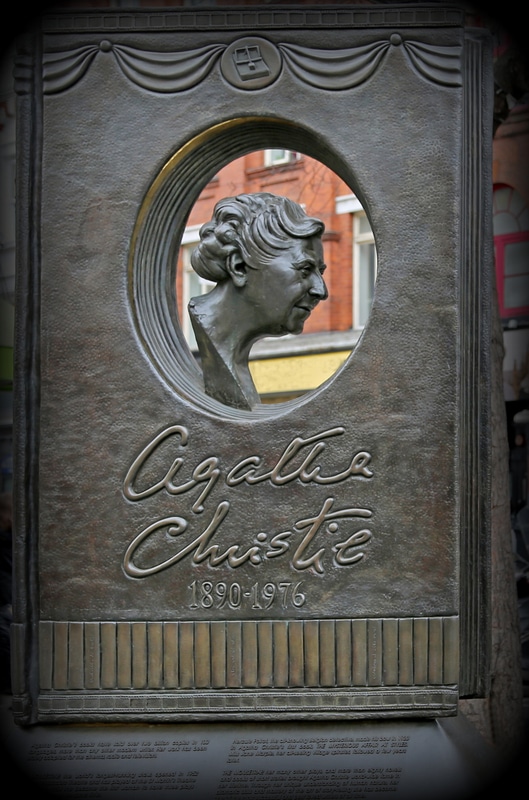

London, Great Britain -May 25, 2016: Agatha Christie Memorial, memorial to author and playwright Agatha Christie, designed by sculptor Ben Twiston-Davies | ID 153687923 © Swetlana Mehlfeld | Dreamstime.com
ID 153687923 © Swetlana Mehlfeld | Dreamstime.com

⬅ See all events from 15 September

Spread the word on your favourite platform!

1978: The Umbrella That Killed: Assassinated with a Ricin Pellet

Bulgarian dissident Georgi Markov was waiting for a bus on Waterloo Bridge in London when he felt a sudden sharp pain in his leg. He turned to see a man pick up a dropped umbrella and hurry away, offering a mumbled apology. Markov thought little of it until a small red mark and fever set in over the following days.

The umbrella had been rigged to fire a tiny pellet packed with ricin, a poison for which there was and is no antidote. Markov died four days later, on 11 September 1978, from the resulting blood poisoning, becoming one of the most infamous casualties of Cold War espionage.

His killer would not be identified for almost three decades. It was not until 2005 that leaked files named the assassin as Francesco Gullino, an agent working for the Bulgarian secret service, though he was never extradited or tried for the murder.

Umbrella gun.
Umbrella gun.

⬅ See all events from 11 September

Spread the word on your favourite platform!

1977: The Last Blade Falls: the Final Guillotine Execution in France

Hamida Djandoubi went to the guillotine in France on this day in 1977, the last person ever executed by the device and the last person executed in France at all. He had been convicted of the murder of 21-year-old Elisabeth Bousquet, a crime that closed out nearly two centuries of the guillotine’s use as the instrument of French justice.

His execution marked a quiet historical hinge: within a few years France would abolish capital punishment altogether, in 1981, making Djandoubi’s death the final chapter of a punishment first adopted during the French Revolution.

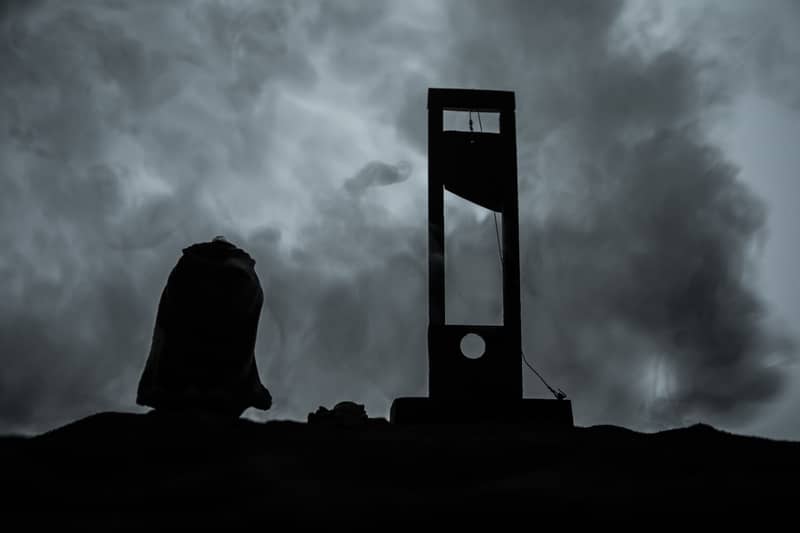
Close-up of a guillotine in dark foggy setting execution concept

⬅ See all events from 10 September

Spread the word on your favourite platform!

1792: Five Days of Mob Killing End as the September Massacres Claim Half of Paris Prisons

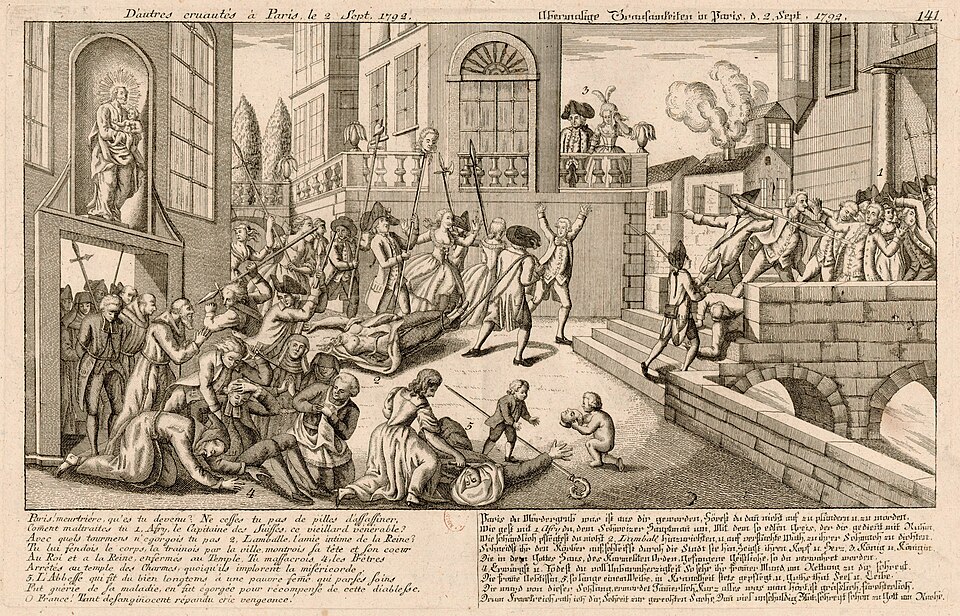
Over five days in September 1792, mobs stormed nine prisons across Paris and carried out mass summary executions of those held within. The killings were brutal in their indiscriminate reach: roughly half the prison population was slaughtered before the violence finally subsided.

An estimated three-quarters of the victims were not political prisoners at all, but common criminals, forgers, women, and children. The September Massacres remain one of the darkest episodes of the French Revolutionary period.

Engraving showing the massacre of Princess de Lamballe

⬅ See all events from 6 September

Spread the word on your favourite platform!
On This Day in True Crime History

Subscribe to Dark Stories

True crime stories, dark history and tour news, straight to your inbox.