1891: The Mace, the Madam, and a Melbourne Scandal That Never Died

In the early hours of 9 October 1891, the ceremonial mace vanished from Parliament House in Melbourne, the silver-plated symbol of the speaker’s authority gone from a locked case. A parliamentary engineer was seen that same day running from the building with a parcel the right size and shape to be the mace; he told police it was firewood, and with no proof against him the investigation stalled.

Thirteen months later newspapers claimed the mace had turned up in the parlour of a notorious madam who catered to visiting members of parliament, a story so delicious it triggered a formal Board of Inquiry. The board cleared the brothel but settled nothing else, and popular rumour simply shifted the blame onto the new Speaker, Thomas Bent, despite his having taken office only after the theft. The mace was never seen again, and whether it was a burglary or a parliamentary prank gone wrong remains Melbourne’s favourite unsolved mystery.
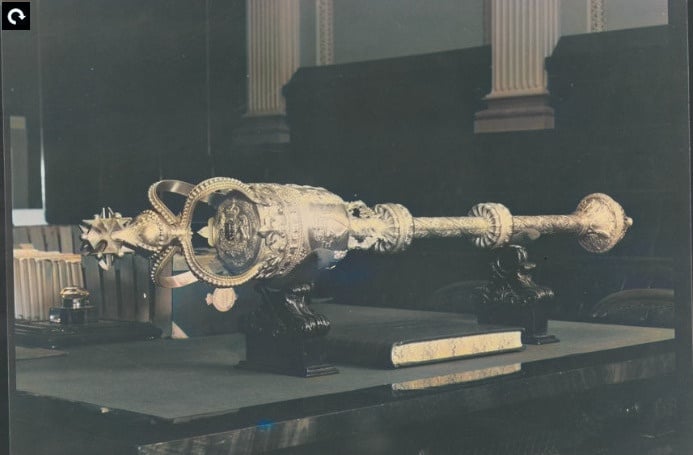

Parliamentry Mace Stolen: Credit: Public Record Office Victoria, VPRS 14517/P0001/39, O884.

⬅ See all events from 9 October

Spread the word on your favourite platform!

1959: Through a Chapel Ventilator: the Sydney Jailbreak That Triggered Australia’s Biggest Manhunt

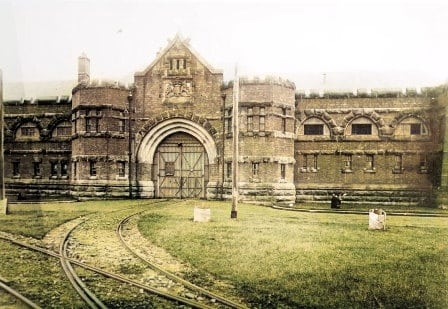
Kevin Simmonds and fellow inmate Leslie Newcombe escaped Sydney‘s Long Bay jail on 9 October 1959 by squeezing through a ventilator in an old chapel while prisoners watched a film. The next day they killed prison guard Cecil Mills at Emu Plains Prison Farm and fled with his gun, triggering what became the biggest manhunt in Australian history.

Newcombe was caught within a fortnight, but Simmonds evaded hundreds of armed police, tracker dogs and a helicopter for more than five weeks, tying up two rangers and stealing their truck along the way. Detective Sergeant Ray Kelly, nicknamed ‘Gunner’ for his record of shooting suspects, finally ran him down near Mulbring on 15 November, by which point crowds were cheering him at police stations as a folk hero.

A jury convicted both men of manslaughter rather than murder, and Simmonds was sent to the ‘intractables’ wing of Grafton gaol. Six years of brutal treatment there left him a vacant, self-harming shell of the man who had outrun the state; he was found hanged in his cell in 1966.

Long Bay Gaol Entrance (circa 1900)

⬅ See all events from 9 October

Spread the word on your favourite platform!

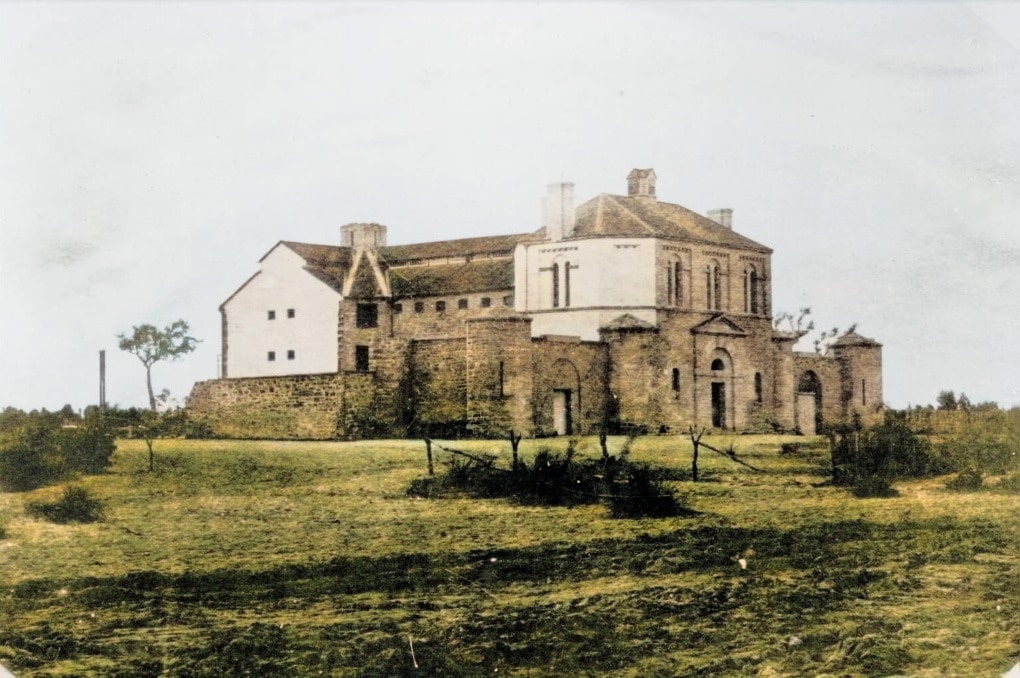
1867: Hanged at Perth Gaol, His Final Words a Shout for the Irish Republic

Bernard Wootton, a repeat escapee from Fremantle Prison, broke out in August 1867 in a scheme so audacious it fooled the guards: a fellow convict disguised as a warder simply marched the escape party out the gate. Tracked down weeks later near Beverley, Wootton seemed calm enough under guard that Sergeant John Moye freed one of his hands so he could eat breakfast. Wootton snatched a burning iron bar from the fireplace and struck the sergeant across the head.

Only the quick action of an Aboriginal police tracker, who wrenched the bar from him, stopped the attack turning fatal. Convicted of attempted murder at Perth, Wootton was hanged at Perth Gaol.

He refused all offers of religious ministration and went to the scaffold defiant, his last words reportedly a shout for the Irish republic.

Old Perth Gaol circa 1970

⬅ See all events from 8 October

Spread the word on your favourite platform!

1908: The Slowest Death: a Perth Stepmother’s Acid Poisoning Spree Claims a Third Child

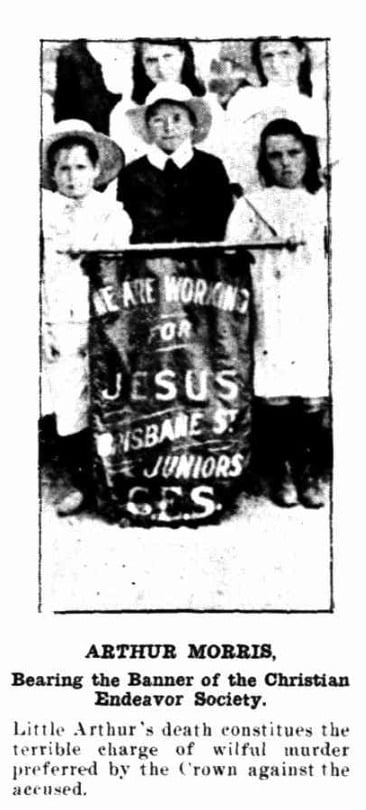
Arthur Morris was the last of three children to die after his stepmother, Martha Rendell, began swabbing their throats with hydrochloric acid at the family home in East Perth, Perth. His two sisters had died the previous year from the same treatment, disguised as a cure for diphtheria. Arthur, 15, suffered for months before he finally succumbed in 1908.

A doctor who had treated the boy, suspicious of the family’s string of throat deaths, requested an autopsy. The first examination found nothing to tie Rendell to the deaths, and she would remain free a while longer before the full truth of her method finally emerged.

Arthur Morris, a prize-winning essayist, was poisoned to death two years before his death.

⬅ See all events from 8 October

Spread the word on your favourite platform!
On This Day in True Crime History

Subscribe to Dark Stories

True crime stories, dark history and tour news, straight to your inbox.