1857: Newly Freed, Then Shot by His Employer: A Convict Hanged in Perth for Attempted Murder

John Lloyd, a ticket-of-leave convict working near Geraldton, shot his own labourer John Brown with intent to kill at Port Gregory in June 1857. Brown was himself a former convict, but only months earlier he had been granted a conditional pardon for manslaughter, finally free after years under sentence, before his own employer put a bullet in him.

Lloyd was tried and convicted that October, and hanged at Perth Gaol on this day in 1857. It was not his first brush with the gallows' shadow: a decade earlier he had been transported for life from Wales for highway robbery, and had already served years in the colony before the shooting that finally ended his.
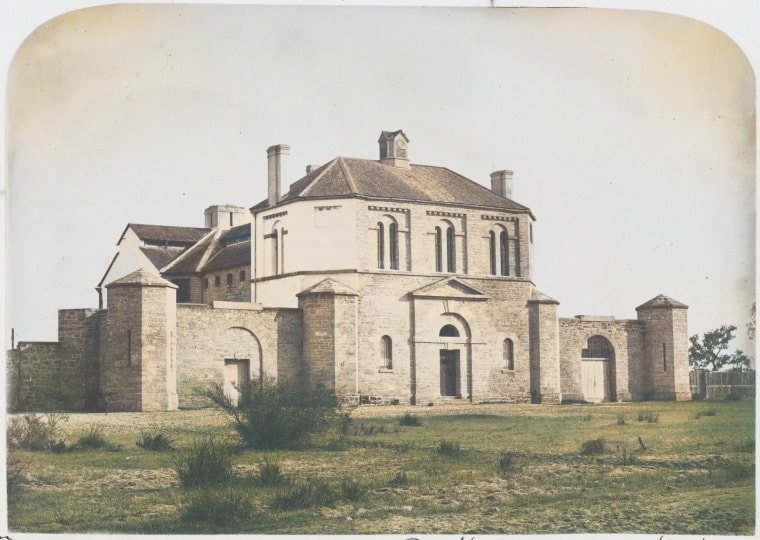

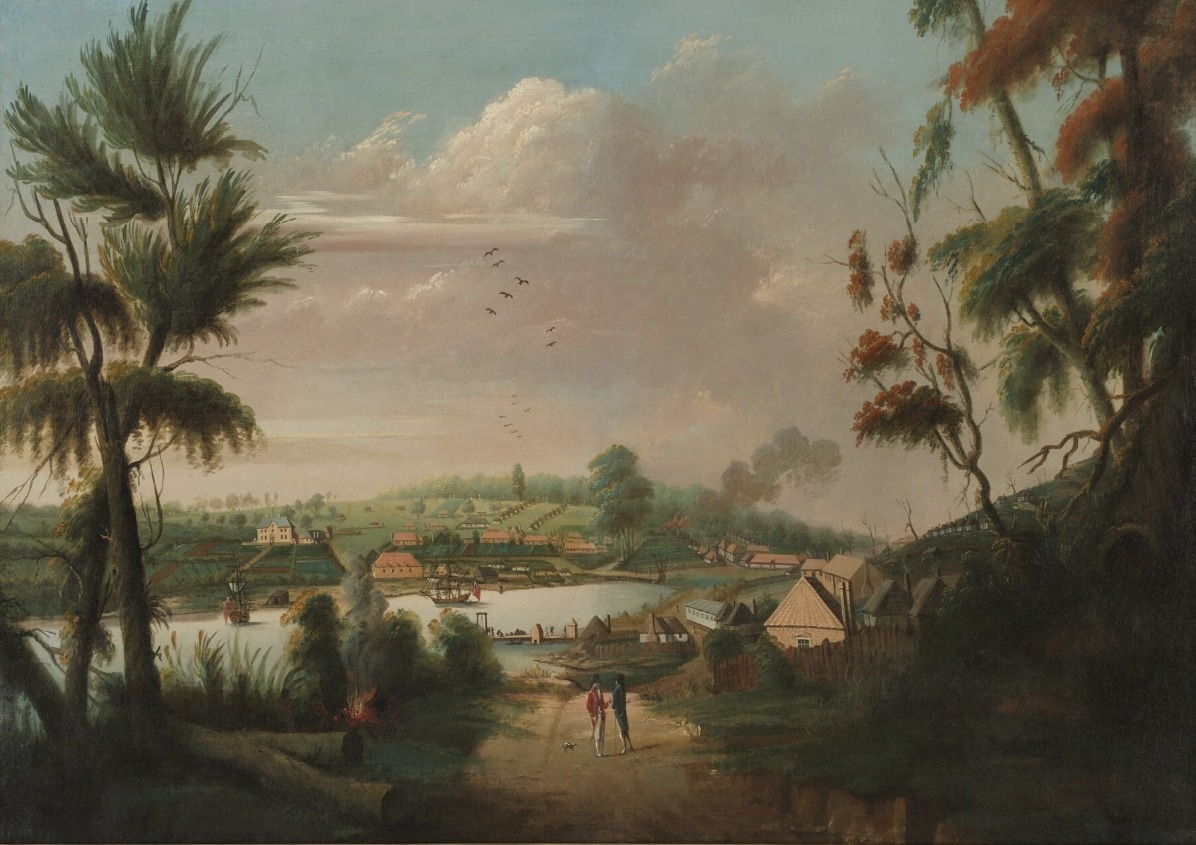
Old Perth Gaol circa 1862

⬅ See all events from 29 October

Spread the word on your favourite platform!

1857: Abandoned by His Own Chaplain: A Shepherd Hanged at Oatlands for a Poisoning Plot

Abraham Munday, a shepherd working the east coast of Tasmania near Swansea, laced a rival shepherd's flour with arsenic, hoping to kill George White. White survived only because the dose was so large it made him vomit it back up. An old man named Hamilton, who happened to share a piece of the poisoned bread while visiting the hut, was not so fortunate: the arsenic settled in his joints and left him crippled for life.

Munday was convicted and sentenced to death. He was hanged within the gaol at Oatlands on this day in 1857, and went to the scaffold badly shaken, not only by his fate but because the clergyman who had attended him in his final days, the Reverend Mr Ison, refused to walk up to the drop with him.

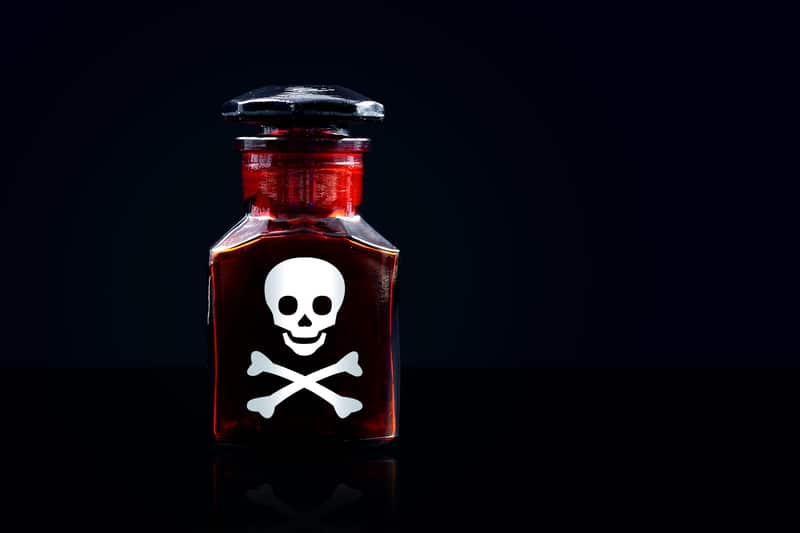
Antique apothecary poison bottle

⬅ See all events from 27 October

Spread the word on your favourite platform!

1853: Sentenced to Hang in Launceston, a Convicted Stabber Learned He Had Inherited a Fortune

A drunken brawl at a Launceston public house turned deadly when William Brown, also known as Stockton, drew a knife and stabbed a man named James Stephens. The wounds were serious enough that a doctor testified to their severity at trial, and Brown was convicted of stabbing with intent to kill and sentenced to death, with no hope of mercy.

While he lay under sentence in Launceston gaol, word reached him that a relative back in England had left him a sum of money. Rather than let the inheritance go to waste, Brown arranged to bequeath it to a servant who had once worked alongside him as a splitter and sawyer on a property near the East Tamar. He was hanged on this day in 1853, his strange act of generosity settled just before the sentence was carried out.

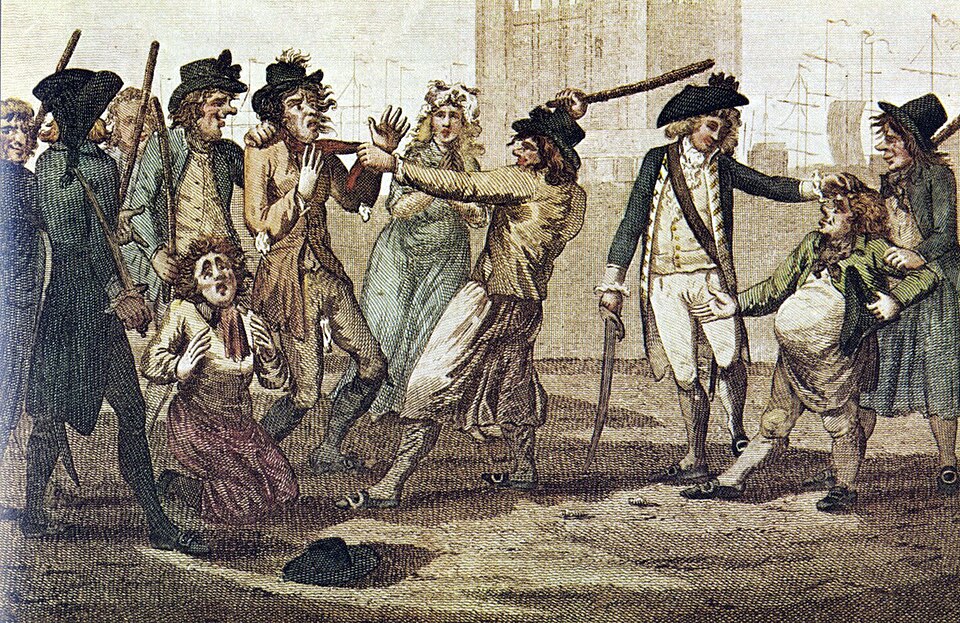
Signing a last will and testament document with quill pen

⬅ See all events from 25 October

Spread the word on your favourite platform!

1895: George Dean, Pardoned for Poisoning His Wife, Convicted of Perjury in Sydney

George Dean, captain of a Sydney harbour ferry celebrated for pulling drowning passengers from the water, was sentenced to death in 1895 for poisoning his wife, Mary, with arsenic and strychnine hidden in lemon syrup and tea. No one could prove he had ever bought the poison, and a public outcry over the verdict forced a Royal Commission, which found the evidence wanting; Dean walked free with a pardon that June.

The relief did not last. His own lawyer admitted to a former Chief Justice that Dean had privately confessed his guilt, and a North Shore chemist came forward swearing he had sold Dean the poison himself, with no entry ever made in the sale book. Dean was arrested again and confessed in writing.

On 24 October 1895 he was convicted of making a false declaration and sentenced to five years. The following day a second conviction, for perjury committed to procure his own acquittal on the capital charge, added fourteen years, the terms to run concurrently.

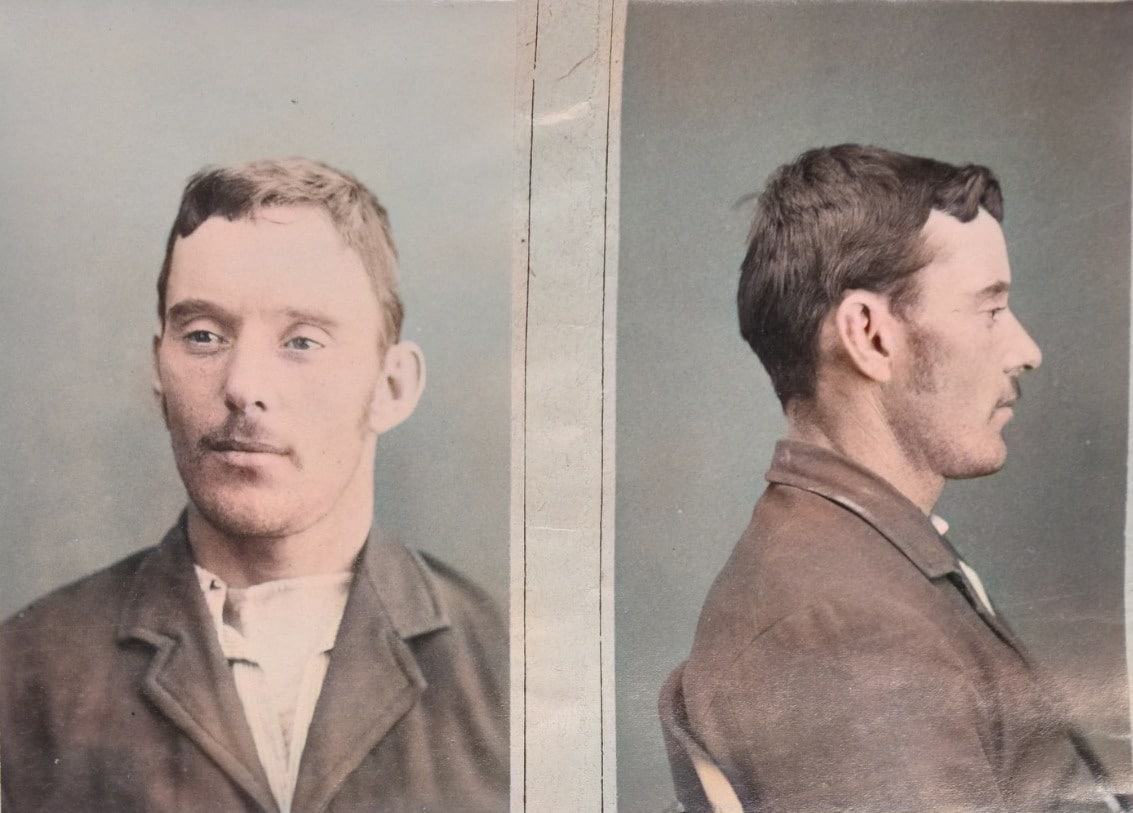
George Dean lemon syrup case. Prison photograph. Credit: Museums of History NSW, State Archives Collection.

⬅ See all events from 24 October

Spread the word on your favourite platform!
On This Day in True Crime History

Subscribe to Dark Stories

True crime stories, dark history and tour news, straight to your inbox.