1898: Kate Kelly, Sister of Bushranger Ned Kelly, Vanishes Eighteen Years After His Hanging

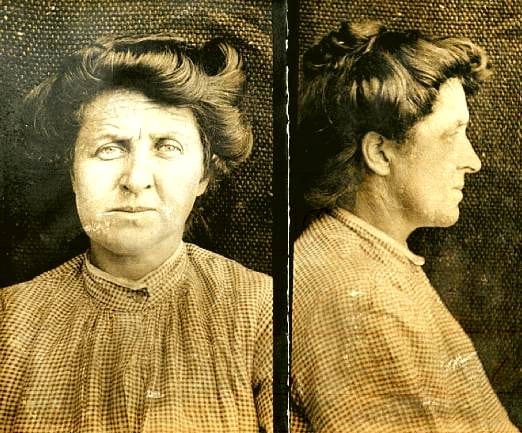
In 1878, Constable Fitzpatrick arrived alone and drunk at the Kelly family homestead and assaulted fourteen-year-old Kate Kelly, the spark that turned her brothers Ned and Dan into outlaws. With her mother jailed as an accomplice, teenage Kate raised her younger siblings, campaigned for Ned’s clemency, and later toured with relics of the gang after his hanging at Melbourne Gaol in 1880.

Eighteen years on, now married and living near Forbes in New South Wales, Kate vanished from her home. She was found drowned in a nearby waterhole, aged 35. Her death was officially ruled an accident, but questions about what drove her there have never fully gone away.
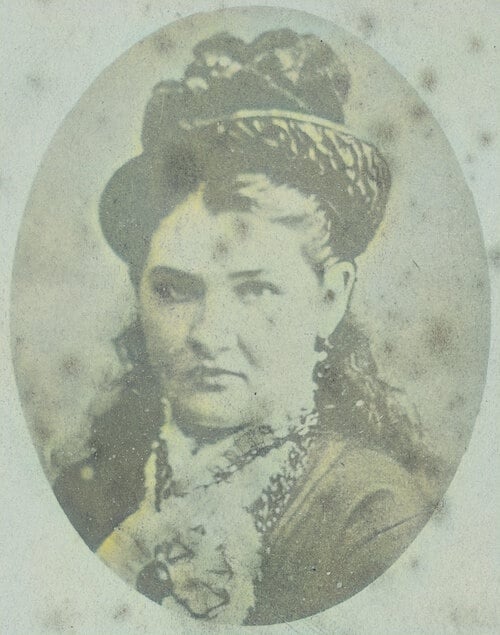

Portrait of Kate Kelly sister of Ned Kelly

⬅ See all events from 6 October

Spread the word on your favourite platform!

1972: The Teacher Who Kicked a Hole in the Kidnappers’ Van and Saved Six Children

At a one-teacher school in rural Victoria, two unemployed plasterers, Edwin John Eastwood and Robert Clyde Boland, burst in with a sawn-off shotgun and forced 20-year-old teacher Mary Gibbs and her six young pupils into a van, demanding a million dollar ransom. Victoria’s premier agreed to pay, and the education minister himself waited at the handover point with police hidden nearby, but the kidnappers never returned to collect it.

Left alone with the children overnight, Gibbs kicked out a door panel with her heavy platform boots and led the girls through the dark bush to safety. Eastwood and Boland were run down in a manhunt; Eastwood pleaded guilty and was jailed, while Boland was convicted after three trials.

It was not the end of the story. Eastwood escaped prison years later and staged a second mass kidnapping of a teacher and nine pupils, and while back behind bars he killed a fellow inmate in what was ruled self-defence.

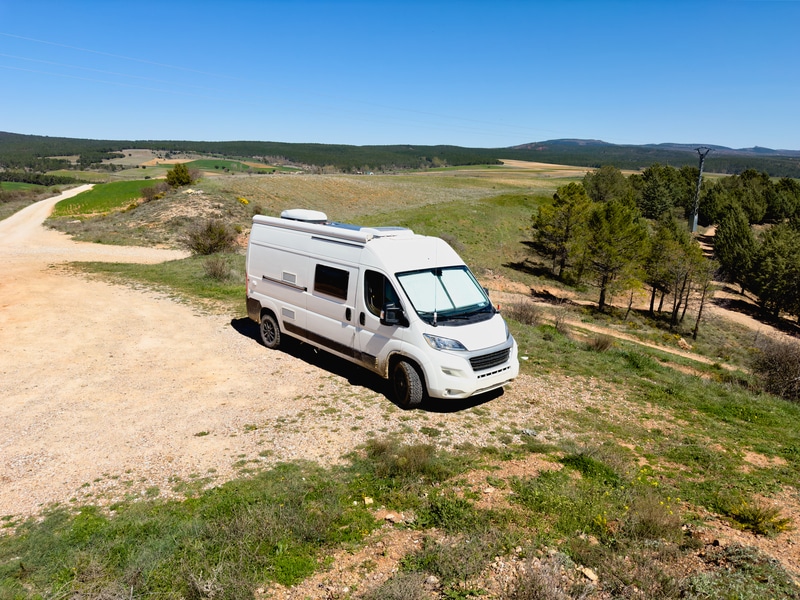
White camper van parked on dirt pull-off overlooking rural hills

⬅ See all events from 6 October

Spread the word on your favourite platform!

1983: The Body Was in the Backyard the Whole Time: a Melbourne Wife Murder Hidden in a Barrel for Two Decades

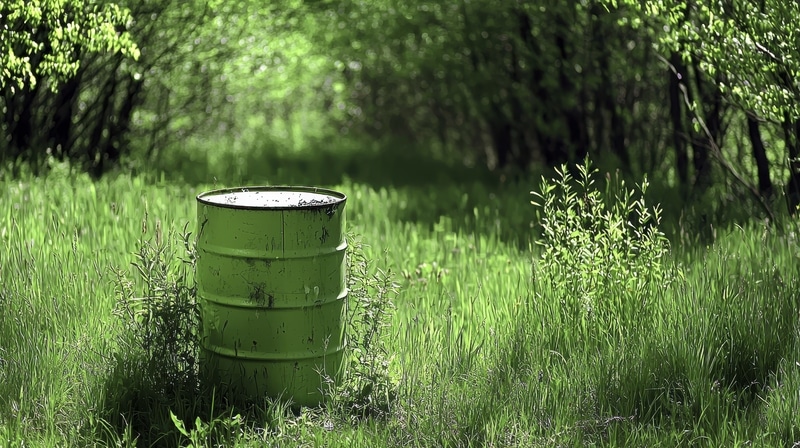
When Edwina Boyle vanished from her home on this day in Carrum Downs, in Melbourne‘s southeast, in 1983, her husband Frederick Boyle produced a note saying she had run off with a truck driver. His mistress moved in two days later, and neighbours pitied him for raising two daughters alone. All the while Edwina’s body sat metres away, sealed in a green metal barrel in the backyard where the family held parties and guests leaned against it without ever knowing.

The secret held for 23 years, until Boyle’s future son-in-law grew suspicious of his odd anxiety about the drum and cut it open, finding clothing, then later a hessian bag of human bones including a skull. Boyle was convicted of murder in 2008 and sentenced to 21 years, having shot his wife in the head.

He initially claimed he found her dead and panicked, but later admitted he strangled and shot her, telling the court, “my wife died in a terrible way and I was not going to let her remains be thrown down the tip like garbage”.

Hidden in plain sight for 20 years.

⬅ See all events from 6 October

Spread the word on your favourite platform!

1866: He Was Fed Breakfast, Then Declared Himself a Bushranger and Shot His Host

Henry Facey Hurst, the pioneer settler after whom Hurstbridge in Victoria was later named, was feeding a hungry stranger at his station near Diamond Creek on the morning of 4 October 1866 when his sister spotted a revolver hidden under the man’s coat. Hurst quietly loaded his own gun and confronted him. Offended at what he called an insult, the stranger leapt up and announced, “I am a bushranger”: Robert Burke. Burke tried to fire first, but the cap misfired; Hurst got his shot away, and Burke then fired three rounds of his own, one tearing into Hurst’s stomach and lodging in his own leg.

Though mortally wounded, Hurst clung to Burke until a friend, Joseph Abbott, wrestled the bushranger down and tied him with a halter. Hurst bled to death that evening. Burke was convicted of wilful murder, though the jury recommended mercy on the grounds that Hurst had fired the first shot. He was hanged at Melbourne Gaol.

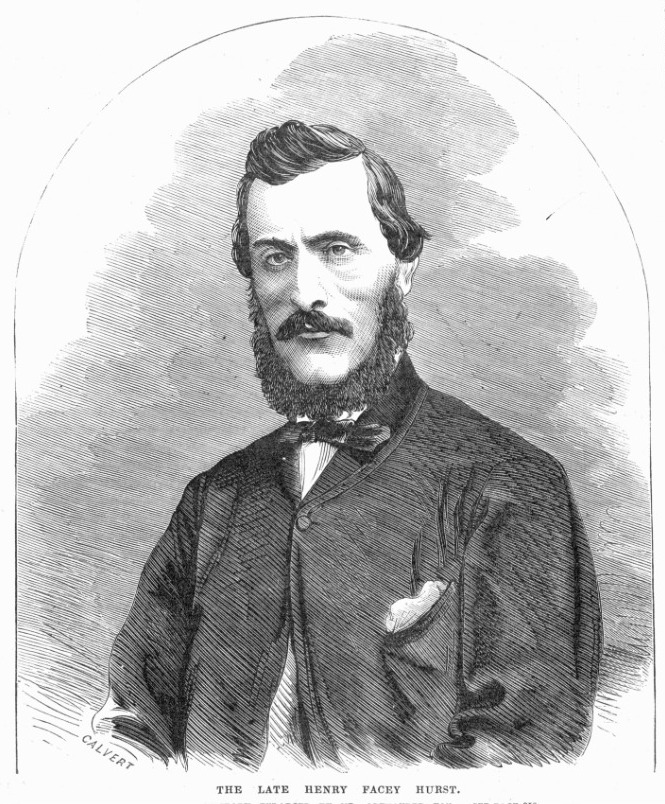
The late Henry Facey Hurst, engraving by Samuel Calvert, 27 October 1866. State Library Victoria, IMP27/10/66/356.

⬅ See all events from 4 October

Spread the word on your favourite platform!
On This Day in True Crime History

Subscribe to Dark Stories

True crime stories, dark history and tour news, straight to your inbox.