1629: The Batavia Massacre: First European Executions on Australian Soil

When the Dutch East India Company ship Batavia wrecked on a reef off Western Australia in 1629, disgraced merchant Jeronimus Cornelisz seized control of the survivors stranded on the barren Houtman Abrolhos islands. Fearing his crimes would be exposed once rescue came, he set his followers to killing anyone who might oppose him or drain the group’s meagre food and water. Over the following weeks his men murdered at least 125 men, women and children, drowning some and butchering others, while a small band of soldiers under Wiebbe Hayes held out against them on a nearby island.

When commander Francisco Pelsaert finally returned with a rescue ship, Cornelisz had already been captured. He and six of his men were hanged on Long Island in the Houtman Abrolhos on 2 October 1629, the first Europeans executed on Australian soil; Cornelisz had both hands amputated before he was strung up. Two lesser offenders were marooned on the mainland instead, becoming the first Europeans known to live in Australia.

Confessions were extracted from several of the mutineers under torture before the executions were carried out.
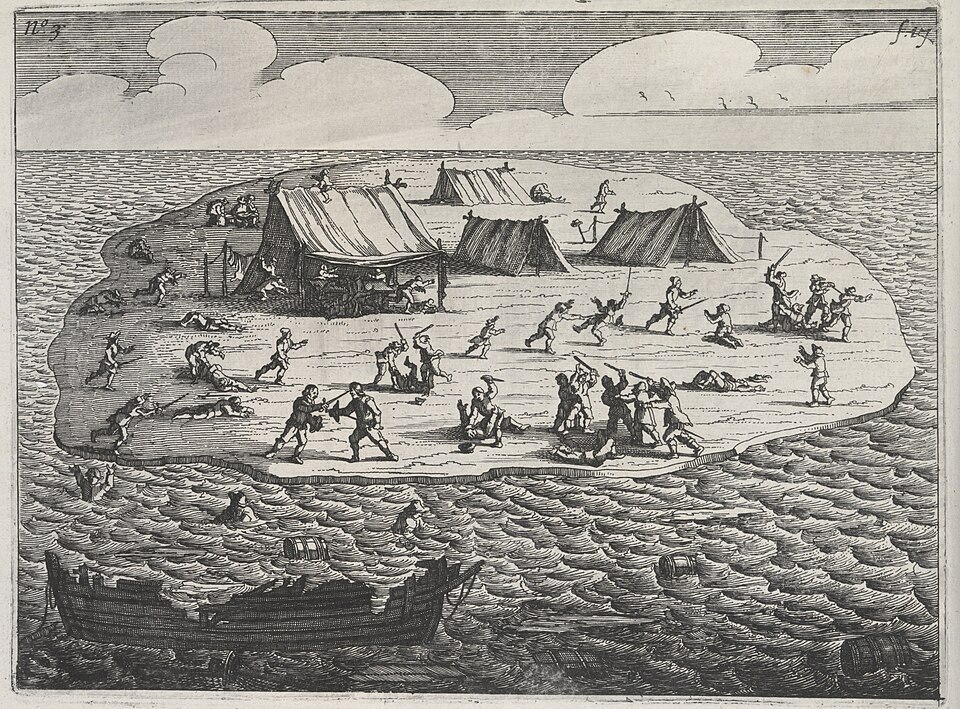

From Shipwreck to Massacre on Beacon Island

⬅ See all events from 2 October

Spread the word on your favourite platform!

1920: The Wagon That Vanished: New York’s Unsolved Wall Street Bombing

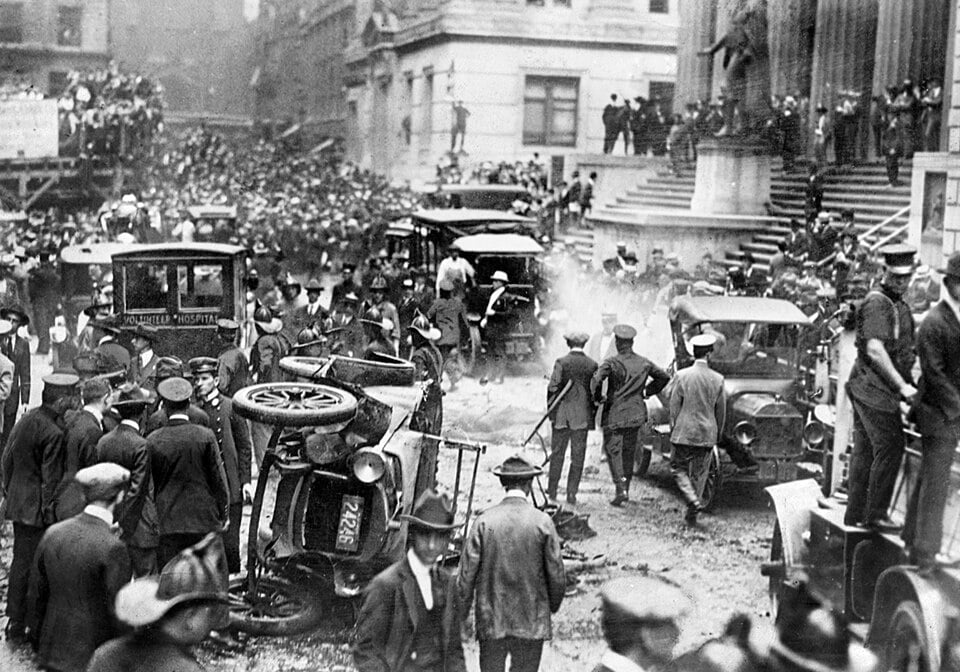
At 12:01 pm on September 16, 1920, a horse-drawn wagon parked across from the J.P. Morgan & Co. headquarters at 23 Wall Street exploded, packed with 100 pounds of dynamite and 500 pounds of cast-iron sash weights turned into shrapnel. Thirty people died instantly and eight more later succumbed to their wounds, with 143 seriously injured and hundreds hurt in total. Witnesses saw the driver step down and vanish down a side street moments before the blast; he was never identified.

Within a minute, the New York Stock Exchange president suspended trading to head off panic. A 17-year-old messenger, commandeered a parked car and used it to ferry 30 wounded victims to hospital as police seized nearby vehicles for the same purpose. Crews worked through the night to clear the wreckage so the Exchange could reopen the next morning, but in doing so destroyed evidence that might have identified the bomber.

Investigators from the Bureau of Investigation, forerunner of the FBI, suspected the attack was the work of Galleanist anarchists responsible for a string of bombings the previous year, but no one was ever charged. More than a century on, the Wall Street bombing remains unsolved, its perpetrator and motive still unknown.

Historic photo of bombing aftermath on Wall Street

⬅ See all events from 16 September

Spread the word on your favourite platform!

1971: Four Days of Rebellion: the Attica Prison Riot Leaves 39 Dead

On September 9, 1971, inmates at Attica Correctional Facility in New York seized control of the prison, taking dozens of guards and staff hostage in protest over brutal conditions, overcrowding, and demands for basic political and civil rights. For four days the prisoners held the yard, negotiating with officials and issuing a list of demands broadcast to the watching public.

On September 13, on the order of Governor Nelson Rockefeller, state troopers and police stormed the facility, opening fire on inmates and hostages alike. By the time the smoke cleared, 39 people were dead, including ten hostages, most killed not by prisoners but by the retaking force’s own gunfire.

The riot remains one of the deadliest prison uprisings in American history and exposed the brutal conditions inside Attica, triggering decades of lawsuits, investigations, and a landmark settlement for survivors and victims’ families.

Prison Inmate
Prison Inmate

⬅ See all events from 9 September

Spread the word on your favourite platform!

1936: Neglect and Extinction: the Last Tasmanian Tiger Dies Alone at Hobart Zoo

The last known thylacine, a carnivorous marsupial, died in captivity at Hobart Zoo in Tasmania. The animal is believed to have perished from neglect, left exposed to extreme temperatures after keepers failed to provide adequate shelter.

Thylacines once ranged across mainland Australia and New Guinea before vanishing there thousands of years earlier, surviving only in Tasmania. Relentless hunting, driven by bounties paid to farmers who blamed the species for livestock losses, combined with the introduction of invasive predators, drove the population to collapse. Benjamin’s death marked the extinction of the species, a loss that went largely unnoticed at the time and was only recognised in hindsight as the end of a unique Australian predator.

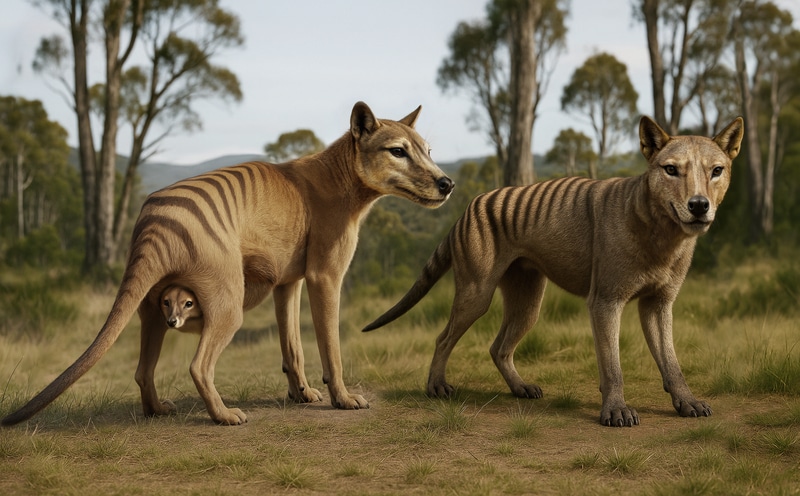
Thylacine mother with joey in pouch in Australian outback

⬅ See all events from 7 September

Spread the word on your favourite platform!
On This Day in True Crime History

Subscribe to Dark Stories

True crime stories, dark history and tour news, straight to your inbox.