1793: The Queen Who Apologised to Her Executioner: the Execution of Marie Antoinette

Nine months after her husband Louis XVI went to the guillotine, Marie Antoinette followed him, tried by the Revolutionary Tribunal for treason against the new French Republic. Her hair had been cropped and her wrists bound behind her back; she rode to the Place de la Revolution in an open cart, not the closed carriage that had carried the king. Witnesses recorded that climbing the scaffold she stepped on her executioner’s foot and murmured an apology, a small, almost absurd courtesy moments before the blade fell on 16 October 1793. The crowd that had once cheered a queen watched in silence.


Marie Antoinette's execution in 1793
Marie Antoinette’s execution in 1793

⬅ See all events from 16 October

Spread the word on your favourite platform!

1586: A Queen on Trial for Her Life: Mary, Queen of Scots, Faces the Crown She Threatened

She had already lost one throne and spent nearly two decades a prisoner in England, but in October 1586 Mary, Queen of Scots, was brought before a tribunal of English noblemen at Fotheringhay Castle, accused of plotting to assassinate her own cousin, Queen Elizabeth I. Letters allegedly written in cipher, part of what became known as the Babington Plot, were produced as evidence that she had approved a plan to murder Elizabeth and seize the English crown for herself.

Mary denied any part in the conspiracy and refused at first to recognise the court’s authority over an anointed queen. The trial proceeded regardless, and the verdict that followed would send her to the executioner’s block the following year.

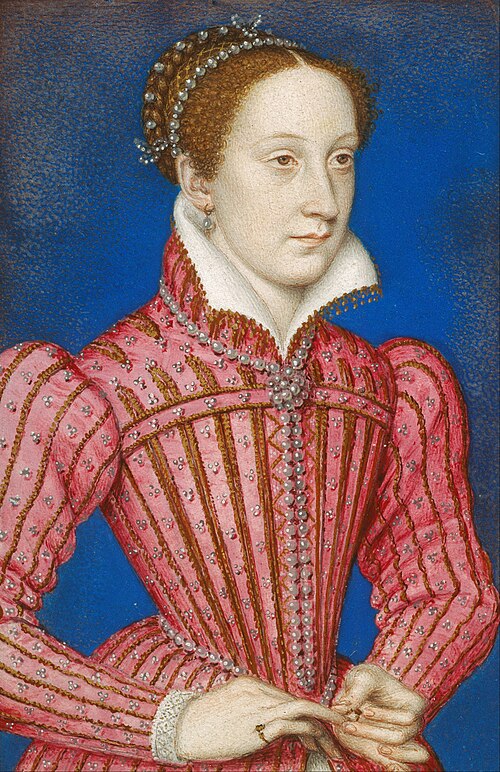
Portrait of Mary Queen of Scots in royal attire

⬅ See all events from 14 October

Spread the word on your favourite platform!

1912: It Takes More Than That to Kill a Bull Moose: the Shooting of Theodore Roosevelt in Milwaukee

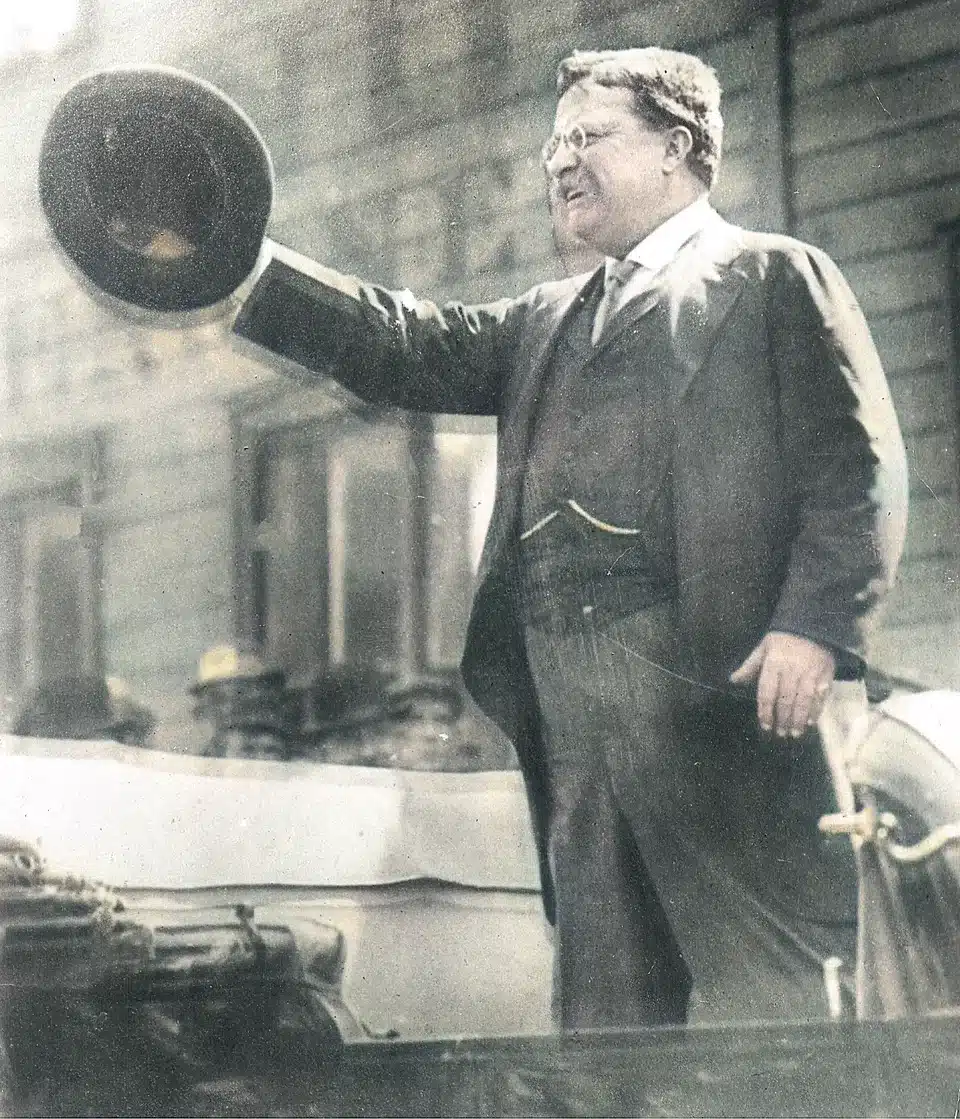
Theodore Roosevelt was climbing into his car in Milwaukee on 14 October 1912, campaigning for a third term as president, when a former saloonkeeper named John Schrank stepped from the crowd and shot him in the chest. The bullet had already been slowed by a folded steel glasses case and a fifty page speech manuscript in his breast pocket before it lodged in his chest muscle.

With the crowd turning on the gunman, Roosevelt shouted for Schrank to be left unharmed and handed to police. Then, bleeding and reasoning from his own hunting experience that he was not coughing blood and so his lung was untouched, he refused hospital treatment and walked onto the stage. He opened his address with the line that followed him ever after: “It takes more than that to kill a bull moose.” He spoke for roughly ninety minutes before finally agreeing to see a doctor. Surgeons judged the bullet too close to vital organs to remove, and Roosevelt carried it in his chest for the rest of his life.

Theodore Roosevelt speaking from a car shortly before being shot in 1912.

⬅ See all events from 14 October

Spread the word on your favourite platform!

1307: Friday the 13th: King Philip the Fair Orders the Arrest of the Knights Templar

Before dawn on Friday 13 October 1307, royal officers across France moved on hundreds of Knights Templar at once, arresting the warrior monks in their own preceptories under sealed orders opened simultaneously nationwide. King Philip the Fair, deeply in debt to the order he had once sworn to protect, accused its knights of heresy and secret blasphemous rites.

Under torture, many confessed to charges historians now regard as fabricated to justify seizing the order’s vast wealth. The arrests marked the beginning of the end for the Templars, who were suppressed within a few years and their leaders burned at the stake, and contributed to the enduring misfortune of the date of Friday the 13th.

Medieval illustration of the Grand Master of the Templars burning at the stake.

⬅ See all events from 13 October

Spread the word on your favourite platform!
On This Day in True Crime History
1794·The First Free Settler Murdered in the Colony: Hanged at Sydney for a Parramatta Stabbing
1826·The Gun That Misfired Twice: Three Bushrangers Hanged Outside Sydney
1873·A Tearful Confession in Custody Cracked the Case: Two Men Hanged at Perth Gaol for Eating their Victim
1889·He Called It an Accident. The Jury Called It Murder: Robert Landells Hanged at Melbourne Gaol
1907·A Doctor Fooled Twice: Martha Rendell and the Second Child to Die of Diphtheria
2002·Shot Dead in His Own Bed: A Melbourne Gangland Killing Blamed on a Friend
More Crime On This Day →

Subscribe to Dark Stories

True crime stories, dark history and tour news, straight to your inbox.