Matthew Burns, convicted of assault, and George Young, convicted of the murder of Esther Scott, were hanged together at the gaol in Avoca on 5 August 1858. Both men were attended by Catholic clergy until the final moment, clinging to every possible delay before the bolt was drawn.

The execution of Burns descended into a horror. The rope yarn used to pinion his arms gave way, allowing him to grasp the rope at his neck and resist the drop. The executioner was forced to physically compel Burns to release his hold before he finally fell, and he strangled slowly for several minutes after Young had died. The cause was later attributed to the authorities having refused to supply proper rope and twine, forcing the executioner to use whatever materials the gaol had on hand.

Neither man confessed from the scaffold, but neither protested his innocence. Both appeared, in the words of those present, to tacitly admit their guilt.
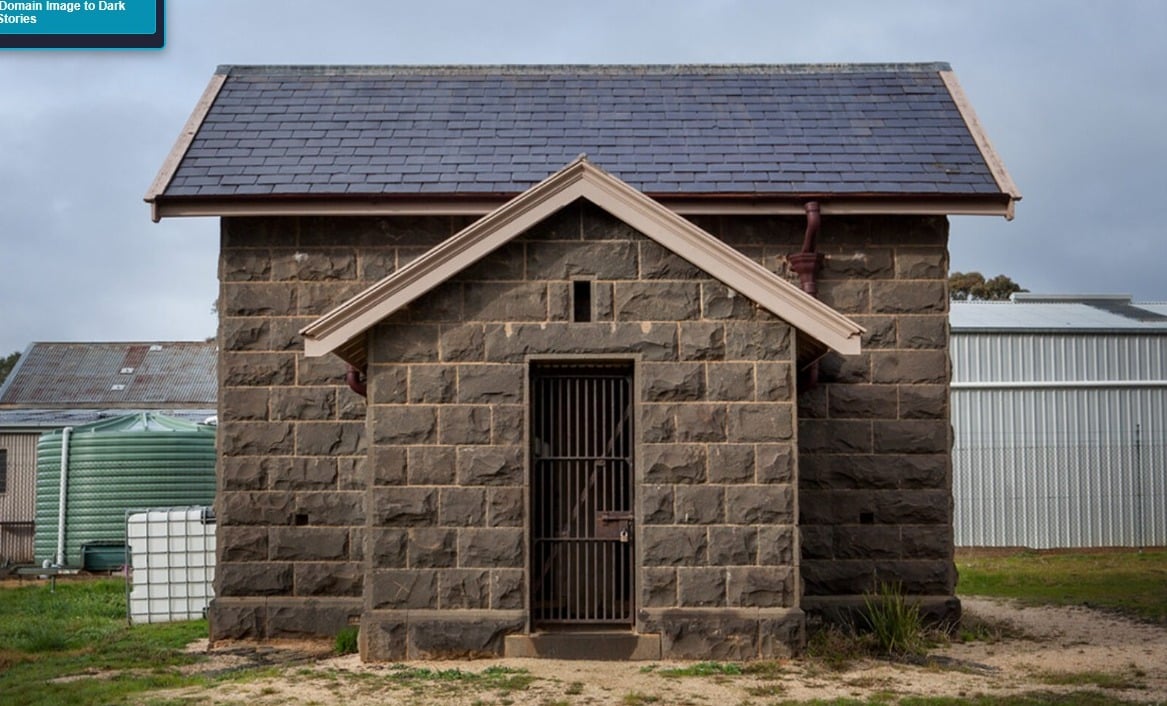

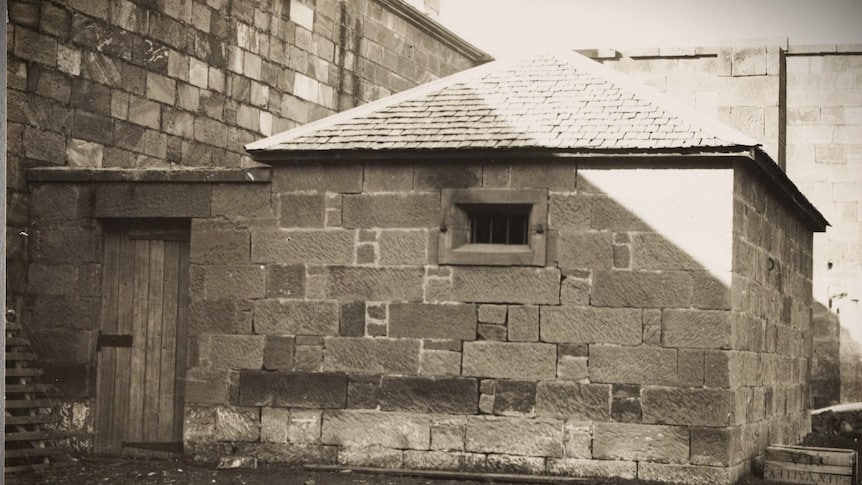
Avoca lockup
Avoca lockup

⬅ See all events from 5 August

Spread the word on your favourite platform!

Michael Casey, an Irish labourer working to clear land at Falmouth, Tasmania, attacked a fellow worker named John Hewitt with a stick and then kicked him in the head, leaving him unable to move. The following morning, Casey returned armed with a gun, stood over the stricken man, and said ‘you are not dead then’ before fleeing when a bystander appeared. A jury found him guilty of wounding with intent to kill, and he was sentenced to death.

While awaiting execution at Oatlands Gaol, Casey attempted suicide by sharpening an iron spoon and opening a vein in his arm, concealing the wound beneath a strip of old blanket. The act was discovered before he died, and he was nursed back to health only to face the gallows. On 5 August 1856, he was hanged in what was reported as the first private execution within the precincts of Oatlands Gaol.

Colonial era solitary cells uncovered beneath old pool at gaol

⬅ See all events from 5 August

Spread the word on your favourite platform!

Patrick Smith, a fisherman working the Yarra and Saltwater rivers, had subjected his wife Mary to years of brutal abuse at their home in Errol Street, Hotham (North Melbourne). Neighbours had witnessed repeated beatings and shocking cruelties; Mary herself had told those around her that she believed her husband would one day murder her. On 9 July 1870, after a day of drinking and quarrelling, a neighbour heard heavy blows, then silence, then Smith calling out ‘Mary, Mary, do get up.’ She was never seen alive again.

Smith was tried for the murder of his wife and convicted. He was hanged at Melbourne Gaol on 4 August 1870.

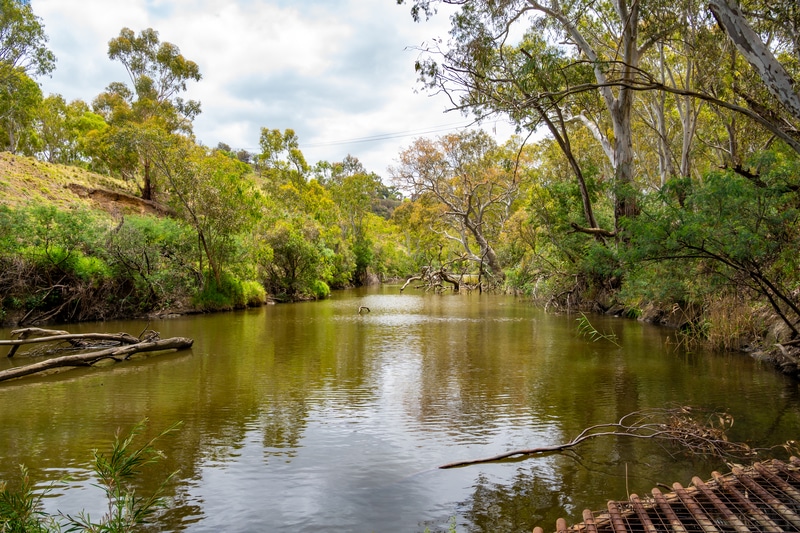
Maribyrnong River at Brimbank Park in Victoria, Australia

⬅ See all events from 4 August

Spread the word on your favourite platform!

On 4 August 1306, Bohemian King Wenceslas III was stabbed to death in Olomouc, cutting short the reign of a young ruler who had held the crowns of Hungary, Bohemia, and Poland. He was just 16 years old. His death extinguished the male line of the Premysl dynasty, a royal house that had shaped Central Europe since the ninth century.

With no male heir, the dynasty that had produced kings across three kingdoms collapsed in a single moment of violence. The Luxembourg clan seized Bohemia; the Piasts took Poland. The age of Premyslid rule was over.

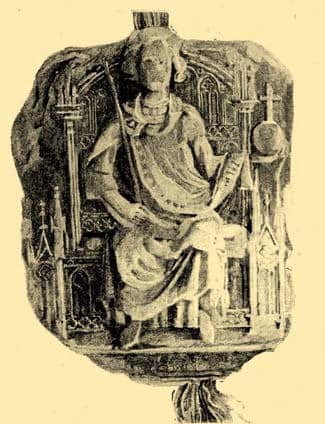
/
Wenceslas III

⬅ See all events from 4 August

Spread the word on your favourite platform!
On This Day in True Crime History

Subscribe to Dark Stories

True crime stories, dark history and tour news, straight to your inbox.