Archives: Dark Stories: On This Day In True Crime History - Page 7
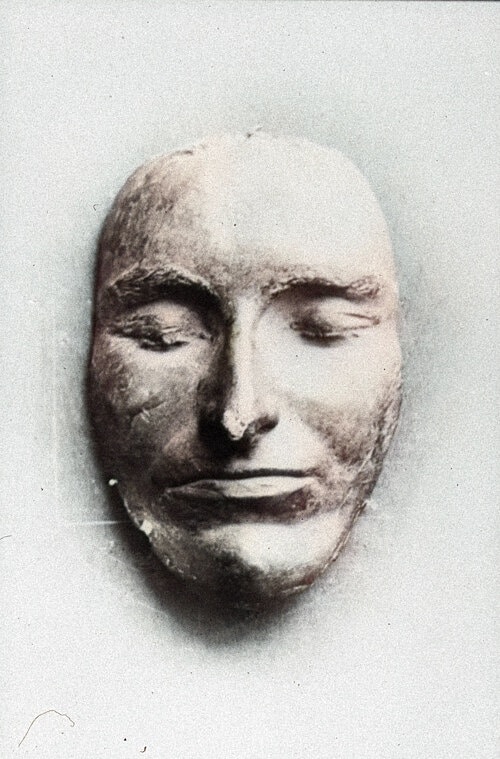
William Westwood was already notorious as Jackey Jackey, a bushranger transported twice and flogged repeatedly, when he helped lead the 1846 Cooking Pot Uprising on Norfolk Island, a desperate convict revolt sparked by brutal rations and treatment. In the chaos, three constables and an overseer were killed.
He was 26 when he was hanged on 13 October 1846, one of the largest mass executions in Australian penal history.
Death mask of William Westwood known as Jackey Jackey
John Caldwell was a former British soldier, court martialled at Bangalore in India for stealing his own equipment and sentenced to seven years transportation. He arrived in Western Australia aboard the General Godwin, landing at Fremantle in 1854, and was granted a ticket of leave the following year. His sentence finally expired in July 1860, a free man again after years of convict servitude.
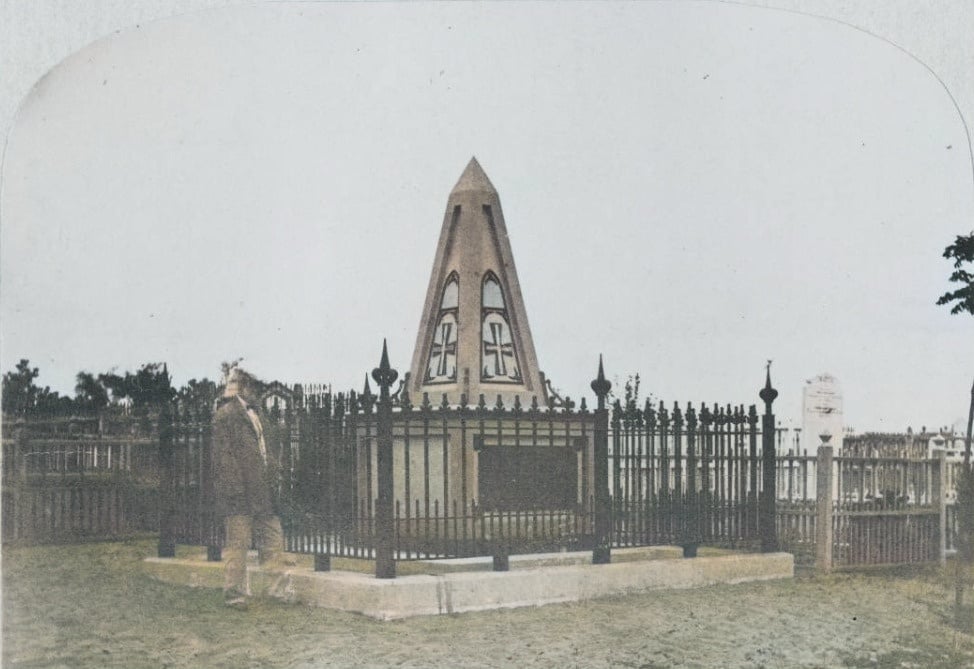
Within months he was convicted of assualt of a local person at Champion Bay. He was tried at the Supreme Court in Perth, sentenced to death, and hanged at the old Perth Gaol just nine days later on 13th Oct 1860, being buried at East Perth Cemetery.
Panter Tomb at East Perth Cemetery burial place of John Caldwell 1860
Two days after shooting cabdriver Paul Stine dead in San Francisco, the Zodiac Killer sent the San Francisco Chronicle a taunting letter dated October 13, 1969. Inside was a torn piece of Stine’s bloodstained shirt, offered as proof the killer was the same man terrorising the Bay Area, not a copycat.
The letter mocked police for failing to catch him despite patrols flooding the area that night, and promised more killings to come. It remains one of several pieces of physical evidence tied to an identity that, more than fifty years on, has never been conclusively proven.
The trouble began with cooking pots. When the commandant of the Norfolk Island penal settlement ordered all private kettles and saucepans confiscated in June 1846, tightening an already brutal regime, convicts erupted in fury the next morning. A mob armed with axes and wooden billets killed a convict constable at the lumber-yard gate, beat an overseer to death with a carving fork and billets, then struck down two more sleeping constables before soldiers finally restored order.
Fourteen men were tried months later before a military jury; twelve were convicted and hanged in two batches of six on the same morning in October 1846, their bodies buried outside consecrated ground in a spot still known as Murderers’ Mound. A thirteenth man was hanged six days after for the same overseer’s killing.
Before his execution, the ringleader declared that four of the twelve condemned men were innocent, insisting he had not even spoken to one of them on the morning of the riot and that the others had played no part in the killings, but it was to no avail.