Archives: Dark Stories: On This Day In True Crime History - Page 7
1901: Shot Eight Days Earlier: Theodore Roosevelt Sworn In After the Death of William McKinley
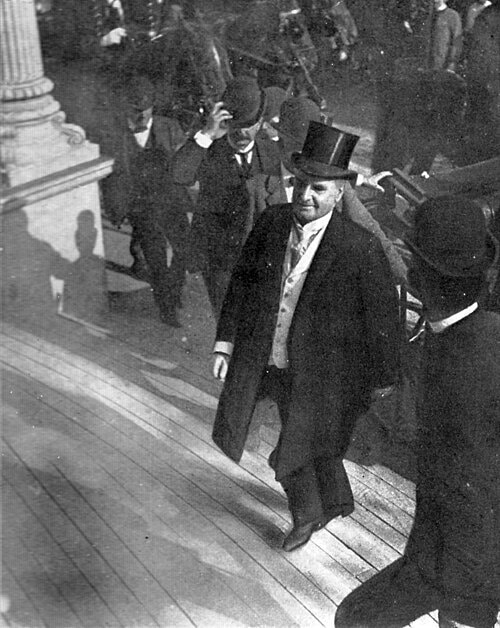
Theodore Roosevelt was sworn in as the 26th President of the United States on September 14, 1901, hours after President William McKinley died from gunshot wounds inflicted eight days earlier by anarchist Leon Czolgosz at the Pan-American Exposition in Buffalo, New York.
McKinley had been shaking hands with the public when Czolgosz approached with a concealed revolver wrapped in a handkerchief and fired twice at close range. Roosevelt, then just 42, became the youngest man to assume the presidency, taking the oath in a private Buffalo residence rather than the traditional halls of power in Washington.
1828: The Tunnel Under Sydney: Australia’s First Great Bank Robbery
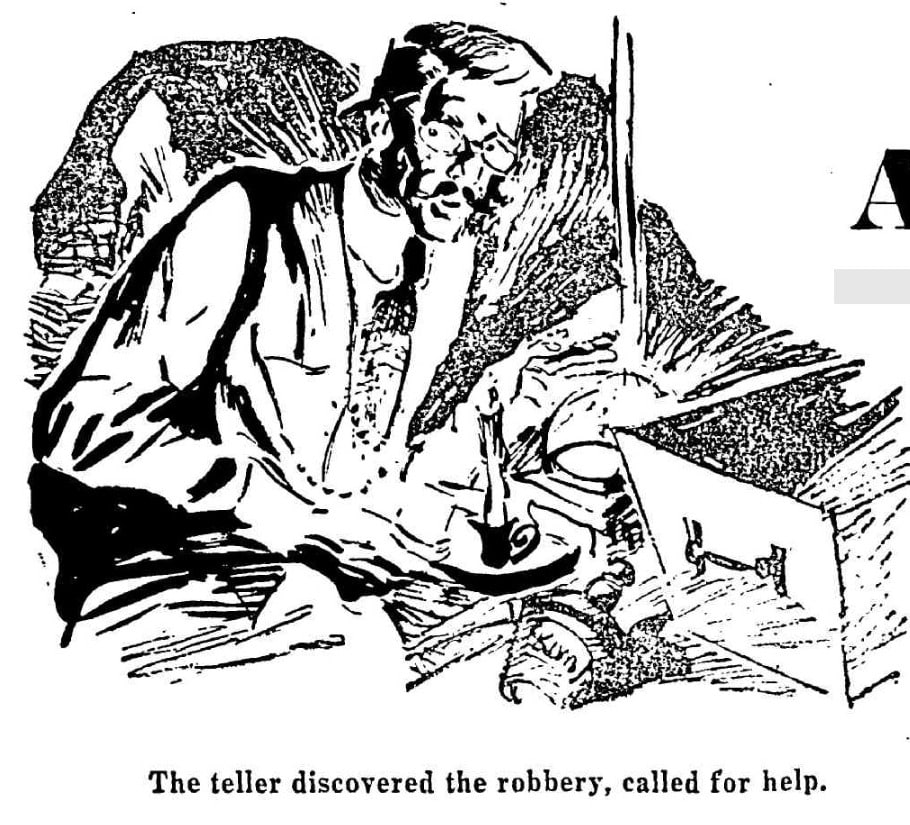
On the night of 14 September 1828, thieves broke into the Bank of Australia in Sydney. A teller arriving the next morning found the strongroom breached.
Thieves had tunnelled through a drain on the opposite side of the street, burrowed underground, and cut through a foundation wall between five and nine feet thick, work that would have taken at least three to four weeks to complete. They made off with 12,000 to 14,000 pounds in cash and property, a sum worth a small fortune today.
For two and a half years the robbers evaded capture, even as some of the stolen notes began surfacing in circulation and officials issued repeated warnings against using them. The case only broke when one of the gang was sentenced to 14 years on Norfolk Island for an unrelated highway robbery in 1829. Nearly a year into that sentence, he accepted the Governor’s offer of a pardon and confessed, naming his accomplices: one of whom had fled to Ireland, another who had since died, and three more who joined him on Norfolk Island.
Not all the stolen money was recovered. Rumour has long held that boxes of coins from the robbery remain buried near the water’s edge on Sydney’s North Shore.
1826: The Head Was Never Found: Three Men Hanged at Hobart for Murder
Alexander Simpson, a shopkeeper who lived and slept in two houses near Pittwater not far from Hobart, was last seen walking home at dusk. The next morning his body was found mutilated on rocks below the high-water mark, his head and much of his flesh removed and never recovered. A discoloured mark around his neck suggested he had been strangled with a cord before his body was carried to the water and cut apart, apparently to prevent identification. His shop had been completely rifled, yet the doors were found padlocked exactly as usual, suggesting the killers had taken his keys and relocked the premises after the robbery. Strangely, no footprints, blood or signs of a struggle were ever found.
Three neighbours who knew Simpson well, Thomas Dunnings, Edward Everitt and William Smith, stood trial for three days on largely circumstantial evidence, including stolen goods traced back to Simpson’s shop and their movements on the night of the killing. All three were convicted, sentenced to death on 2 September 1826 and hanged together at Hobart on 13 September 1826.
Each man gave a different account at the end. Dunnings insisted he had “had no hand in it”; Everitt admitted stealing goods from the house after Simpson’s death but denied any part in the murder; Smith maintained the evidence used to convict him was “entirely false.”
Vintage door secured with padlock and chain, lockdown security
1826: Escaped Convicts Turned Highway Robbers: Two Hanged After Fleeing Macquarie Harbour
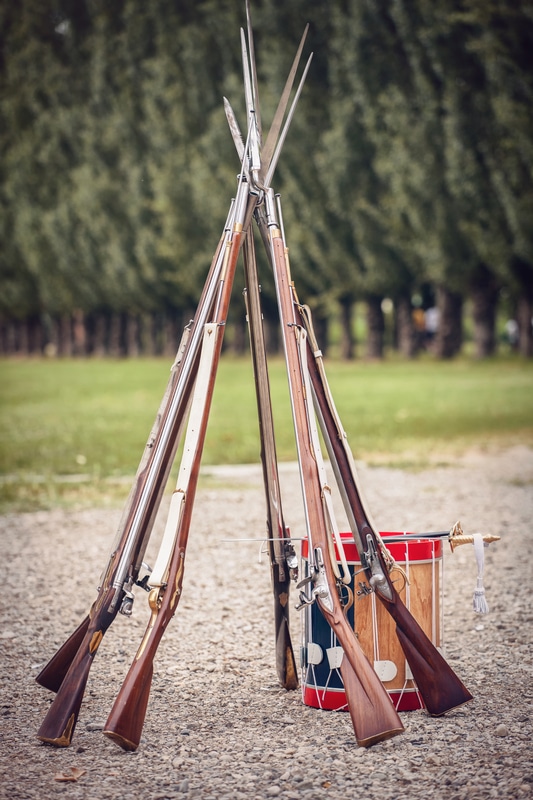
John Taylor and George Waters had absconded from the notorious penal settlement at Macquarie Harbour, Van Diemen’s Land’s infamous secondary punishment station for repeat offenders, before turning to highway robbery. Their crime involved robbing soldiers of their arms, a particularly bold offence that ultimately led to their conviction.
Both men were sentenced to death on 2 September 1826 and hanged together at Hobart just eleven days later, on 13 September 1826.
British Army drum and muskets historical military equipment