In the late hours of August 24, 1985, Richard Ramirez drove to Mission Viejo in Southern California, intending to break into the Romero family home. Thirteen-year-old James Romero III spotted him and recorded the car details, alerting police. Ramirez moved on to the nearby home of Bill Carns and Inez Erickson, shooting Carns three times in the head before assaulting Erickson. Remarkably, both victims survived.

The car details noted by James Romero III proved critical. Police traced the vehicle, leading directly to the identification and arrest of Ramirez, bringing the reign of one of California’s most feared serial killers to an end.


Hooded hooligan with obscured face walking city streets at night

⬅ See all events from 24 August

Spread the word on your favourite platform!

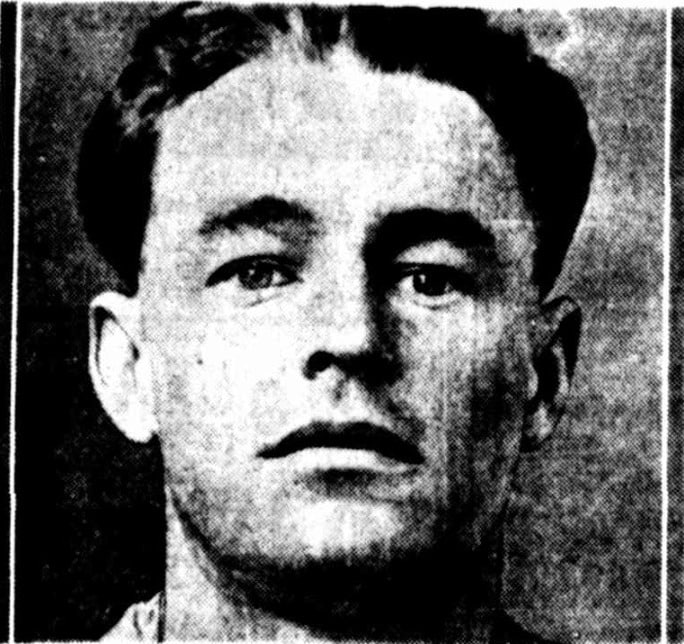
John Trevor Kelly, 24, was hanged at Long Bay Gaol near Botany Bay, Sydney, shortly after eight in the morning of 24 August 1939. He had been convicted of the axe murder of Marjorie Constance Sommerlad at Hillcrest farm near Tenterfield, where he had been working alongside her and her brother Eric. During the attack, Kelly also struck Eric Sommerlad with the same axe, though Eric survived. Appeals to the Court of Criminal Appeals and the High Court both failed.

Kelly became the last person judicially executed in New South Wales. His father, a well-known figure in Lismore and northern New South Wales, mounted a public appeal arguing that other killers had received commuted sentences, and that his son had no control of himself when drinking. Authorities refused to intervene.

John Trevor Kelly axe murderer.

⬅ See all events from 24 August

Spread the word on your favourite platform!

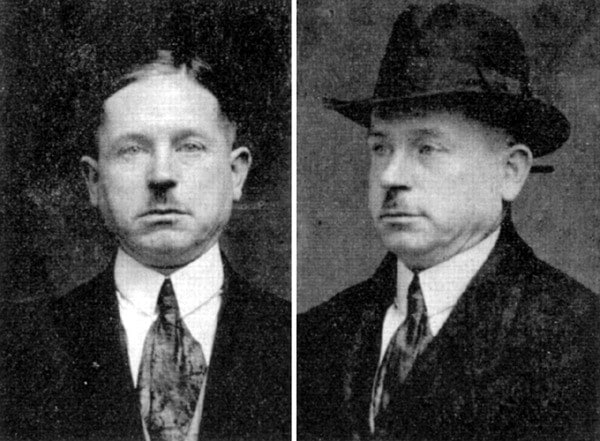
Peter Kurten, known as the Vampire of Dusseldorf, murdered two young foster sisters at a fairground on 23 August 1929, in one of a string of attacks that terrorised the city throughout that year. Born in Cologne in 1883, the eldest of 13 children, Kurten endured a childhood of brutal poverty and domestic terror, and had already demonstrated violent and sadistic tendencies from boyhood, including drowning two playmates on the Rhine at the age of nine.

His killing spree in 1929 left Dusseldorf gripped by fear. He was eventually arrested, tried, and convicted of nine murders, though police suspected him in as many as 68 attacks. His victims were overwhelmingly women and girls. He was executed by guillotine in July 1931. Shortly before his death, he asked the prison psychiatrist whether he would still be able to hear his own blood gushing from his neck after the blade fell. When told his brain might function for a few seconds, Kurten replied: ‘That would be the pleasure to end all pleasures.’

Peter Kürten police mugshot, 1931. Photographer unknown; Wikimedia Commons, CC BY-SA 3.0.

⬅ See all events from 23 August

Spread the word on your favourite platform!

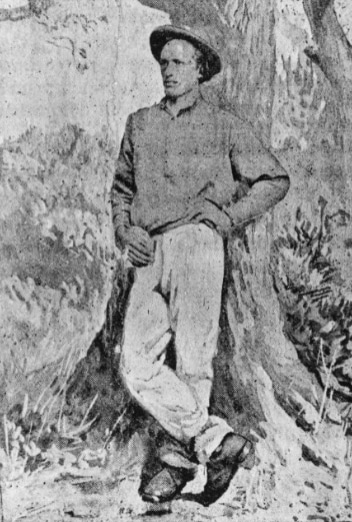
James Alpin Macpherson, known as the Wild Scotchman, was one of Queensland’s most notorious bushrangers before his capture and imprisonment. Released from prison in 1874, he lived out the remainder of his days quietly, working as a stockman and station overseer far from his outlaw past.

Macpherson died on 23 August 1895 at Burketown, Queensland, aged 53, after falling from a horse. The man who had once terrorised the bush met his end not in a blaze of gunfire, but in an ordinary accident on the land he had spent his later years working.

Portrait of bushranger James MacPherson 1866
Portrait of bushranger James MacPherson 1866: The Wild Scotchman

⬅ See all events from 23 August

Spread the word on your favourite platform!
On This Day in True Crime History

Subscribe to Dark Stories

True crime stories, dark history and tour news, straight to your inbox.