Just before one in the morning on September 10, 1897, a taxi driver named George Smith lost control of his cab on New Bond Street, swerving across the road and crashing, smashing a water pipe and a front window. No one was hurt, cars of the era topped out at about 8mph, but Smith admitted to police that he had been drinking, and that confession was enough to convict him in what is recognised as the world’s first drink-driving case.

He was fined 20 shillings. There was no specific drunk-driving law to charge him under; the conviction rested entirely on his own admission, since officers otherwise had only their own snap judgement of a driver’s sobriety to go on. It would be almost a decade before any jurisdiction, enacted a dedicated drunk-driving law, and more than half a century before the breathalyser existed to test drivers objectively.
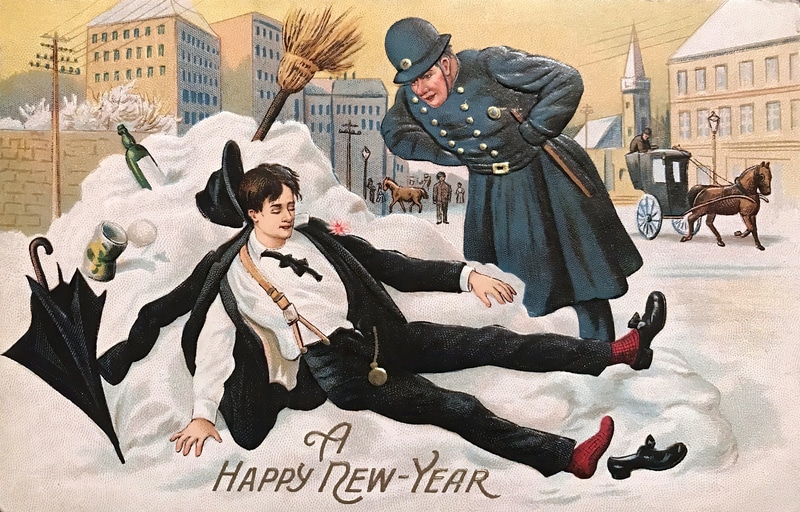

Humorous Vintage New Year Postcard: Policeman Discovers Man Asleep in Snow (circa 1900. A delightfully humorous and classic vintage postcard illustration from the early 20th century (circa 1900-1910s), perfectly capturing the aftermath of a lively New Year’s Eve celebration... The scene depicts a gentleman, dressed in a formal black suit with a white shirt, bow tie, and suspenders, comically sprawled out in a pristine snowdrift. His top hat is discarded nearby, his umbrella askew | ID 404164454 © Svetlana Gavrilyuk | Dreamstime.com
ID 404164454 © Svetlana Gavrilyuk | Dreamstime.com

⬅ See all events from 10 September

Spread the word on your favourite platform!

Samuel Peters killed his wife Trevenna in their home at Leederville, a suburb of Perth, on the night of 3 July 1902. A neighbour heard a scream and Peters’s voice between 2 and 3am, but it was not until half past nine the next morning that the couple’s children raised the alarm. Mrs Peters was found lying in a pool of blood in her bedroom, badly injured, with no weapon in sight; Peters himself was discovered fully dressed and asleep in an adjoining room.

When the arresting constable woke him and told him his wife had been murdered, Peters answered flatly, “Me done it, and I am satisfied.”

At his trial, witnesses described a marriage marked by constant quarrelling. Peters had accused his wife of carrying on affairs with two men, Adams and Nicholas, and was said to have taken to calling her Mrs Adams in front of neighbours. The jury found him guilty and he was sentenced to death, later hanged at Fremantle Prison.

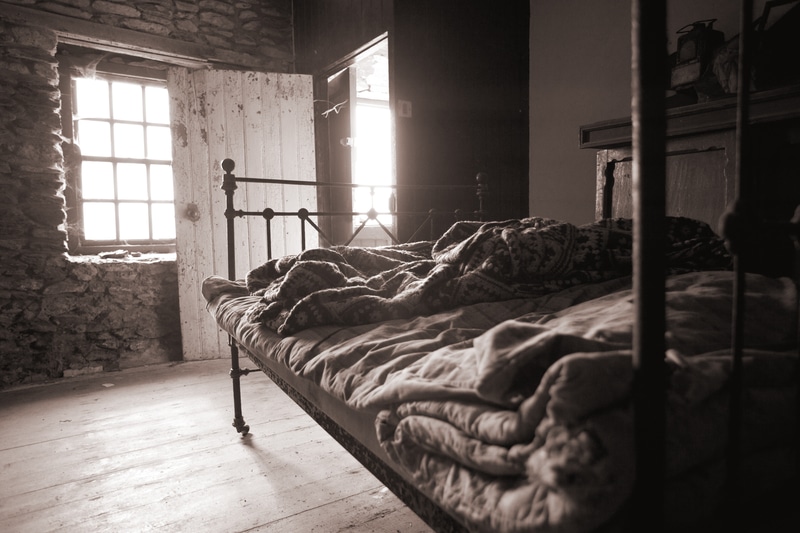
Old rustic bedroom with a metal-framed bed and rumpled blankets, sunlight streaming through an open door and a window in a stone-walled room.

⬅ See all events from 9 September

Spread the word on your favourite platform!

John Wayne Glover, 72, was found hanging from a shower rail in his cell at Lithgow prison in New South Wales. He had been serving life without parole for the murder of six elderly women on Sydney‘s North Shore between 1989 and 1990. The mayor of Mosman described his death as the end of a terrible era.

No evidence has ever surfaced that Glover killed before 1989, when he was 56 and had already been married for 20 years with children; his wife had no idea of the violence in his past. He only admitted to the murders once confronted with the police evidence against him.

Glover denied responsibility for other crimes in which he was a prime suspect. Years after his conviction, he admitted he never worried about who his victims were or why he killed them; he said he wanted to stop but could not, and simply returned to his normal life after each murder.

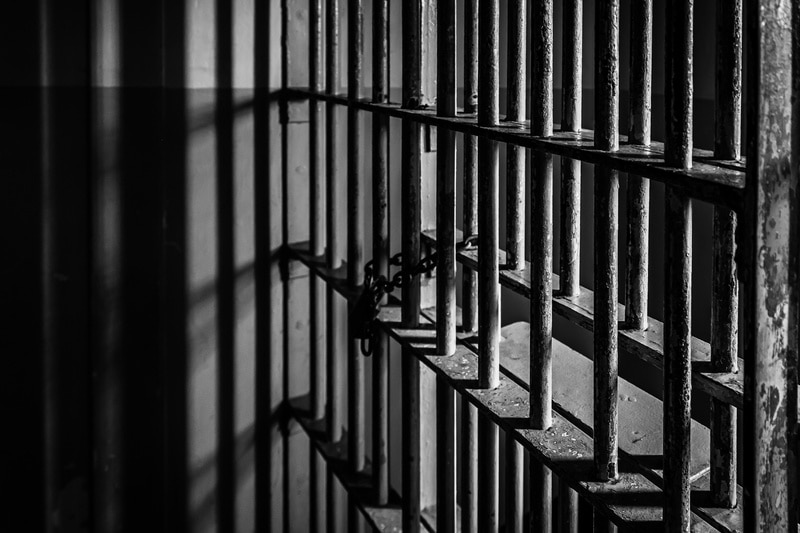
Prison Cell
Prison Cell

⬅ See all events from 9 September

Spread the word on your favourite platform!

On September 9, 1971, inmates at Attica Correctional Facility in New York seized control of the prison, taking dozens of guards and staff hostage in protest over brutal conditions, overcrowding, and demands for basic political and civil rights. For four days the prisoners held the yard, negotiating with officials and issuing a list of demands broadcast to the watching public.

On September 13, on the order of Governor Nelson Rockefeller, state troopers and police stormed the facility, opening fire on inmates and hostages alike. By the time the smoke cleared, 39 people were dead, including ten hostages, most killed not by prisoners but by the retaking force’s own gunfire.

The riot remains one of the deadliest prison uprisings in American history and exposed the brutal conditions inside Attica, triggering decades of lawsuits, investigations, and a landmark settlement for survivors and victims’ families.

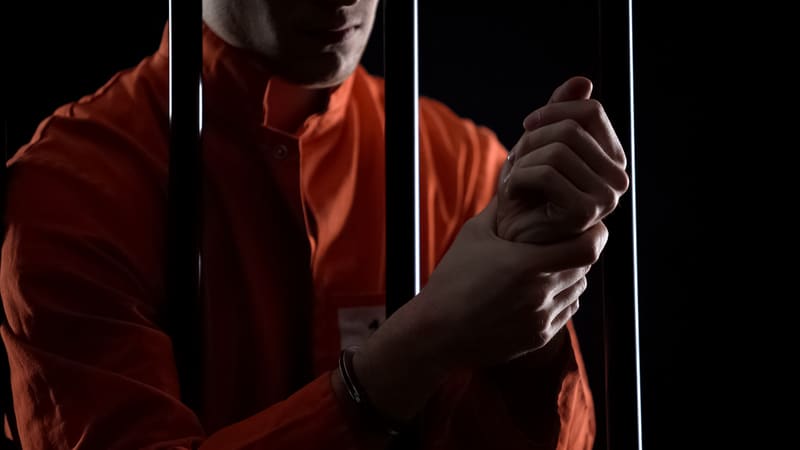
Prison Inmate
Prison Inmate

⬅ See all events from 9 September

Spread the word on your favourite platform!
On This Day in True Crime History

Subscribe to Dark Stories

True crime stories, dark history and tour news, straight to your inbox.