Archives: Dark Stories: On This Day In True Crime History - Page 51
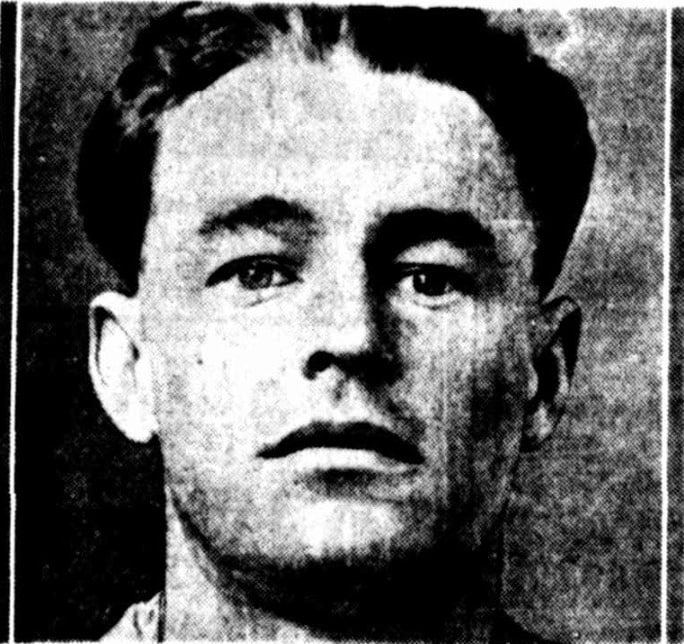
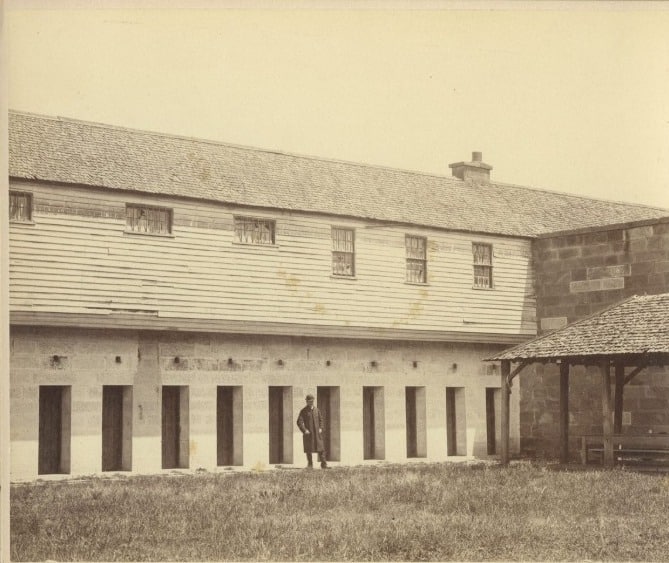
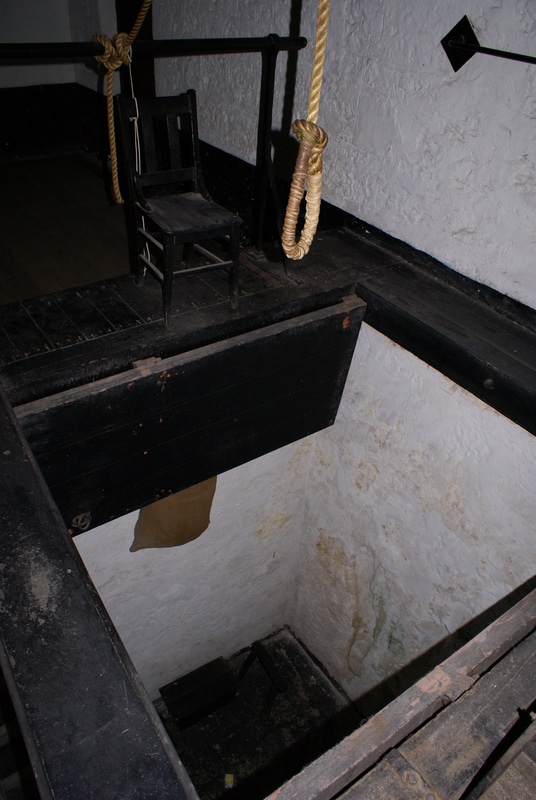
John Trevor “Jack” Kelly was found guilty of kidnapping on 23rd September 1937, and was sentenced to eighteen months’ imprisonment, with a recommendation that he undergo observation following concerns about lasting effects from a motor accident.
Released in November 1938, Kelly committed murder less than three months later. He stood trial before the same judge who had sentenced him for kidnapping, but this time he was sentenced to death, becoming the last prisoner executed in New South Wales.
On 22 September 1976, 36-year-old William Robert Wilson opened fire on Boundary Street in Spring Hill, a suburb of Brisbane. Armed with a .22-calibre rifle and 500 rounds of ammunition, he killed two teenage girls and wounded four other people. He had reportedly been upset after being rejected for membership by a model plane club.
Wilson then fled to a house in nearby Kelvin Grove and took five student teachers hostage. After around two hours of negotiations, one hostage escaped by pretending she needed the bathroom. Police stormed the house around 4pm, exchanging gunfire with Wilson before overpowering him and freeing the remaining captives.
Wilson spent three years in Hospital before being considered fit to plead. On 23 June 1980, he pleaded guilty to two murders and four attempted murders, receiving two life sentences and concurrent ten-year prison terms.
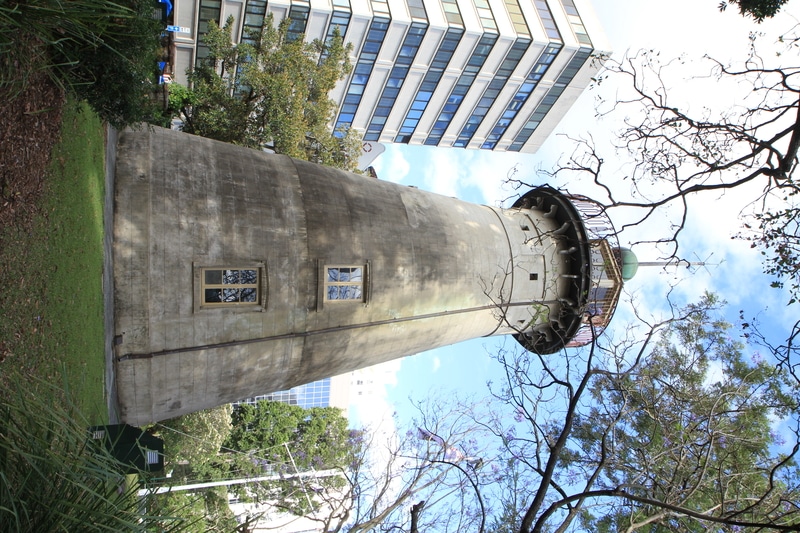
Old Windmill Brisbane, built by convicts at Moreton Bay penal settlement
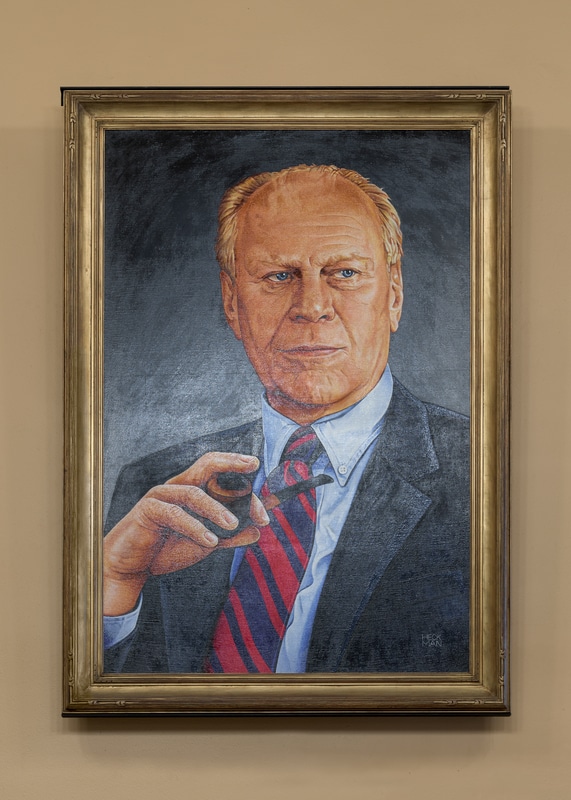
Just seventeen days after Lynette Fromme aimed a pistol at Gerald Ford in Sacramento, a second attempt on the president’s life unfolded outside a hotel in San Francisco on September 22, 1975. Sarah Jane Moore, a 45-year-old activist and FBI informant, fired a single shot from a .38 revolver at Ford as he left the St. Francis Hotel, missing him by only a few feet.
The shot went wide largely because of a bystander, former Marine Oliver Sipple, who was standing nearby and grabbed Moore’s arm as she fired, deflecting her aim. Moore was wrestled to the ground and arrested at the scene.
She pleaded guilty to attempted assassination of a president and was sentenced to life in prison. Moore later expressed regret over the attempt, and she was eventually paroled in 2007 after more than three decades behind bars.
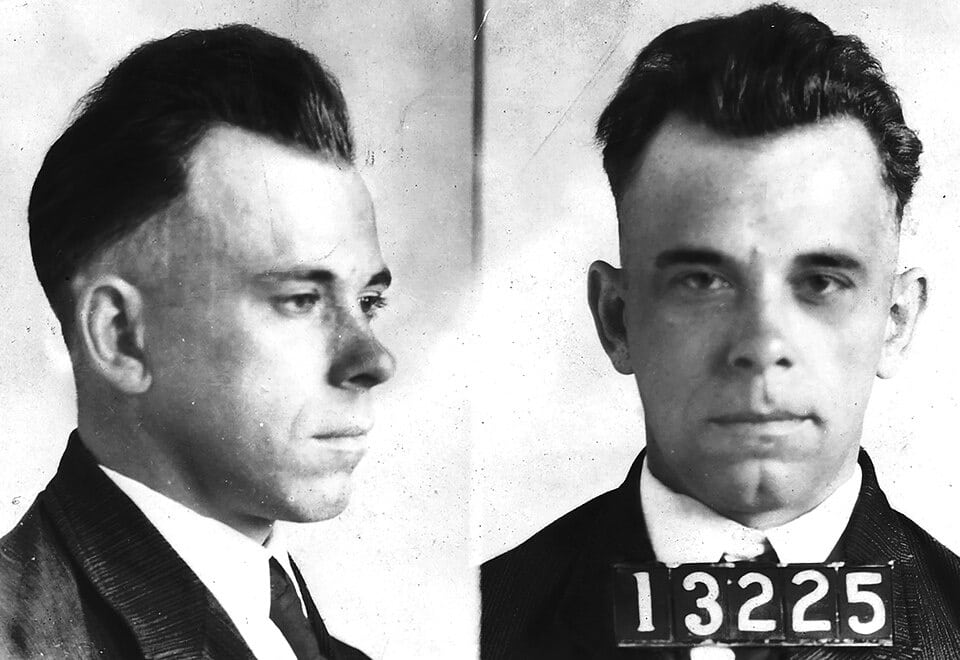
On September 22, 1933, ten prisoners broke out of the Indiana State Prison at Michigan City in a violent escape that killed two guards. The breakout was planned from inside by seasoned bank robber Harry Pierpont, with handguns smuggled to the crew by John Dillinger, freshly paroled after nine years behind bars, using arrangements made by Pierpont’s girlfriend.
In a strange twist, Dillinger himself was not among the men who walked free that day. Just days earlier he had been arrested and jailed in Dayton, Ohio, meaning his former cellmates had to turn around and break him out shortly after springing themselves. The escapees would go on to form the core of the notorious Dillinger gang, launching a violent crime spree across the American Midwest.
A Government agent later wrote that Dillinger’s career “graphically illustrates the inadequacies of our system,” noting that nine years in prison had done nothing to rehabilitate a man determined to become a professional bank robber.