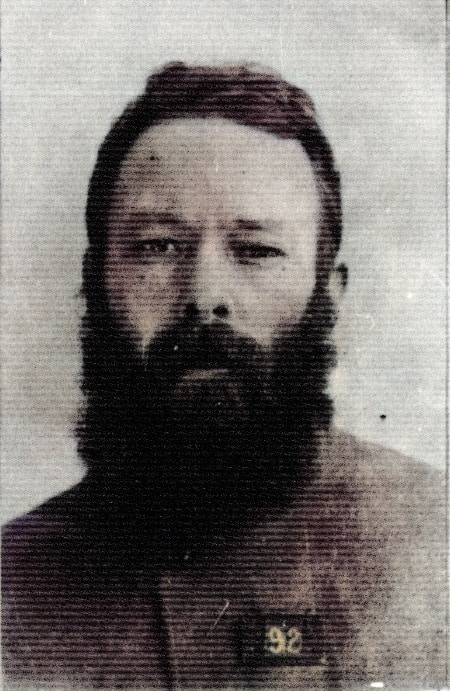
Richard Copping was jealous that his sweetheart, Susannah Stacey, had grown tired of him. On 12 May 1878 he followed her into her parents’ home near Sorell, in Tasmania’s south, and split her skull with an axe as she tried to shut a door against him. When her father ran out and accused him, Copping only clapped his hands and said, “Yes, I know I have,” before declaring, “She deceived me, and I’ll be hung for her like a man.”

He then tried to shoot himself, loading a gun with nails after finding no shot, and botched even that, surviving with a shattered jaw. His lawyer argued he was suffering from a diseased brain, but the jury convicted him, and he was hanged at Hobart’s Campbell Street Gaol on 20 October 1878, sobbing and unnerved on the gallows.

Copping never denied the killing, having confessed within minutes of the attack, and he reportedly left written confessions in the sheriff’s keeping before he died.
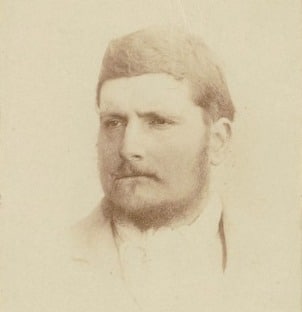

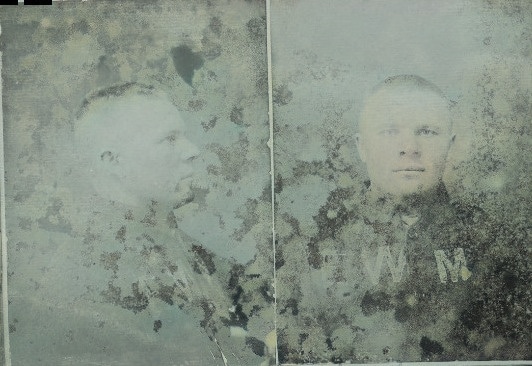
Portrait of prisoner Richard Copping Hobart Gaol 1878

⬅ See all events from 20 October

Spread the word on your favourite platform!

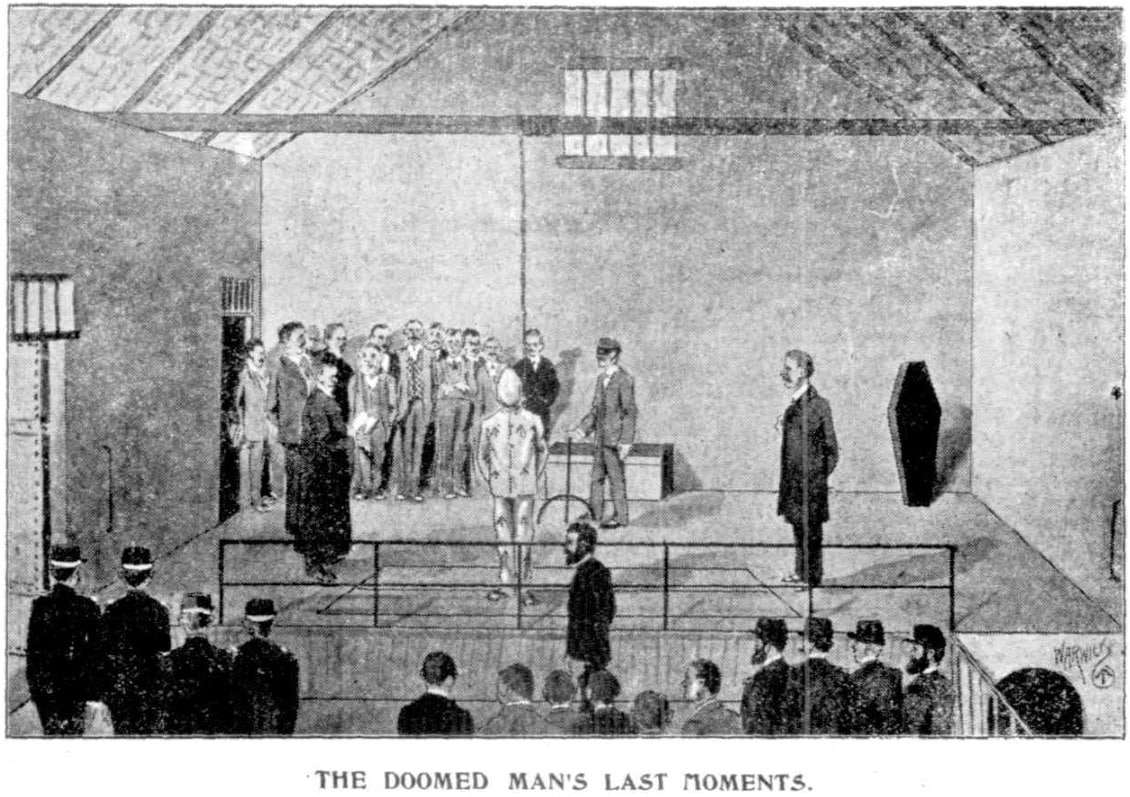
August Tisler worked for market gardener Edward Sangal, and became his employer’s wife’s lover long before Sangal’s body was pulled from the family well outside Melbourne, his throat cut. Tisler’s written confession described how the wife lifted a blind to show him a lit window, the signal that it was safe to come in and kill her husband, and how she then calmly staged the death as a suicide, leaving his slippers by the well so police would believe he had drowned himself.

At trial, Tisler repeated that confession almost word for word, while Selina Sangal denied any part in the plan, insisting she had been paralysed with fear as she heard her husband call her name during the struggle. A jury convicted them both and sentenced them to death, but Selina’s execution was deferred because she was close to giving birth. Tisler alone was hanged at Melbourne Gaol on this day in 1902, the drop breaking his neck instantly.

He showed remorse for the killing itself, telling the sheriff on the scaffold, “Whatever I have done in this world I am prepared to suffer for now.”

August Tisler: Public Record Office Victoria (PROV), Central Register for Male Prisoners, 29937–30336 (1902–1903), VPRS 515/P0000.

⬅ See all events from 20 October

Spread the word on your favourite platform!

Owen McQueeny was a wandering Irish robber with one sightless eye who spent weeks haunting the proprietress of the Green Tent, a grocery and tavern serving gold diggers on a track near Geelong, Victoria. Elizabeth Lowe, a young widow raising two small children alone, had already told a passing carrier she feared the man and his talk of pistols. That July in 1858, McQueeny shot her dead and vanished with her jewellery.

Travellers soon reported a dead-eyed swagman heading for Geelong loaded with the dead woman’s distinctive earrings, and police closed in fast. Awaiting trial, McQueeny was caught hiding the earrings by swallowing them, retrieving them from the gaol’s waste tub and passing them to a departing cellmate to smuggle out for safekeeping. He was convicted of her murder and hanged at Geelong on 20 October 1858, freely confessing to a string of other robberies while insisting to the last that he had not killed her.

As the death warrant was read to him he only shrugged, “Well, I suppose it can’t be helped,” convinced to the very end that public dislike of hanging would see him reprieved.

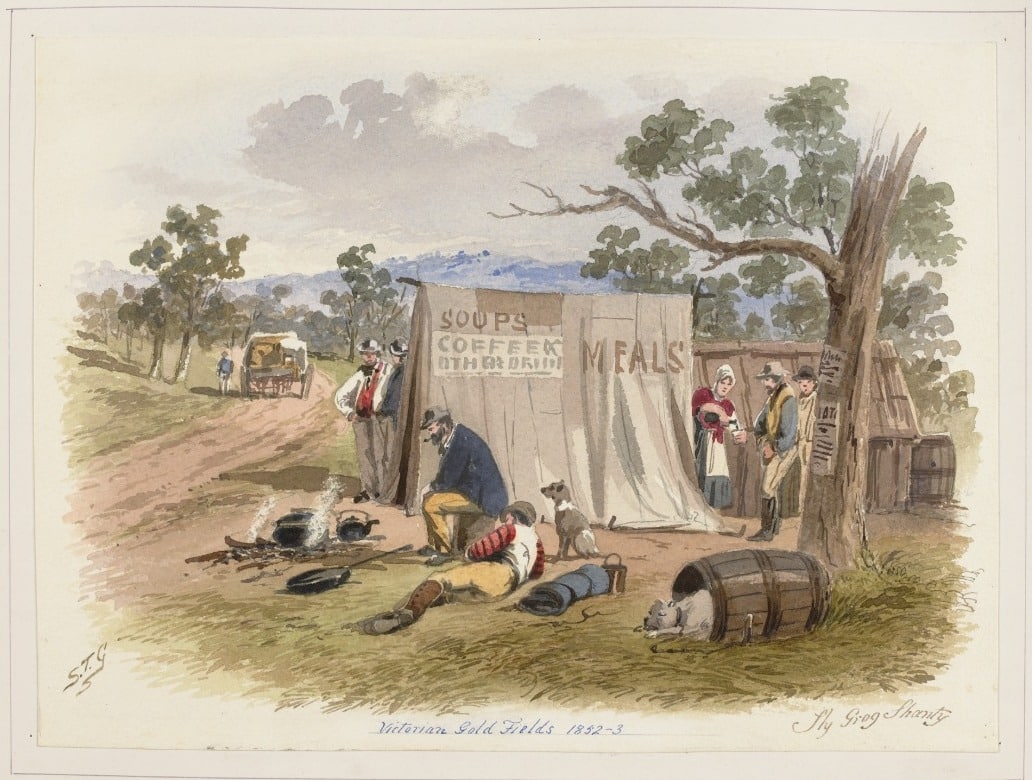
Sly grog shanty on Victorian goldfields tavern scene

⬅ See all events from 20 October

Spread the word on your favourite platform!

Alice Prestwich was just another house call for a family doctor trusted by an entire community. Harold Shipman gave the 69-year-old widow a lethal injection of morphine at her home in Hyde, Greater Manchester, on 20 October 1988, the same quiet routine he had already used on dozens of elderly patients before her. She became his 55th confirmed victim, and not one soul suspected a thing.

Shipman kept practising, and killing, for another ten years, forging wills and helping himself to his victims’ assets along the way, before a suspicious bequest finally exposed him in 1998. An official inquiry later concluded he had killed at least 215 patients, making him the most prolific serial killer in British history.

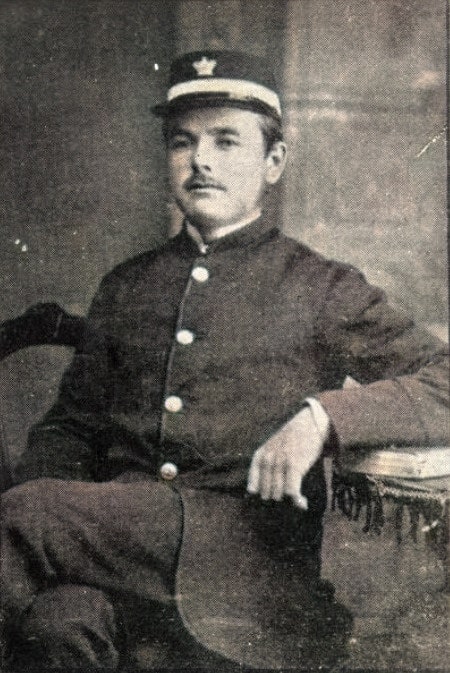
Dr Death - Harold Shipman
Dr Death – Harold Shipman

⬅ See all events from 20 October

Spread the word on your favourite platform!
On This Day in True Crime History

Subscribe to Dark Stories

True crime stories, dark history and tour news, straight to your inbox.