On 22 September 1976, 36-year-old William Robert Wilson opened fire on Boundary Street in Spring Hill, a suburb of Brisbane. Armed with a .22-calibre rifle and 500 rounds of ammunition, he killed two teenage girls and wounded four other people. He had reportedly been upset after being rejected for membership by a model plane club.

Wilson then fled to a house in nearby Kelvin Grove and took five student teachers hostage. After around two hours of negotiations, one hostage escaped by pretending she needed the bathroom. Police stormed the house around 4pm, exchanging gunfire with Wilson before overpowering him and freeing the remaining captives.

Wilson spent three years in Hospital before being considered fit to plead. On 23 June 1980, he pleaded guilty to two murders and four attempted murders, receiving two life sentences and concurrent ten-year prison terms.
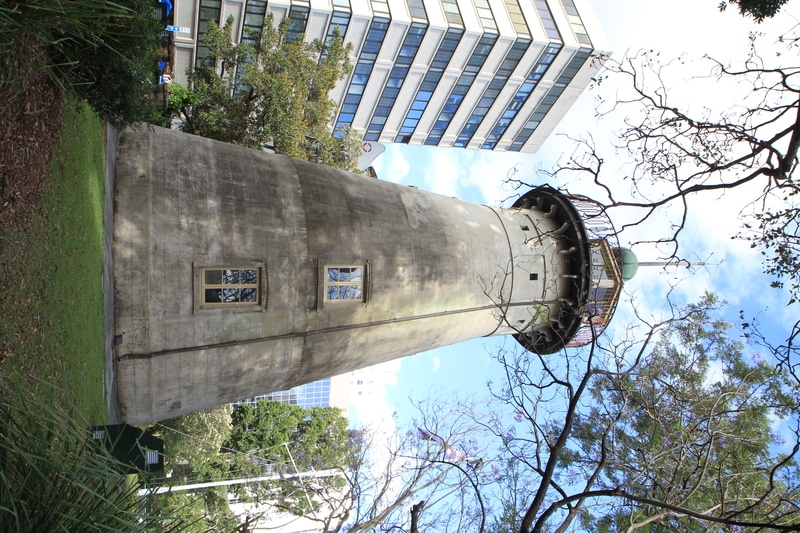

Old Windmill Brisbane, built by convicts at Moreton Bay penal settlement

⬅ See all events from 22 September

Spread the word on your favourite platform!

Just seventeen days after Lynette Fromme aimed a pistol at Gerald Ford in Sacramento, a second attempt on the president’s life unfolded outside a hotel in San Francisco on September 22, 1975. Sarah Jane Moore, a 45-year-old activist and FBI informant, fired a single shot from a .38 revolver at Ford as he left the St. Francis Hotel, missing him by only a few feet.

The shot went wide largely because of a bystander, former Marine Oliver Sipple, who was standing nearby and grabbed Moore’s arm as she fired, deflecting her aim. Moore was wrestled to the ground and arrested at the scene.

She pleaded guilty to attempted assassination of a president and was sentenced to life in prison. Moore later expressed regret over the attempt, and she was eventually paroled in 2007 after more than three decades behind bars.

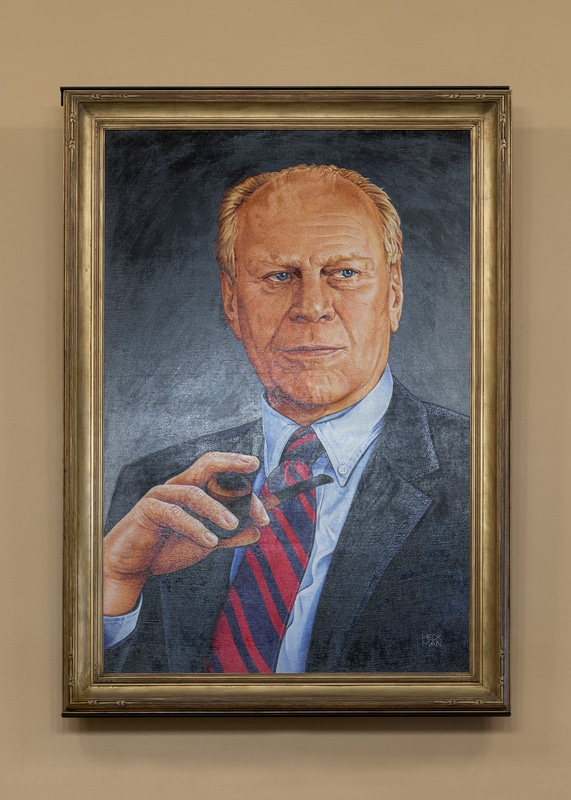
Gerald Ford portrait in the Michigan State Capitol at 100 N Capitol Avenue in Lansing, Michigan | ID 103716497 © Glenn Nagel | Dreamstime.com
ID 103716497 © Glenn Nagel | Dreamstime.com

⬅ See all events from 22 September

Spread the word on your favourite platform!

On 10 July 1985, agents of the French secret service DGSE attached two bombs to the hull of the Greenpeace flagship Rainbow Warrior as it lay moored in Auckland Harbour, sinking the vessel and killing Portuguese photographer Fernando Pereira, who drowned trying to retrieve his camera equipment. The ship had been preparing to lead a protest flotilla against French nuclear testing in the Pacific.

Two French agents, Alain Mafart and Dominique Prieur, were arrested in New Zealand travelling under false Swiss identities and later pleaded guilty to manslaughter, drawing widespread attention to the operation’s codename, Operation Satanique.

For weeks the French government denied any involvement, until on 22 September 1985 Prime Minister Laurent Fabius publicly admitted that French secret service agents had sunk the ship acting on orders, an extraordinary confession of state-directed sabotage carried out against an allied nation.

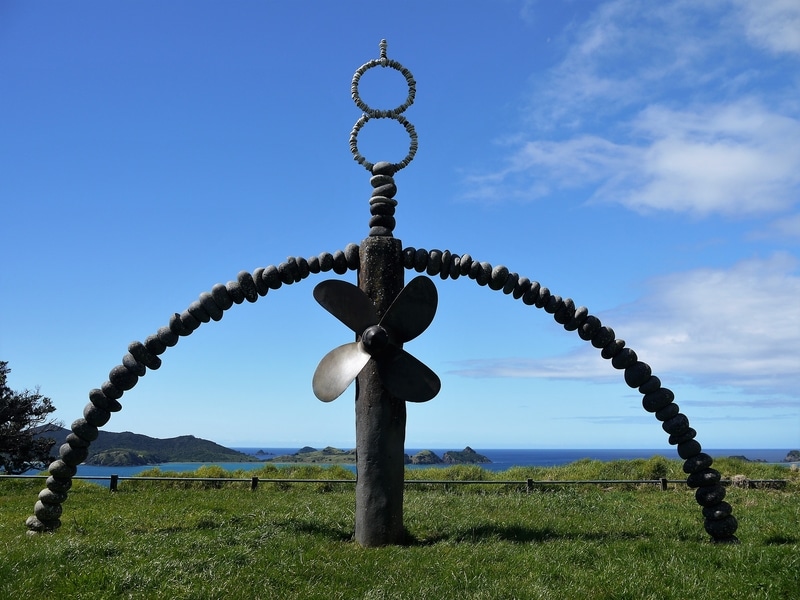
New Zealand: Matauri Bay Rainbow Warrior memorial. Matauri Bay, Northland, memorial to Rainbow Warrior sculpted by Chris Booth | ID 101374786 © Jill Shepherd | Dreamstime.com
ID 101374786 © Jill Shepherd | Dreamstime.com

⬅ See all events from 22 September

Spread the word on your favourite platform!

Angelo Buono Jr., one half of the killing partnership known as the Hillside Stranglers, died of a heart attack at age 67 while serving a life sentence without parole at Calipatria State Prison in California. He had been convicted of nine murders committed with his cousin Kenneth Bianchi in Los Angeles between 1977 and 1978, victims who were kidnapped, tortured and strangled before their bodies were dumped on hillsides around the city.

Buono ran an upholstery shop that served as a base for the pair, luring young women into his van before the killings. Bianchi, who was arrested first in Washington State, struck a deal and testified against Buono in exchange for avoiding the death penalty, a betrayal that helped seal his cousin’s conviction after one of the longest and most expensive criminal trials in California history.

Buono spent the rest of his life in prison showing no remorse for the killings, dying quietly behind bars rather than facing execution.

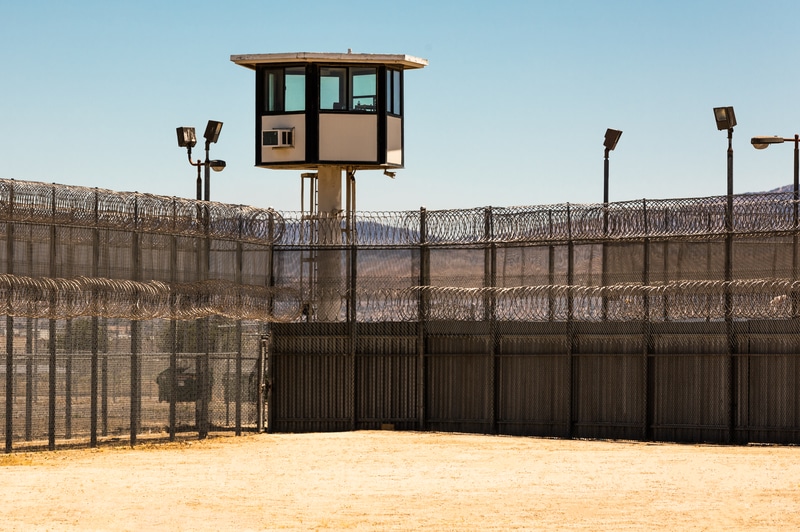
Empty desert prison yard with guard tower in background

⬅ See all events from 21 September

Spread the word on your favourite platform!
On This Day in True Crime History
1855·The Wife Who Forged a Will and Bought a Murderer: Bridget Hurford Hanged at Perth
1855·Hanged at Perth, William Dodd Spent His Final Words Blaming an Innocent Man
1855·"I Am Sorry I Did Not Kill Him": a Convict Hanged at Perth for a Shovel Attack on a Warder
1883·A Father Who Watched Him Hang: James Gardiner Executed at Brisbane for Killing German Ada
1953·Caroline Grills Laughed During Her Own Trial for Poisoning
More Crime On This Day →

Subscribe to Dark Stories

True crime stories, dark history and tour news, straight to your inbox.