Nicholas Baxter had been night watchman at the biscuit factory next to Mary Macnamara’s home in Sydney for six and a half years, and the elderly widow trusted him completely. By his own account he knew where she kept her money, had fetched change for her dozens of times, and could have taken it without her ever knowing. He never did, not until he resigned from the job in June 1907 and returned a month later.

On the morning of 8 July 1907 Macnamara was found bludgeoned in her ransacked bedroom. Police found Baxter that same day wandering in circles near Strathfield, drunk, wearing a hat taken from her hall stand and carrying her jewellery. When he tried to bolt after being re-arrested, he gave up with the words, “It’s all up, you’ve got me now.”

At trial his defence was that years of overwork as a night watchman, ninety-hour weeks with no night off, had left him unfit to know right from wrong. The jury was not persuaded, and Baxter was hanged in Sydney on this day in 1907.

He had earlier confessed to police, “I don’t know what possessed me to do it. I must have been mad. I didn’t intend to hurt the poor old body, but she would not keep quiet.”
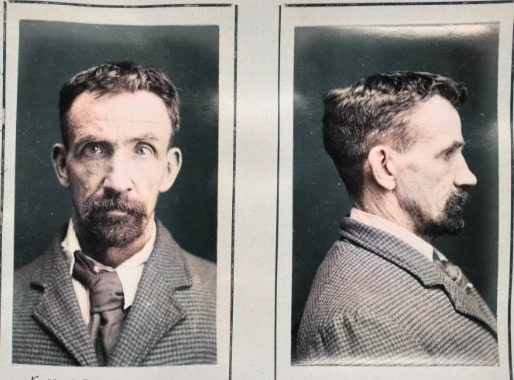

Nicholas Baxter gaol inmate photo index Darlinghurst Gaol 1907 Colorised: State Archives NSW Collection Record INDEX2056662.

⬅ See all events from 29 October

Spread the word on your favourite platform!

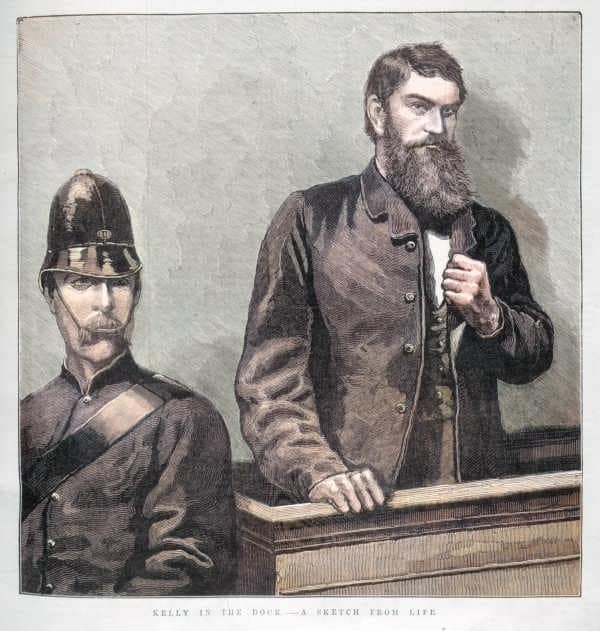
Ned Kelly, the leader of the Kelly Gang, had spent years outrunning the law across the Victorian bush, his armour and audacity turning him into both outlaw and folk hero. That ended after the siege at Glenrowan, where he was captured wounded and alone while the rest of his gang died in the shootout or the fire that followed.

He was tried in Melbourne for the murder of a police constable, and on this day in 1880 he was sentenced to death. Within weeks the man who had defied colonial police for years would be hanged, his legend only growing in the telling long after the rope did its work.

Ned Kelly in the dock courtroom illustration: colorised.

⬅ See all events from 29 October

Spread the word on your favourite platform!

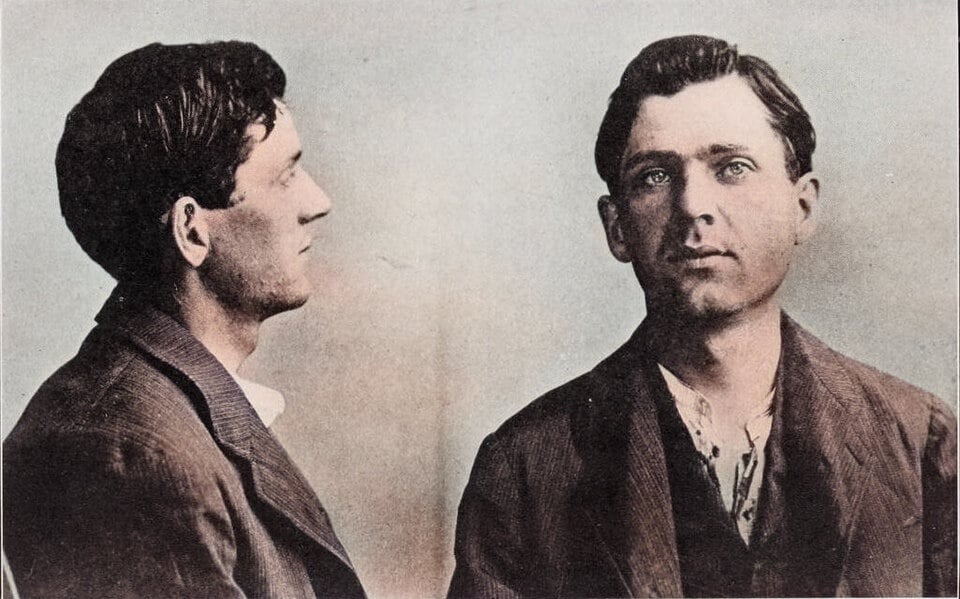
Leon Czolgosz, an anarchist, shot President William McKinley at point-blank range during a public reception at the Temple of Music in Buffalo, New York, on 6 September 1901. McKinley initially seemed to be recovering from his wounds, giving doctors and the public hope, but he died eight days later.

Czolgosz was swiftly tried and convicted of the killing. He was electrocuted on this day in 1901, one of the clearest and most public reckonings in the history of presidential assassinations in the United States.

Leon Czolgosz mug shot portrait: 1901

⬅ See all events from 29 October

Spread the word on your favourite platform!

John Lloyd, a ticket-of-leave convict working near Geraldton, shot his own labourer John Brown with intent to kill at Port Gregory in June 1857. Brown was himself a former convict, but only months earlier he had been granted a conditional pardon for manslaughter, finally free after years under sentence, before his own employer put a bullet in him.

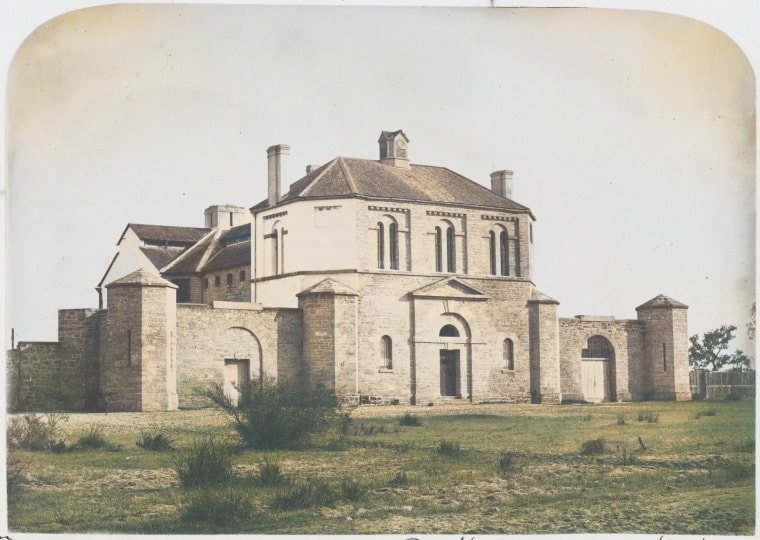
Lloyd was tried and convicted that October, and hanged at Perth Gaol on this day in 1857. It was not his first brush with the gallows’ shadow: a decade earlier he had been transported for life from Wales for highway robbery, and had already served years in the colony before the shooting that finally ended his.

Old Perth Gaol circa 1862

⬅ See all events from 29 October

Spread the word on your favourite platform!
On This Day in True Crime History

Subscribe to Dark Stories

True crime stories, dark history and tour news, straight to your inbox.