1754: Born to Mutiny Twice: Captain William Bligh, Survivor of the Bounty and the Rum Rebellion in Sydney

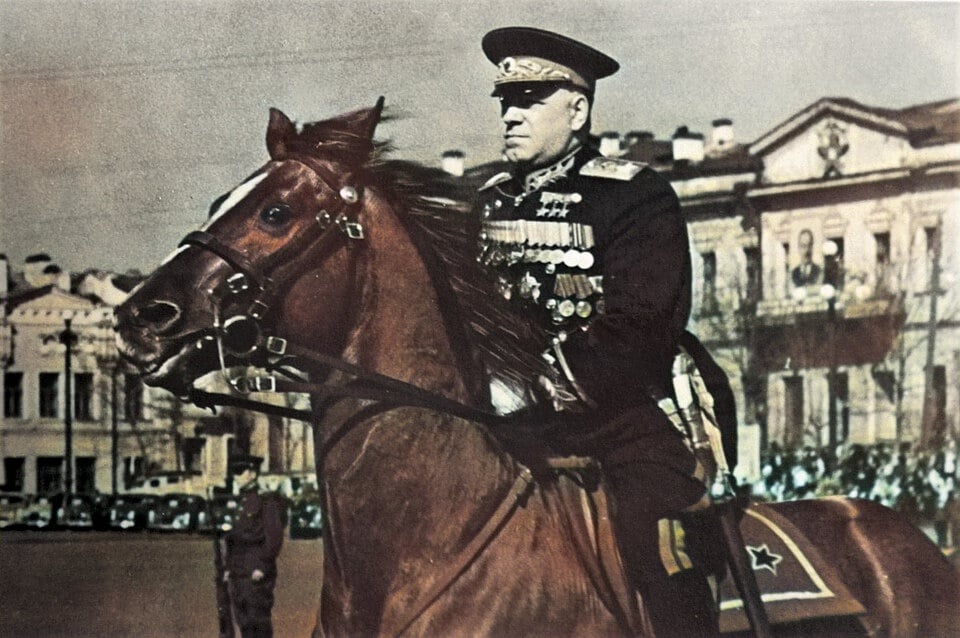
Born on 9 September 1754, William Bligh rose to Vice-Admiral of the Blue and served as Governor of New South Wales from 1806 to 1808, but he is remembered above all for surviving not one but two uprisings against his command.

The first came on 28 April 1789 aboard HMAV Bounty, when Master’s Mate Fletcher Christian led a mutiny in the South Pacific. Bligh and 18 loyal crew were cast adrift in a 23-foot open launch so overloaded its gunwales sat only inches above the water, given four cutlasses and barely a week’s food, with a compass and quadrant but no charts. The ship’s clerk, Samuel, defied threats from the mutineers to smuggle aboard vital navigation instruments, while the gunner’s own pocket watch became the only means of keeping time. Fleeing hostile islanders at Tofua, the party lost quartermaster John Norton, killed on the beach, before Bligh navigated the tiny boat some 3,618 nautical miles to safety at Timor.

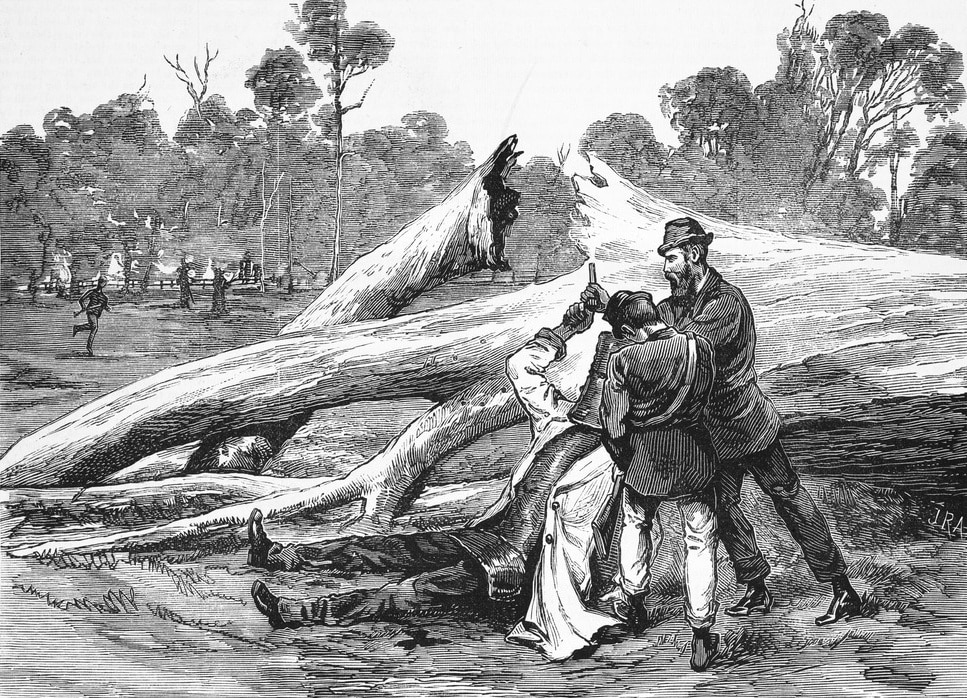
Nearly two decades later, as governor of Sydney, Bligh faced a second rebellion when officers of the NSW Corps deposed him in the colony’s Rum Rebellion, a rare case of a British officer surviving both a shipboard mutiny and a colonial military coup.

Sydney Rum Rebellion Arrest of Governor Bligh historical illustration

⬅ See all events from 9 September

Spread the word on your favourite platform!
True Crime Scene Tape

1971: Four Days of Rebellion: the Attica Prison Riot Leaves 39 Dead

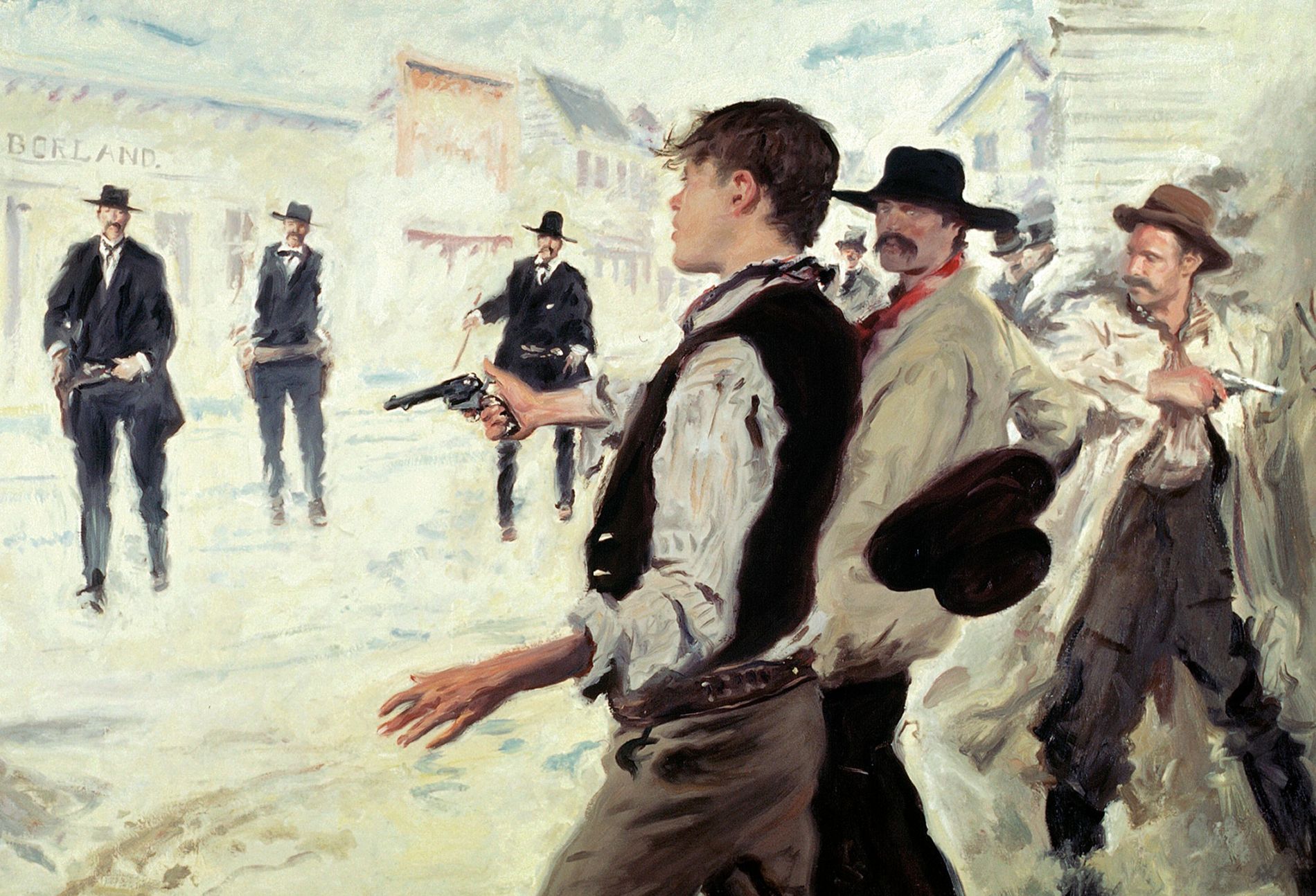
On September 9, 1971, inmates at Attica Correctional Facility in New York seized control of the prison, taking dozens of guards and staff hostage in protest over brutal conditions, overcrowding, and demands for basic political and civil rights. For four days the prisoners held the yard, negotiating with officials and issuing a list of demands broadcast to the watching public.

On September 13, on the order of Governor Nelson Rockefeller, state troopers and police stormed the facility, opening fire on inmates and hostages alike. By the time the smoke cleared, 39 people were dead, including ten hostages, most killed not by prisoners but by the retaking force’s own gunfire.

The riot remains one of the deadliest prison uprisings in American history and exposed the brutal conditions inside Attica, triggering decades of lawsuits, investigations, and a landmark settlement for survivors and victims’ families.

Prison Inmate
Prison Inmate

⬅ See all events from 9 September

Spread the word on your favourite platform!
True Crime Scene Tape

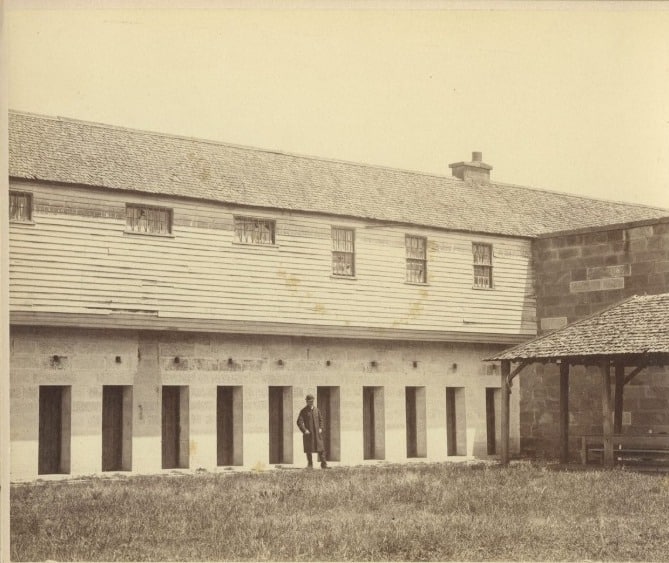
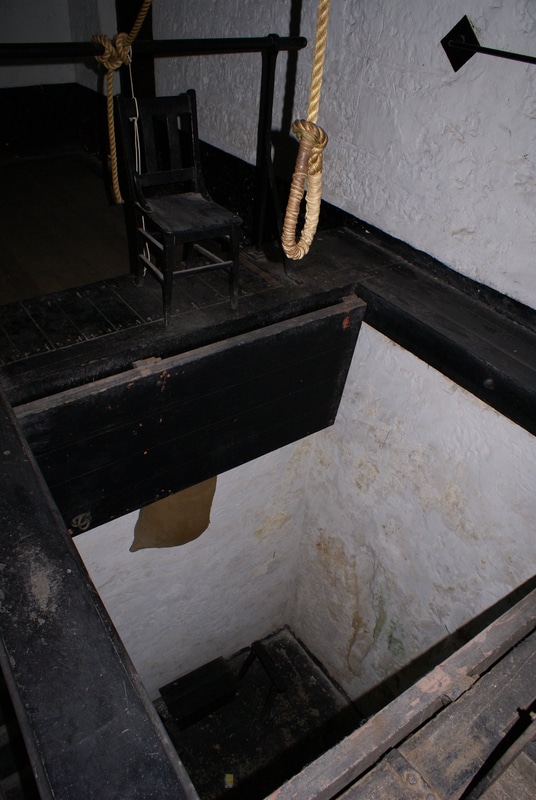
2005: The Granny Killer Found Hanging in His Cell

John Wayne Glover, 72, was found hanging from a shower rail in his cell at Lithgow prison in New South Wales. He had been serving life without parole for the murder of six elderly women on Sydney‘s North Shore between 1989 and 1990. The mayor of Mosman described his death as the end of a terrible era.

No evidence has ever surfaced that Glover killed before 1989, when he was 56 and had already been married for 20 years with children; his wife had no idea of the violence in his past. He only admitted to the murders once confronted with the police evidence against him.

Glover denied responsibility for other crimes in which he was a prime suspect. Years after his conviction, he admitted he never worried about who his victims were or why he killed them; he said he wanted to stop but could not, and simply returned to his normal life after each murder.

Prison Cell
Prison Cell

⬅ See all events from 9 September

Spread the word on your favourite platform!
True Crime Scene Tape

1792: Sydney’s First Grave: The Convict Buried Beneath What Is Now the Town Hall

When Governor Phillip and the Reverend Richard Johnson chose a quiet spot on the outskirts of town for a burial ground in September 1792, the first person laid to rest there is believed to have been a convict named Michael Dunn. The site, later known as the Old Sydney Burial Ground or the George Street Burial Ground, now lies beneath Sydney Town Hall.

For 27 years the cemetery operated with almost no formal oversight: it was never gazetted, no trustees were appointed and no burial register or plan was kept. The Reverend William Cowper later admitted that “the dead of all communions were interred indiscriminately”, though social distinctions persisted among the military, with non-commissioned officers of different regiments buried in separate corners of the ground.

Once the cemetery closed in 1820 and burials moved to Brickfield Hill, now the site of Central railway station, the old ground fell into grim disrepair. Headstones were vandalised, pigs, goats and horses wandered among open graves, and grave robbers were blamed for prising up leaden coffins. A committee report even noted men using the abandoned cemetery to relieve themselves, and in hot weather the stench became unbearable.

Despite public opposition to disturbing the dead, the City of Sydney eventually cleared the site to build its Town Hall, ending nearly a century of neglect over the city’s first burial ground.

Old Sydney burial ground historic cemetery illustration

⬅ See all events from 8 September

Spread the word on your favourite platform!
True Crime Scene Tape
On This Day in True Crime History

Subscribe to Dark Stories

True crime stories, dark history and tour news, straight to your inbox.