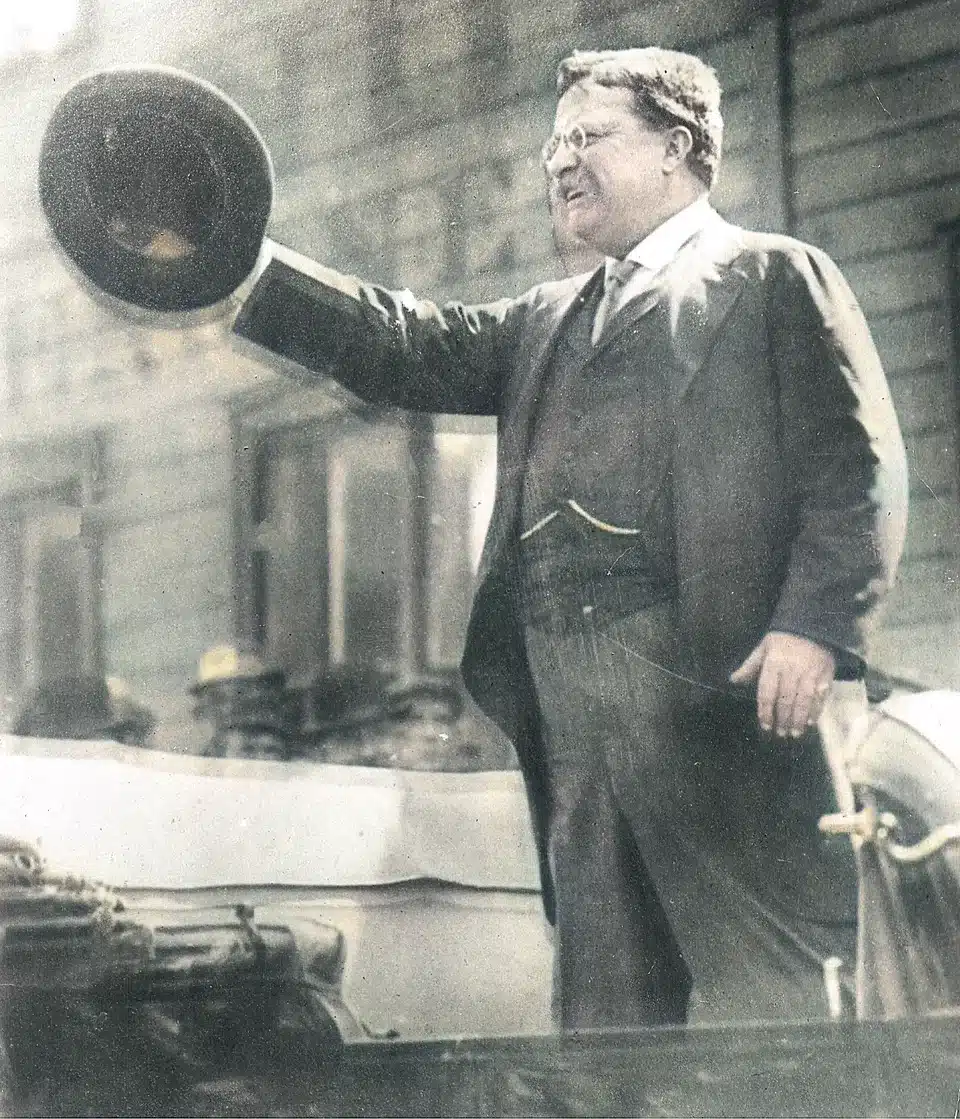
Thomas Airey had spent most of his adult life behind bars in England before he was transported to Western Australia aboard the Nile, arriving at Fremantle in December 1857 to serve a 15 year sentence for burglary. In June 1860 he was granted a ticket of leave, a conditional release that let convicts who had shown good behaviour work and live within a set district without constant supervision, a step short of full freedom but a clear sign the colony had judged him trustworthy.

That trust lasted barely four months. By October 1860 Airey stood before the Supreme Court in Perth convicted of a serious assault and sentenced to death. He was hanged at Perth Gaol on 13 October 1860, aged 29, and buried the following day at East Perth Cemetery.
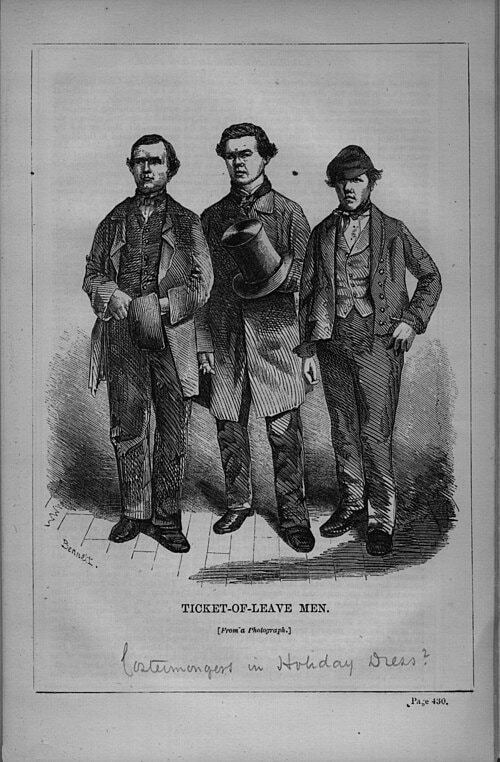

Ticket of leave men historical photograph

⬅ See all events from 13 October

Spread the word on your favourite platform!

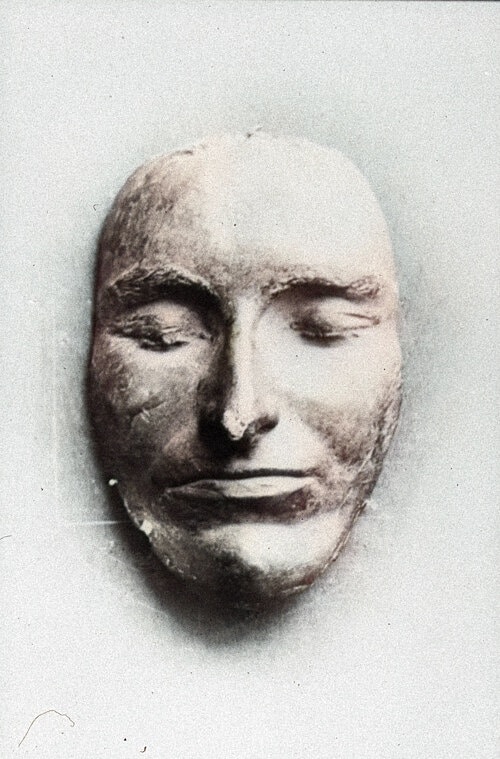
William Westwood was already notorious as Jackey Jackey, a bushranger transported twice and flogged repeatedly, when he helped lead the 1846 Cooking Pot Uprising on Norfolk Island, a desperate convict revolt sparked by brutal rations and treatment. In the chaos, three constables and an overseer were killed.

He was 26 when he was hanged on 13 October 1846, one of the largest mass executions in Australian penal history.

Death mask of William Westwood known as Jackey Jackey

⬅ See all events from 13 October

Spread the word on your favourite platform!

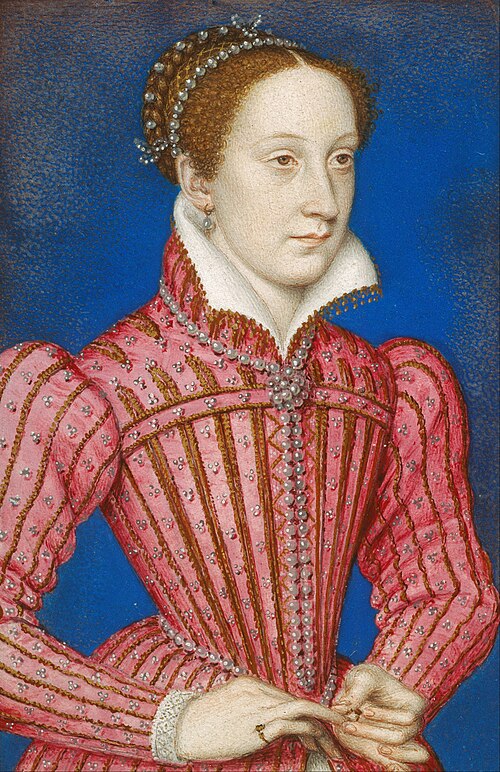
Before dawn on Friday 13 October 1307, royal officers across France moved on hundreds of Knights Templar at once, arresting the warrior monks in their own preceptories under sealed orders opened simultaneously nationwide. King Philip the Fair, deeply in debt to the order he had once sworn to protect, accused its knights of heresy and secret blasphemous rites.

Under torture, many confessed to charges historians now regard as fabricated to justify seizing the order’s vast wealth. The arrests marked the beginning of the end for the Templars, who were suppressed within a few years and their leaders burned at the stake, and contributed to the enduring misfortune of the date of Friday the 13th.

Medieval illustration of the Grand Master of the Templars burning at the stake.

⬅ See all events from 13 October

Spread the word on your favourite platform!

The trouble began with cooking pots. When the commandant of the Norfolk Island penal settlement ordered all private kettles and saucepans confiscated in June 1846, tightening an already brutal regime, convicts erupted in fury the next morning. A mob armed with axes and wooden billets killed a convict constable at the lumber-yard gate, beat an overseer to death with a carving fork and billets, then struck down two more sleeping constables before soldiers finally restored order.

Fourteen men were tried months later before a military jury; twelve were convicted and hanged in two batches of six on the same morning in October 1846, their bodies buried outside consecrated ground in a spot still known as Murderers’ Mound. A thirteenth man was hanged six days after for the same overseer’s killing.

Before his execution, the ringleader declared that four of the twelve condemned men were innocent, insisting he had not even spoken to one of them on the morning of the riot and that the others had played no part in the killings, but it was to no avail.

Murderers mound on Norfolk Island circa 1900

⬅ See all events from 13 October

Spread the word on your favourite platform!
On This Day in True Crime History

Subscribe to Dark Stories

True crime stories, dark history and tour news, straight to your inbox.