Archives: Dark Stories: On This Day In True Crime History - Page 25
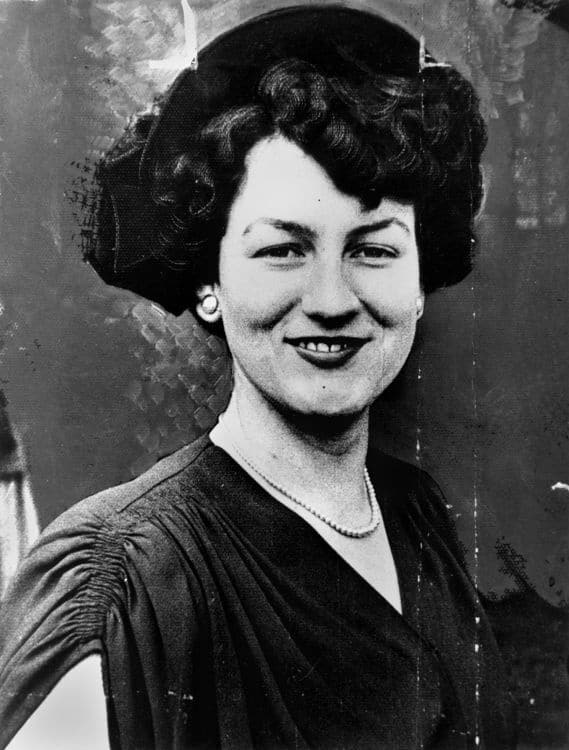
On the night of 19 September 1952, 22 year old Betty Shanks stepped off a tram at the Grange terminus in Brisbane and set off on the short walk home. She never made it and her body was found the next morning, in the front garden of a house just metres from her parents’ own home.
Despite an extensive police investigation and decades of renewed interest, no one was ever charged over her death. The case has become one of Queensland’s most haunting cold cases. A young woman killed almost within sight of her own front door, with her killer never identified.
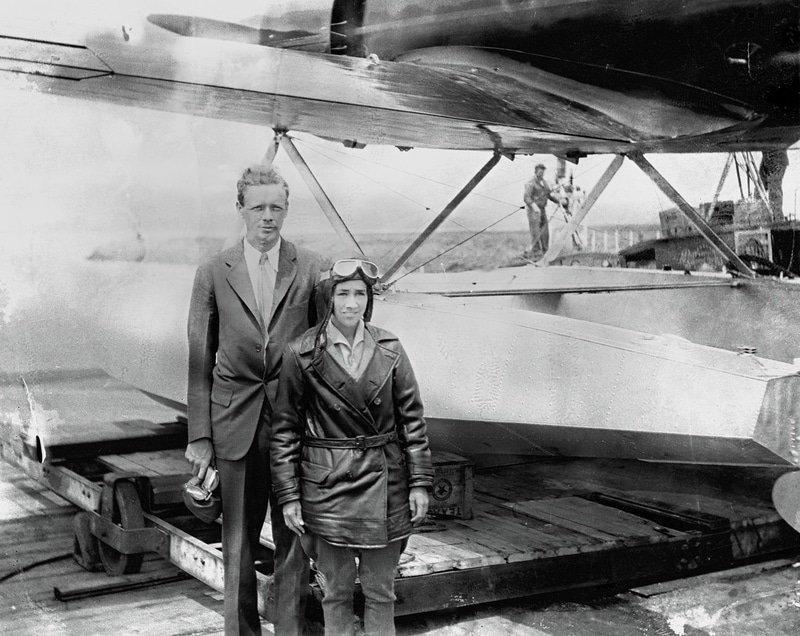
In March 1932, twenty month old Charles Lindbergh Jr, son of aviator Charles Lindbergh, was taken from his nursery in Hopewell, New Jersey, via a homemade ladder left beneath the window. A ransom of 50,000 dollars in gold certificates was paid, but the child’s body was found in nearby woods weeks later.
On September 19, 1934, police arrested Bruno Richard Hauptmann, a German born carpenter, after one of the marked gold certificates surfaced at a petrol station and was traced back to him. Searchers found thousands of dollars of the ransom money hidden in his garage, and timber from the ladder was matched to a board missing from his attic floor.
Hauptmann was tried at Flemington, New Jersey, convicted of murder, and executed in the electric chair at Trenton State Prison in April 1936.
Hauptmann maintained his innocence to the end, reportedly refusing an offer to commute his sentence in exchange for a confession, and went to his death still denying any role in the kidnapping.
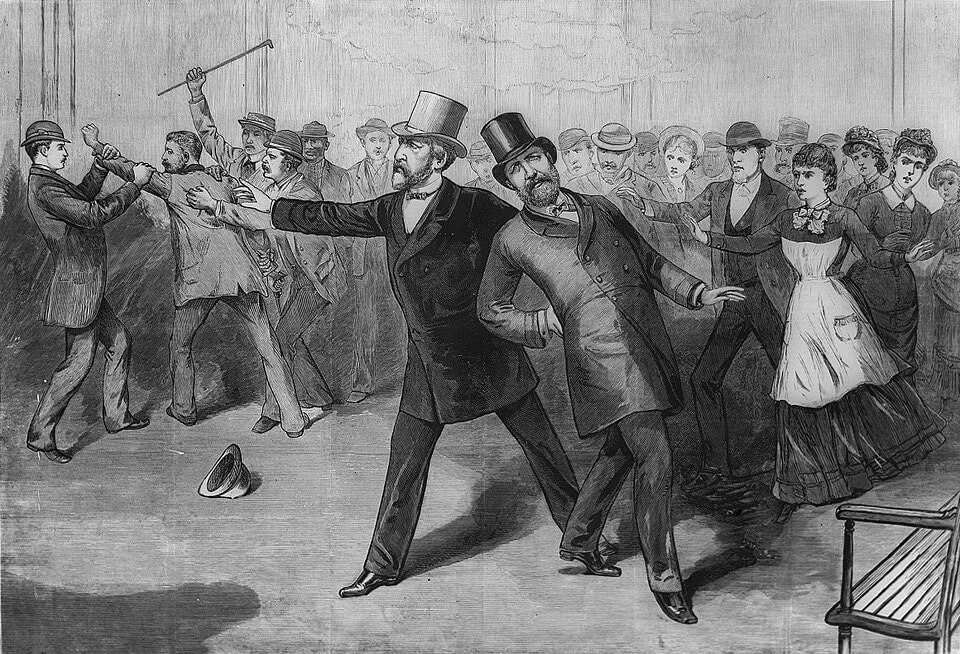
James A. Garfield, the 20th president of the United States, was shot on July 2, 1881 at a Washington D.C. railway station by Charles Guiteau, a disgruntled and mentally unstable office seeker who had been refused a political appointment.
The wound itself was not immediately fatal, but the president lingered for 79 days as infection set in, worsened by doctors repeatedly probing the injury with unsterilised fingers and instruments in the years before antiseptic surgery was widely practised in America. Garfield died on September 19, 1881, becoming the second American president assassinated in office after Abraham Lincoln.
Guiteau stood trial and was hanged the following year, reportedly declaring at his execution that he had acted for the good of the nation and that his death would be a great loss to politics.
Engraving of the assassination of President Garfield
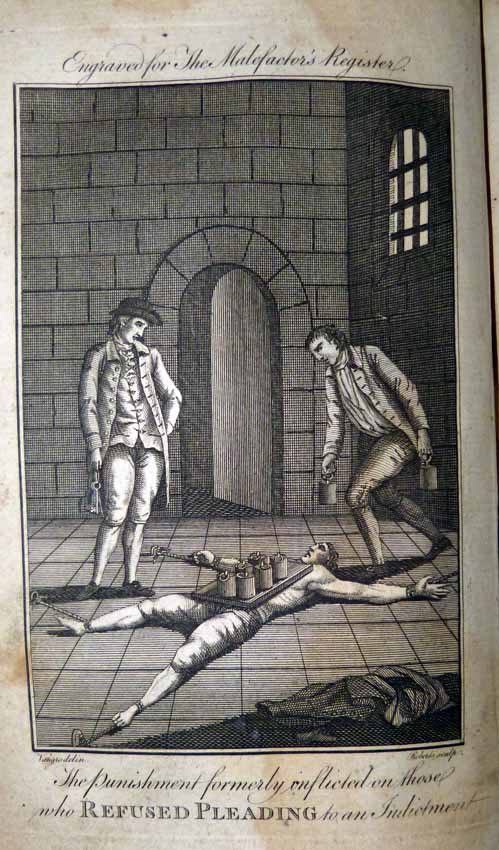
Giles Corey, an 81 year old farmer in Salem, Massachusetts, refused to enter a plea when charged with witchcraft during the hysteria of 1692. By standing mute he prevented a trial from proceeding under the law of the time, which instead prescribed peine forte et dure: the accused was stretched on the ground and heavy stones piled onto his chest to force a plea.
Corey endured the ordeal for two days without submitting. Sheriff’s men reportedly used a stick to push his tongue back into his mouth when it protruded under the weight. His last words are said to have been a simple demand for more weight: “more weight”.
By refusing to plead, Corey ensured he was never convicted, which meant his property could not be seized by the colony, an outcome believed to be his deliberate motive in choosing this brutal death over a trial. He remains the only person in American history known to have been executed by pressing.
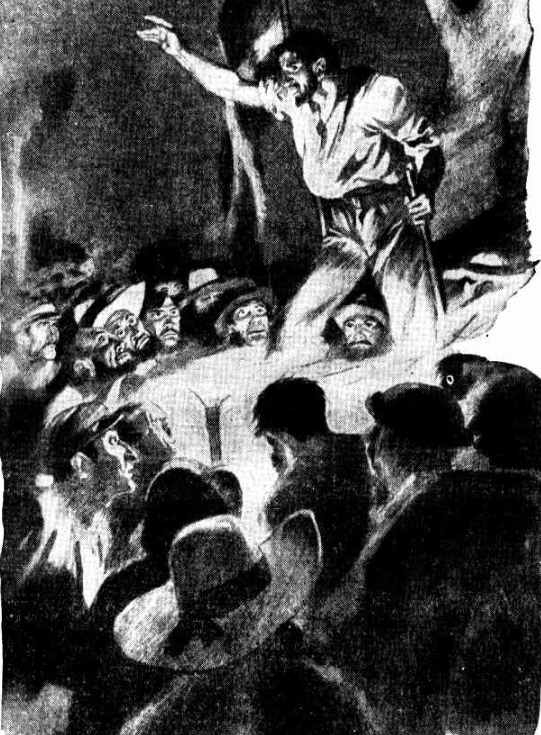
Peine forte et dure – Punishment for refusing to plead in court.