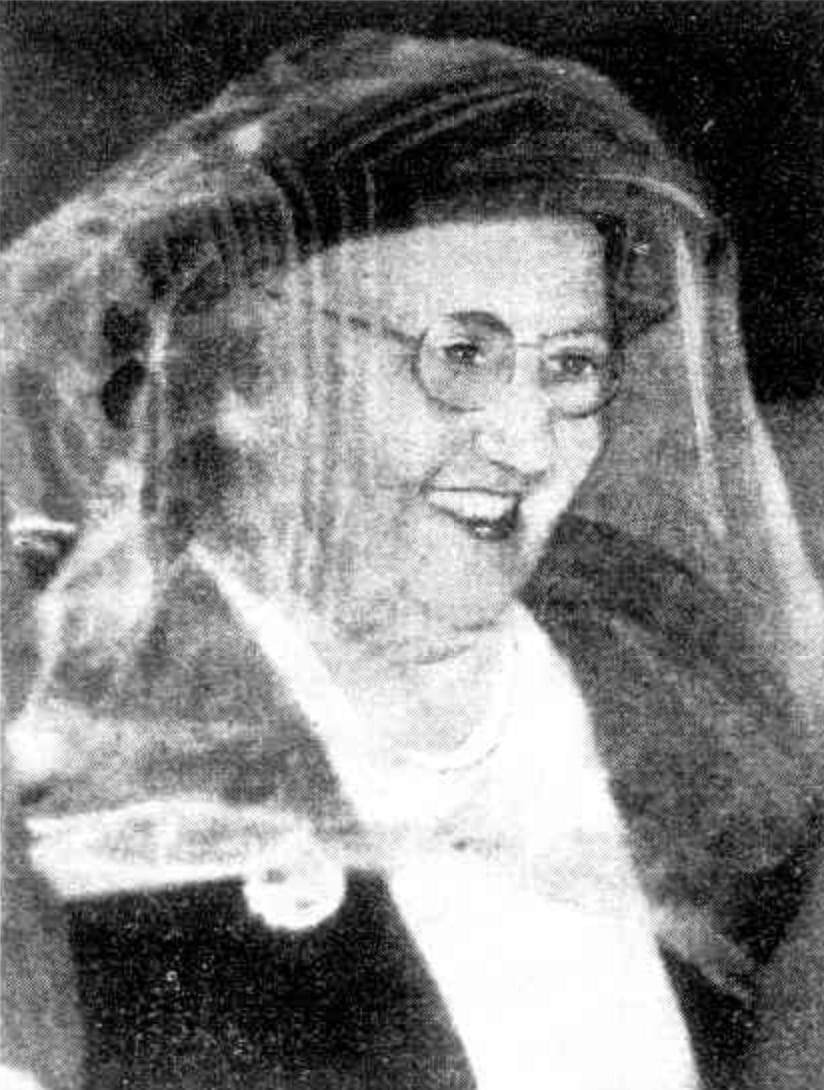
She was born Margaretha Zelle in the Netherlands and reinvented herself in Paris as Mata Hari, an exotic dancer whose stage act and string of wealthy, often military, lovers made her a sensation across Europe. When war came, French intelligence suspected she was selling pillow talk to Germany.

The evidence against her was thin and largely circumstantial, built on intercepted telegrams and a reputation for scandal rather than proof. A French military tribunal convicted her of espionage anyway, and she was executed by firing squad outside Paris on 15 October 1917.

She refused a blindfold and reportedly blew a kiss to the soldiers before they fired, going to her death still insisting she had never betrayed France.
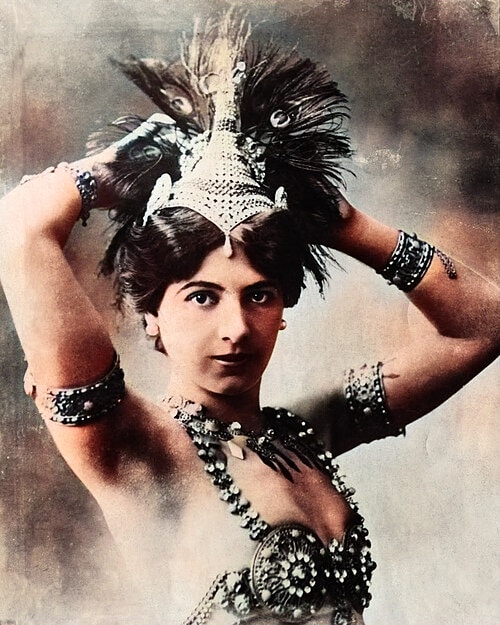

Mata Hari - 1910
Mata Hari – 1910

⬅ See all events from 15 October

Spread the word on your favourite platform!

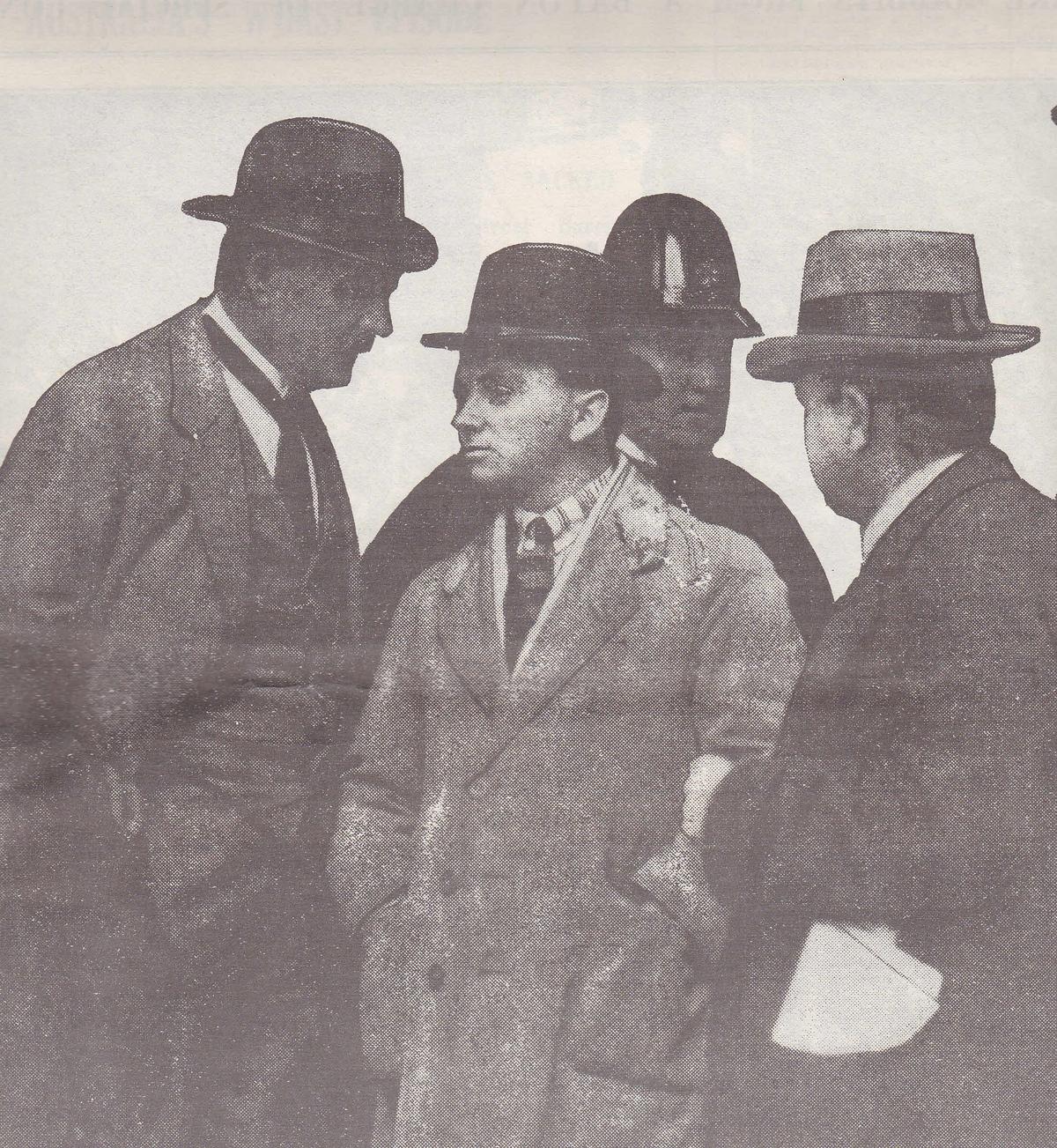
Caroline Grills was the kind of woman neighbours trusted: she brought cups of tea and homemade treats to relatives and friends, and several of them sickened and died. On this day she was convicted of the attempted murder of Eveline Lundberg with thallium, the same insidious poison police believed had already killed members of her own family.

Her manner in the dock attracted attention. When the jury returned its guilty verdict, Grills shrugged her shoulders and smiled broadly. After the judge recorded a sentence of death, she reportedly turned to police and asked, “Is that all?” She had protested her innocence throughout the trial.

The sentence was later commuted to life imprisonment. Grills died on 6 October 1960 never expressing remorse for the deaths linked to her name.

Caroline Grills arriving at Sydney Central Court, 9 July 1953. Unknown photographer. Originally published in the Brisbane Telegraph. Source: Trove, National Library of Australia. Public domain.

⬅ See all events from 15 October

Spread the word on your favourite platform!

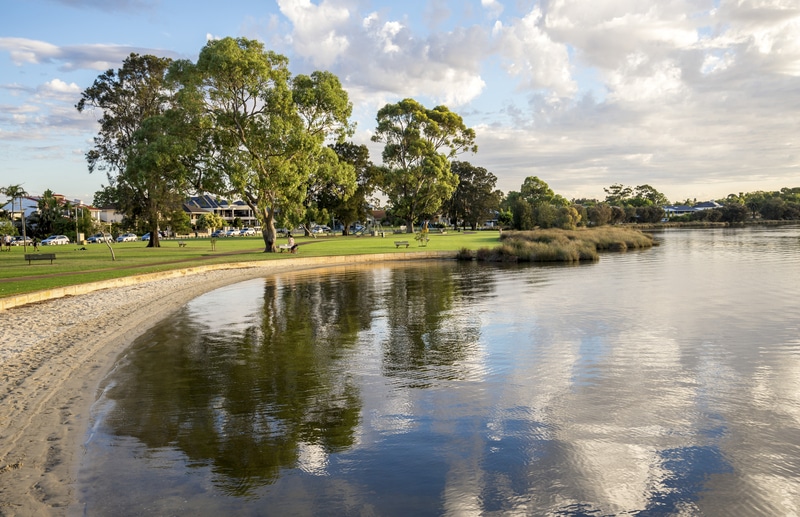
A boy named John Burtenshaw was killed in 1839 while minding sheep on the banks of the Canning River near Maddington, within sight of a farm a few miles from Perth. The accused was identified as responsible during a tense period of conflict between settlers and Aboriginal communities on the colonial frontier.

He was tried and sentenced to death, then taken from Fremantle gaol in 1841 and hanged at the very spot where the killing had occurred. Accounts recorded that on the road to the gallows he showed no fear, finding comfort in a belief that after death he would come back to life.

Curved sandy riverbank on Canning River in Perth at sunset

⬅ See all events from 14 October

Spread the word on your favourite platform!

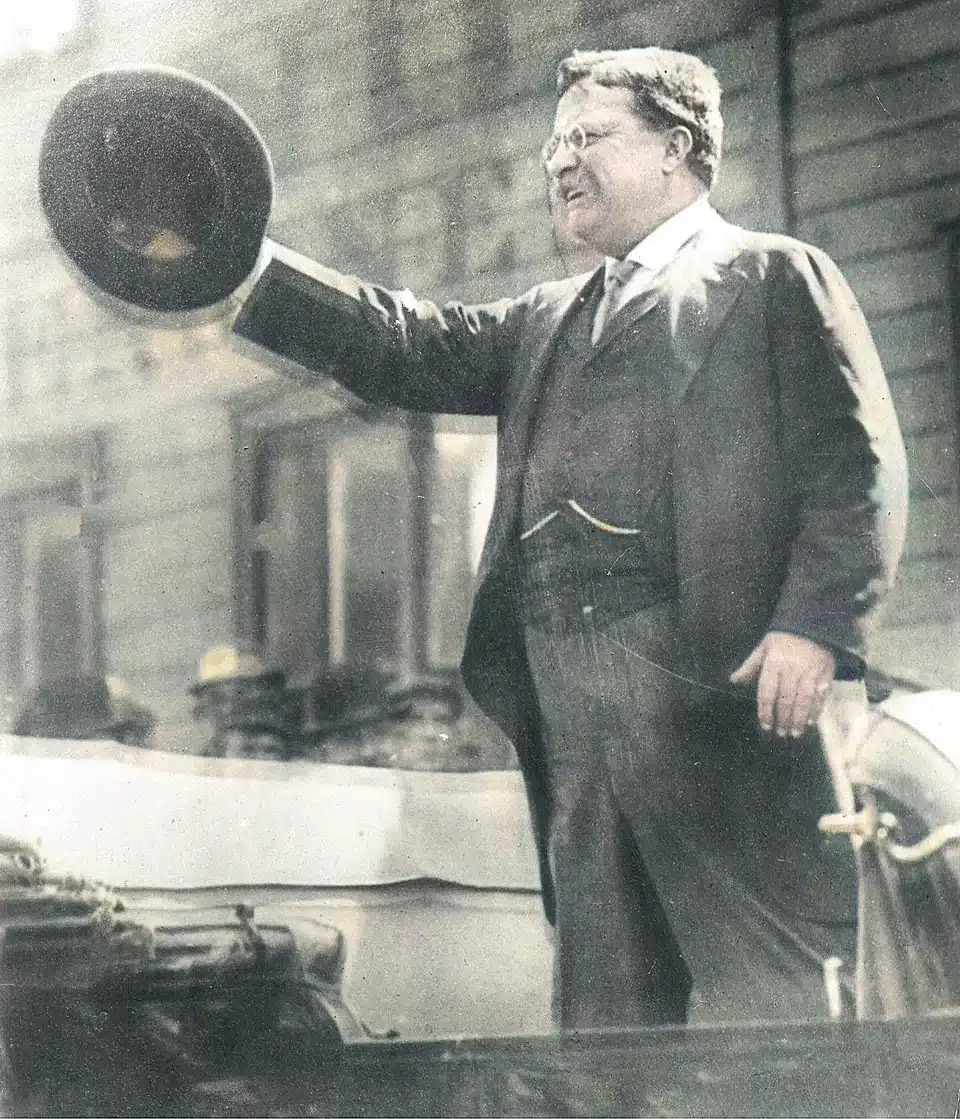
Theodore Roosevelt was climbing into his car in Milwaukee on 14 October 1912, campaigning for a third term as president, when a former saloonkeeper named John Schrank stepped from the crowd and shot him in the chest. The bullet had already been slowed by a folded steel glasses case and a fifty page speech manuscript in his breast pocket before it lodged in his chest muscle.

With the crowd turning on the gunman, Roosevelt shouted for Schrank to be left unharmed and handed to police. Then, bleeding and reasoning from his own hunting experience that he was not coughing blood and so his lung was untouched, he refused hospital treatment and walked onto the stage. He opened his address with the line that followed him ever after: “It takes more than that to kill a bull moose.” He spoke for roughly ninety minutes before finally agreeing to see a doctor. Surgeons judged the bullet too close to vital organs to remove, and Roosevelt carried it in his chest for the rest of his life.

Theodore Roosevelt speaking from a car shortly before being shot in 1912.

⬅ See all events from 14 October

Spread the word on your favourite platform!
On This Day in True Crime History

Subscribe to Dark Stories

True crime stories, dark history and tour news, straight to your inbox.