Richard Nixon had a choice: hand over the secret Oval Office recordings a court had ordered released, or dig in. On 19 October 1973, he chose defiance, rejecting an Appeals Court demand to turn over the Watergate tapes, recordings that held the conversations investigators believed would prove his role in the cover-up.

The refusal pushed Nixon to the edge of contempt of court and deepened a crisis that had already consumed his presidency. Rather than hand over the evidence, he tried to offer summaries in its place, a move that satisfied no one and only hardened suspicion that the tapes contained exactly what his accusers suspected. The standoff over those recordings would drag on for months, and it was the eventual release of the tapes that sealed his resignation the following year.


President Richard Nixon made of Wax. Wax figure Richard Nixon reading documents with american flag at desk | ID 59298060 © Lequint | Dreamstime.com
ID 59298060 © Lequint | Dreamstime.com

⬅ See all events from 19 October

Spread the word on your favourite platform!

Martin Luther King Jr. was arrested on this day in 1960 alongside dozens of students and local activists after refusing to leave his seat at a segregated department store lunch counter in Atlanta. The protest was part of a sit-in movement that had spread across the South since four students staged the first one at a Woolworth’s in Greensboro, North Carolina, earlier that year.

Most of the group had their charges dismissed, but King alone was held over a probation violation tied to an earlier case and sentenced to months of hard labour. The arrest drew national attention when presidential candidate John F. Kennedy personally intervened to help secure his release, a move credited with swinging crucial Black support behind Kennedy weeks before he won the presidency.

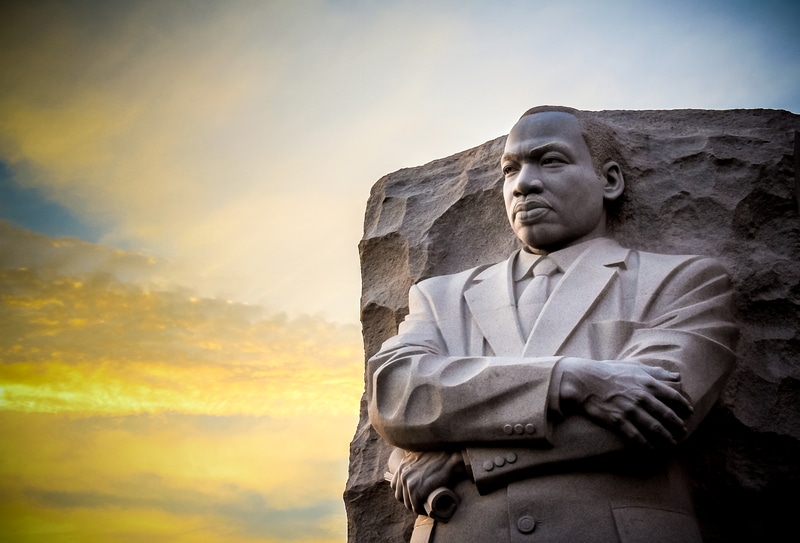
Martin Luther King Jr Memorial. The statue memorial for Martin Luther King Jr. in West Potomac Park, Washington D. C.. | ID 36894618 © Atomazul | Dreamstime.com
ID 36894618 © Atomazul | Dreamstime.com

⬅ See all events from 19 October

Spread the word on your favourite platform!

Nineteen-year-old Yolanda Washington was last seen getting into a car near a Los Angeles intersection one October evening in 1977. The next morning her body was found on a hillside near the Ventura Freeway, the first known victim of the killers soon dubbed the Hillside Stranglers.

Her killers were cousins Kenneth Bianchi and Angelo Buono, who had lured her with the promise of a ride before attacking and strangling her. Washington, who worked as a waitress and sometimes turned to sex work, was the opening victim in a killing spree that would terrorise the city for months before the cousins were finally caught.

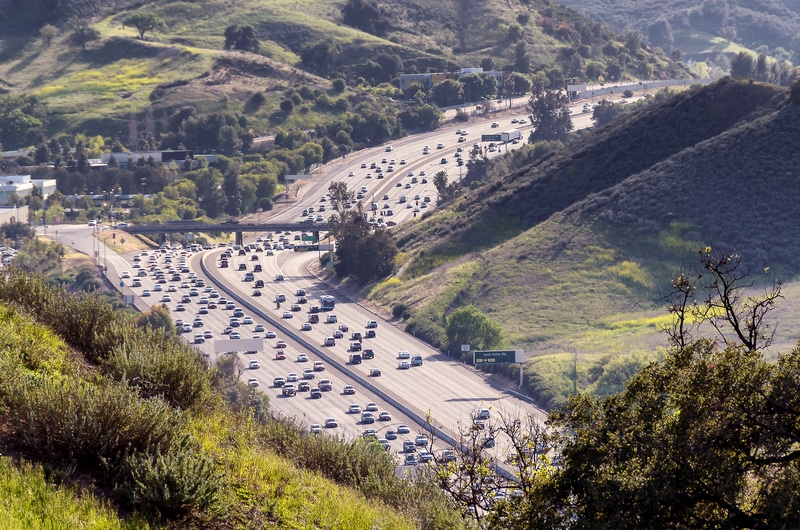
Aerial view of rush hour traffic on the 101 Ventura Freeway
Hillside Strangler: Aerial view of rush hour traffic on the 101 Ventura Freeway

⬅ See all events from 18 October

Spread the word on your favourite platform!

Lawrence Cummins once rode as a bushranger across New South Wales, but by the time disease caught up with him he had spent decades as someone else entirely. Living quietly under the assumed name James Long, he settled far from his old haunts and let the past disappear.

He died at Wodonga, Victoria, aged 66, of hepatitis, cirrhosis and Bright’s disease, and was buried in the local cemetery under the name his neighbours knew. Few, if any, of them ever learned they had been living alongside a man with a bushranging past.

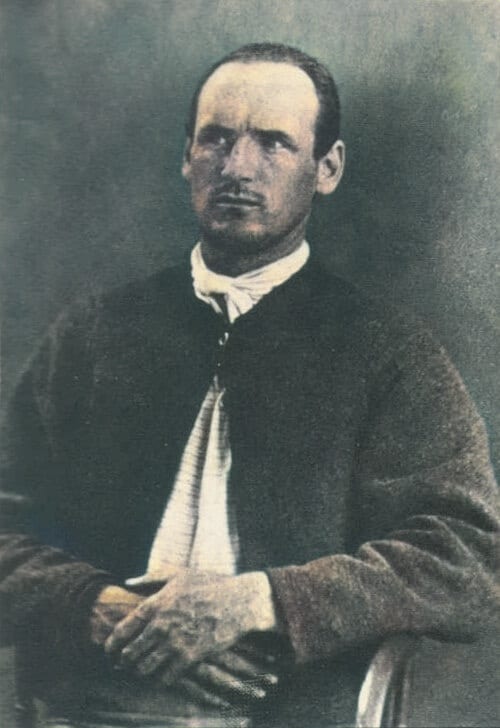
Bushranger Larry Cummins

⬅ See all events from 18 October

Spread the word on your favourite platform!
On This Day in True Crime History

Subscribe to Dark Stories

True crime stories, dark history and tour news, straight to your inbox.