Archives: Dark Stories: On This Day In True Crime History - Page 19
Ian Brady insisted that his lover, Myra Hindley, had nothing to do with the killing. But detectives found a handwritten account in her car describing their plan to murder a teenager: a plan they had already carried out.
Further searches uncovered photographs and a tape recording documenting another victim’s ordeal. On the recording, detectives heard not only the pleas for mercy, but the voices of Brady and Hindley themselves.
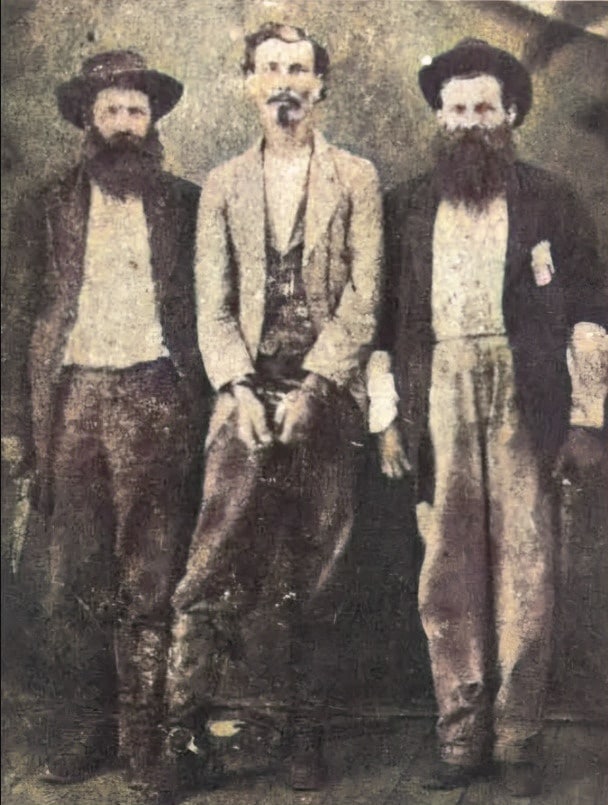
Texas outlaw William Preston Longley, known as Wild Bill, claimed he had once survived a lynching when a gunshot damaged the rope around his neck. The story remains unverified, but his actual execution would have a mishap of its own.
On this date, Longley was hanged at Giddings for murdering Wilson Anderson. The rope was too long, allowing his feet to reach the ground beneath the scaffold. Officials had to haul him upwards to complete the execution, adding another strange chapter to a life already tangled in violence and legend.
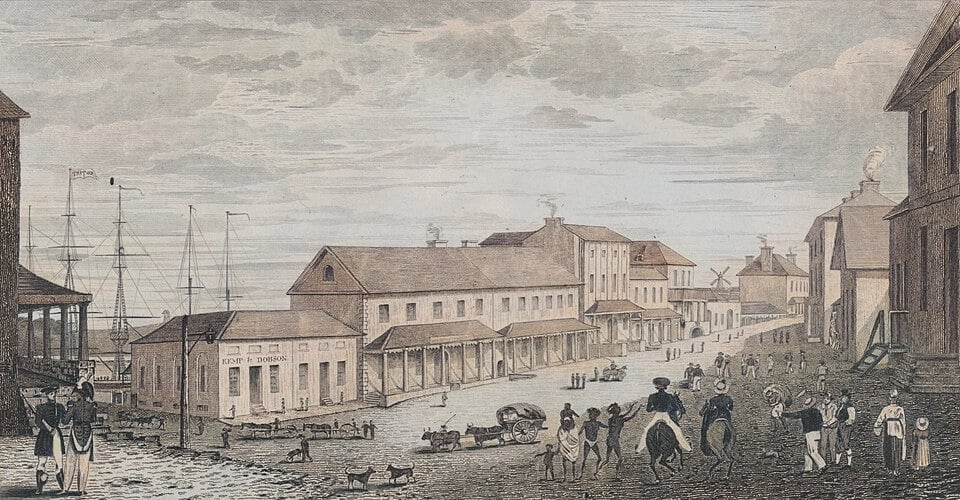
Eight-year-old Graeme Thorne was snatched walking to school in Sydney in 1960, just a day after his family’s lottery win made headlines. Six weeks later his body was found wrapped in a tartan picnic blanket on vacant land at Seaforth, still in his school uniform, gagged and bound with string.
Forensic scientists traced the blanket to one of only 3,000 ever woven at an Onkaparinga mill, then matched rare tree pollen and pink mortar scraped from the body to a single property at Clontarf, once home to a blue Ford, a Pekingese dog and a blonde-haired wife. By the time police reached the house, its occupant, Hungarian migrant Stephen Bradley, had already sailed for London with his family aboard the SS Himalaya. Two Sydney detectives were waiting for him when the ship docked at Colombo, and he was brought back to face extradition and trial.
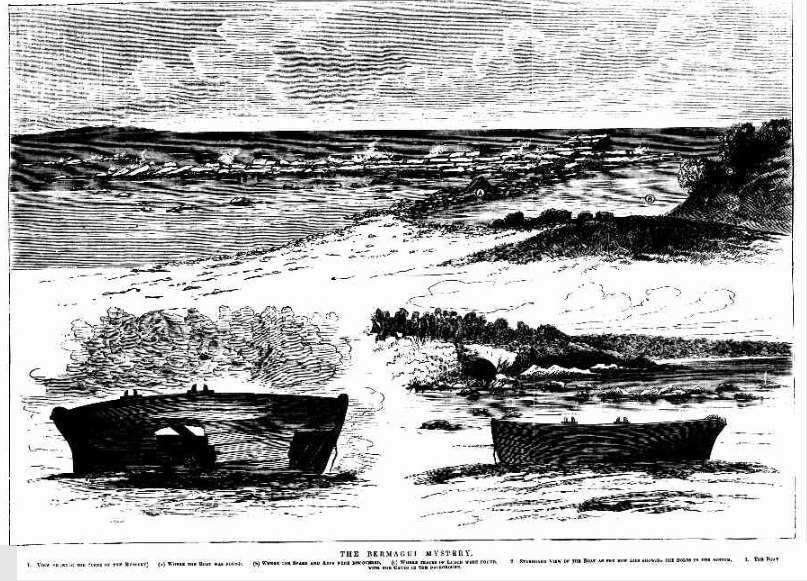
Geological surveyor Lamont Young, his assistant and three boatmen set out from Bermagui, New South Wales by night and would be last seen on this date, searching the coast for gold. Their boat would be found drifting empty near what would become known as Mystery Bay, its sail and anchor gone, loaded with heavy rocks, and a bullet hole through the hull.
What unsettled investigators most was not what was missing but what remained. A pair of spectacles sat neatly folded on a seat, none of the cargo was wet, and the holes in the planking had been punched outward from inside the boat, not in. No bodies, no weapon, and no sign of struggle were ever found, despite rewards, government inquiries and headlines across the British Empire. The five men were never seen again, and the mystery remains unsolved to this day.