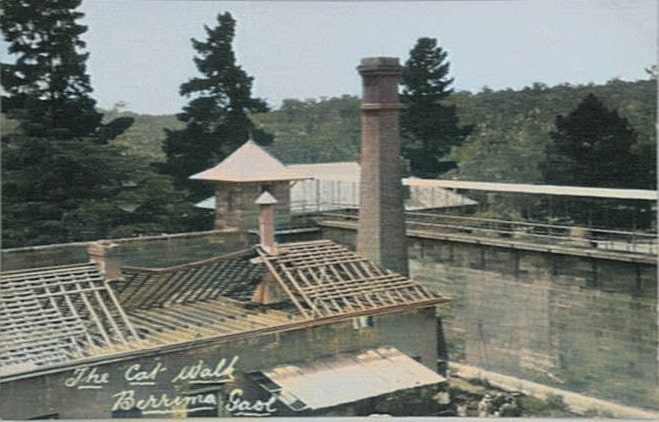
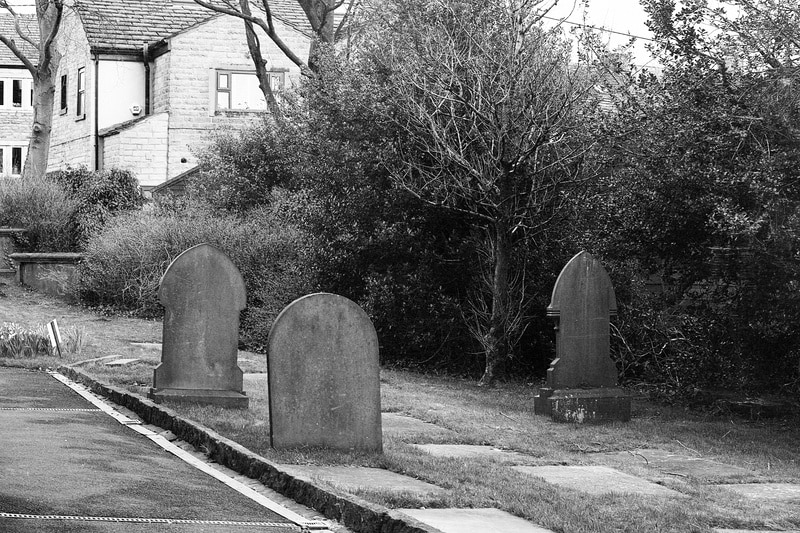
Texas outlaw William Preston Longley, known as Wild Bill, claimed he had once survived a lynching when a gunshot damaged the rope around his neck. The story remains unverified, but his actual execution would have a mishap of its own.    On this date, Longley was hanged at Giddings for murdering Wilson Anderson. The rope was too long, allowing his feet to reach the ground beneath the scaffold. Officials had to haul him upwards to complete the execution, adding another strange chapter to a life already tangled in violence and legend.
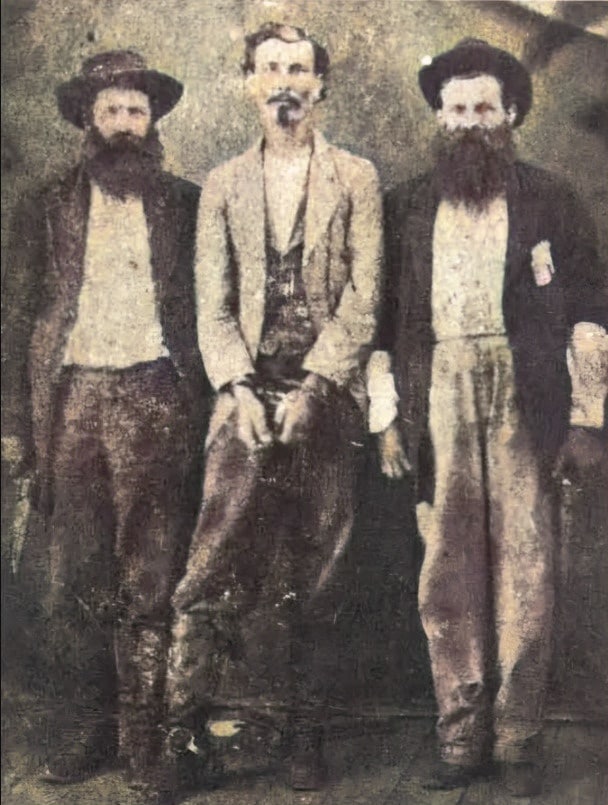

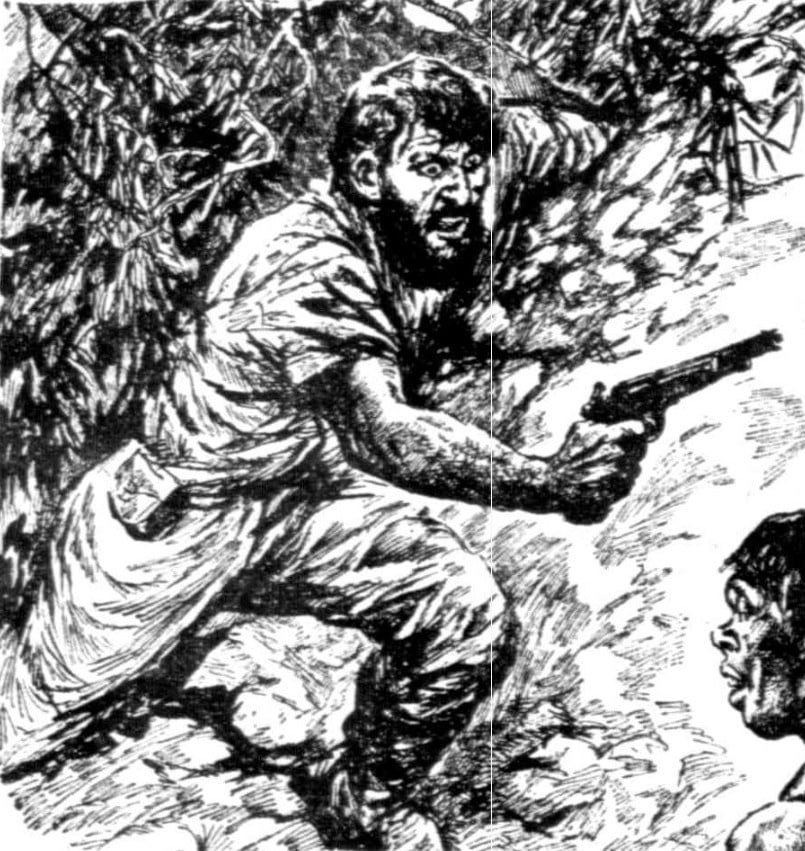
Wild Bill arrested.
Wild Bill arrested.

⬅ See all events from 11 October

Spread the word on your favourite platform!

William Organ was a shepherd in the service of the wealthy Sydney grazier John Palmer, trusted to drive his master’s flock in from Hawkesbury. Along the way he peeled off nine sheep, daubed tar on their heads to disguise them, and tried to sell them to a local man named Chears for 20 shillings, claiming they were his own.

The scheme unravelled when a fellow shepherd spotted the tar-marked sheep rejoining the flock and recalled Organ’s story that they belonged to Chears but had simply strayed. Tried before the Court of Criminal Jurisdiction, Organ was convicted; the judge also condemned Chears for knowingly dealing with a man of doubtful character rather than reporting him. Organ was hanged in Sydney on 11 October 1806.

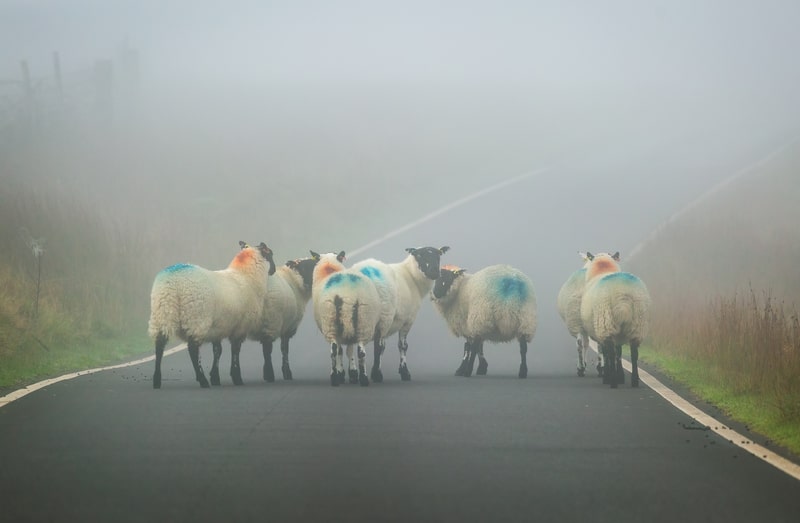
Sheep on a foggy mountain road in the Brecon Beacons

⬅ See all events from 11 October

Spread the word on your favourite platform!

In Versailles in 1789, a physician named Joseph Guillotin stood before France’s new National Assembly and argued that execution should not be a matter of rank or suffering. He proposed that every condemned prisoner, noble or commoner, die the same way: instantly, by a single blow of a blade, rather than by the axe, the sword, or the rope, methods that often took multiple strokes or slow strangulation to finish the job.

Guillotin framed it as a mercy, a way to strip cruelty and class privilege out of state killing. He did not invent the device that would later carry his name, nor did he ever operate one, but the machine built from his proposal would go on to define the French Revolution’s Reign of Terror, and the word guillotine would forever be linked to the man who only meant to make dying less brutal.

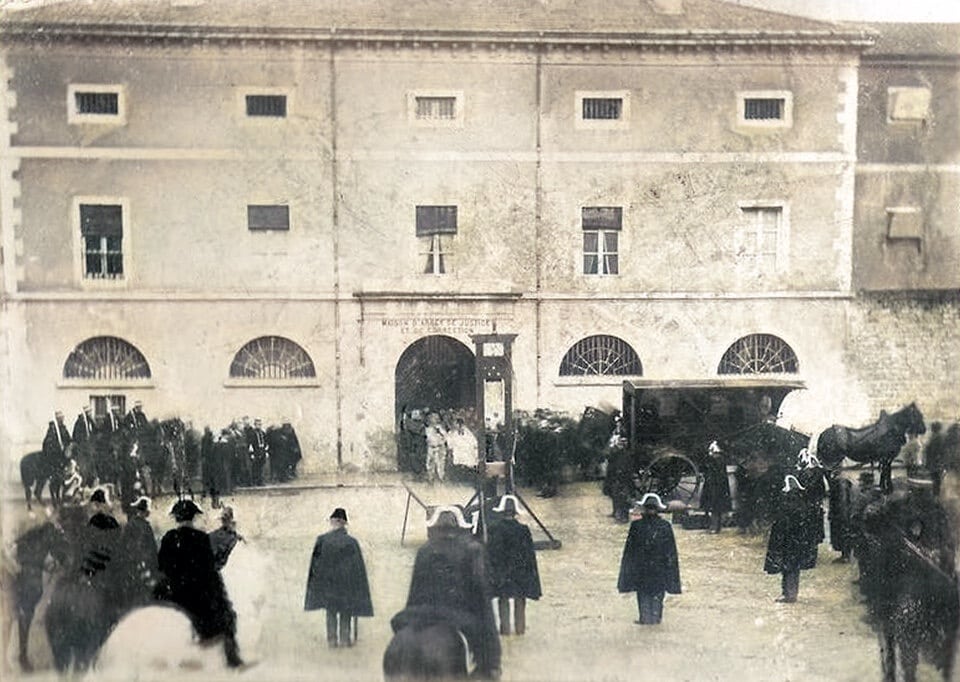
Public guillotine execution scene 1897

⬅ See all events from 10 October

Spread the word on your favourite platform!

William Henry Scott, a butcher working in Sydney, was arrested on 10 October 1866 after police traced a bloodstained axe and a scrap of twilled calico he had left in storage with his former landlady, Mrs Janet Orr. The cloth matched a fragment found wrapped around the charred, headless remains of a woman dug up weeks earlier on waste ground off Sussex Street.

The breakthrough led detectives to Scott’s former workmates, who recalled his offhand confession in the days after the killing: that he had “done away with the Kangaroo”, their nickname for the woman who used to wait outside the shop for him each evening. Tried and convicted despite his furious denials, Scott was hanged at Darlinghurst Gaol in March 1867.

On the scaffold he still insisted, “I’ve never murdered man, woman or child in my life”, before forgiving the witnesses he blamed for his conviction.

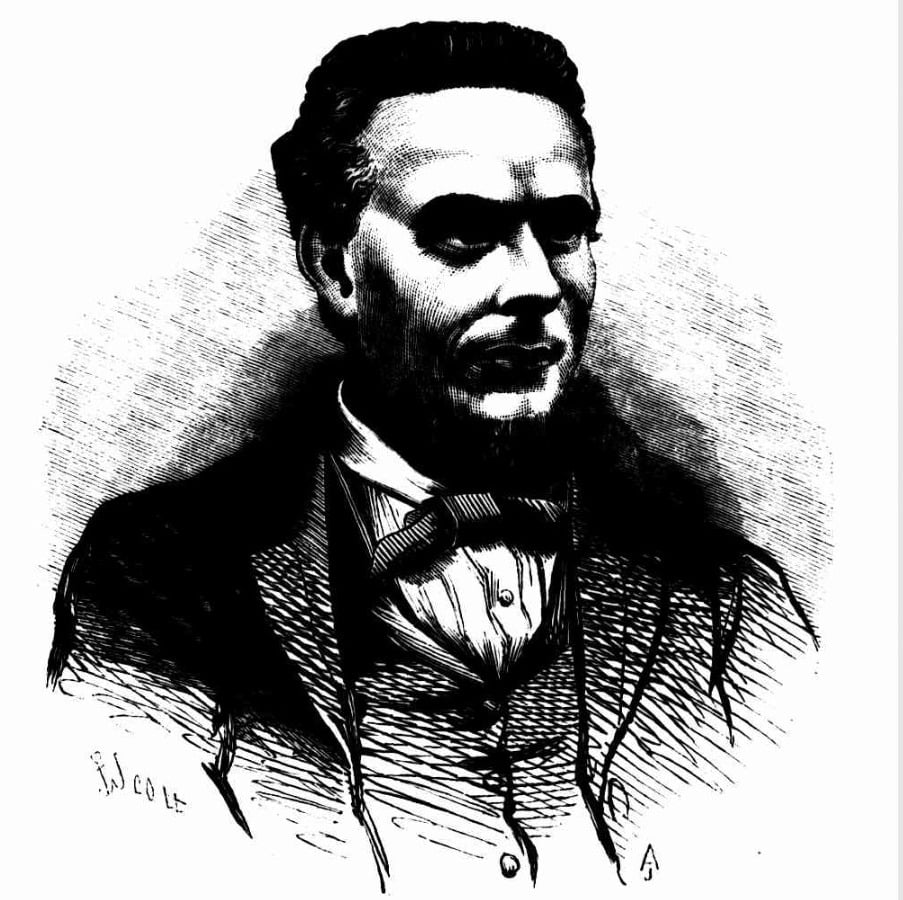
William Henry Scott under sentence of death 1867

⬅ See all events from 10 October

Spread the word on your favourite platform!
On This Day in True Crime History

Subscribe to Dark Stories

True crime stories, dark history and tour news, straight to your inbox.