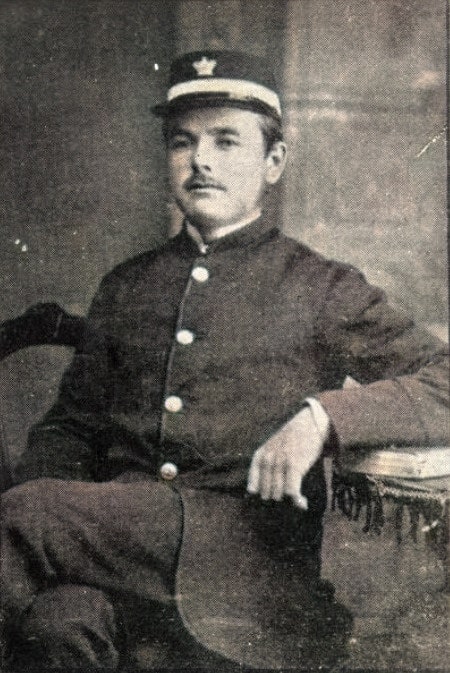
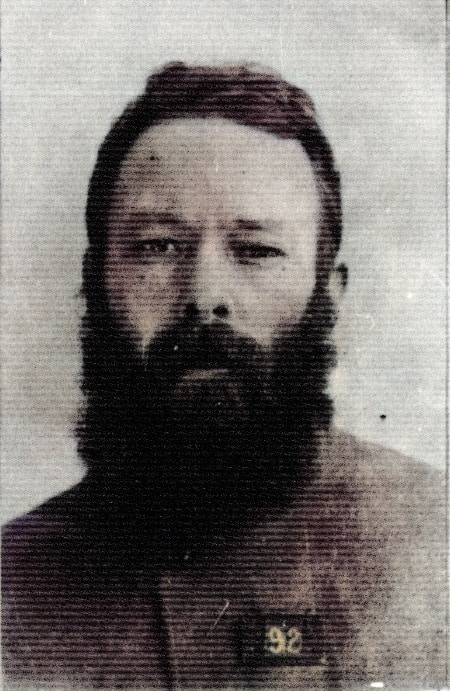
When civil engineer Peter Sherlock vanished in July 1889, his landlord Robert Landells claimed he had gone up country looking for work. About a month later, Sherlock’s body was discovered beneath branches near Ringwood, outside Melbourne, with a fractured skull and devastating gunshot injuries to his face.

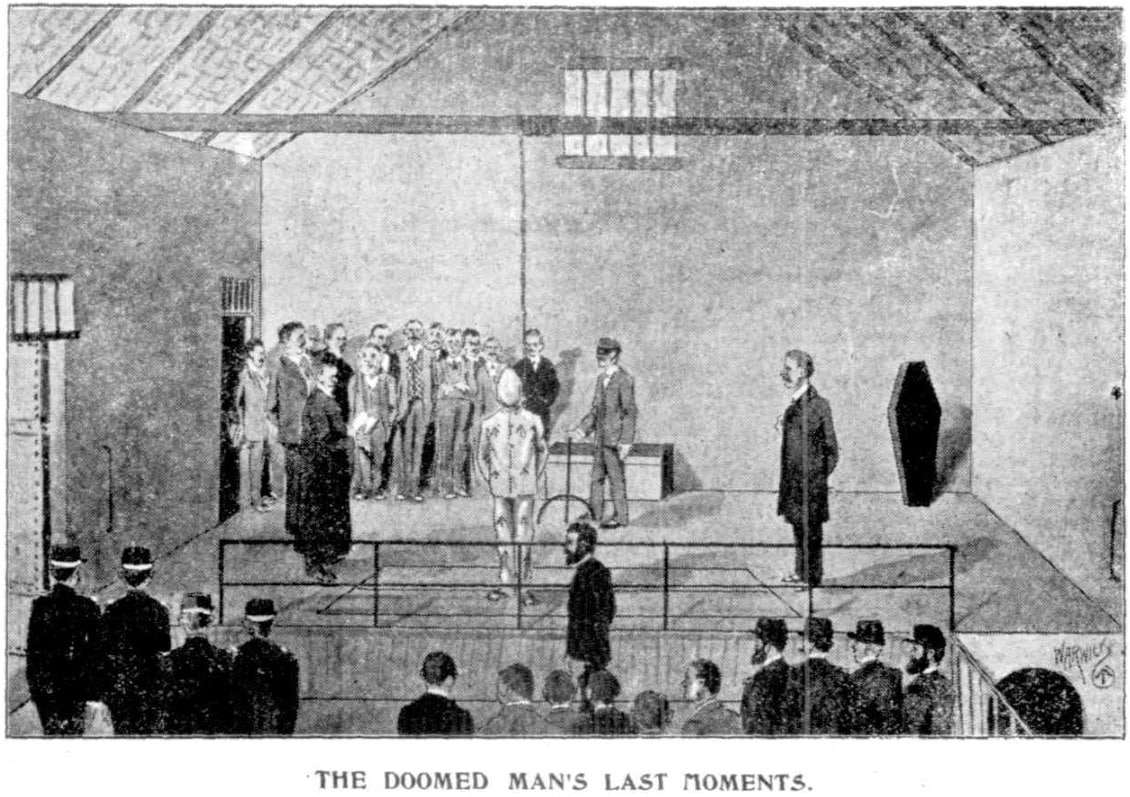
Landells told the inquest Sherlock had been broke and depressed, a man likely to have taken his own life. Detectives found otherwise: Sherlock held 200 pounds in securities, and after his disappearance Landells had cashed his cheques and sold his gun to a grazier near Beaufort. Confronted, Landells confessed to shooting Sherlock while passing the loaded gun between them, insisting it was an accident, then panicking and burying the body. A jury did not believe him, and he was hanged at Melbourne Gaol on 16 October 1889 in an execution so botched the rope nearly severed his head.

Landells kept to his story of an accident to the end, refusing calls to confess. When the sheriff asked on the scaffold whether he had anything to say, he replied only, “No, sir.”
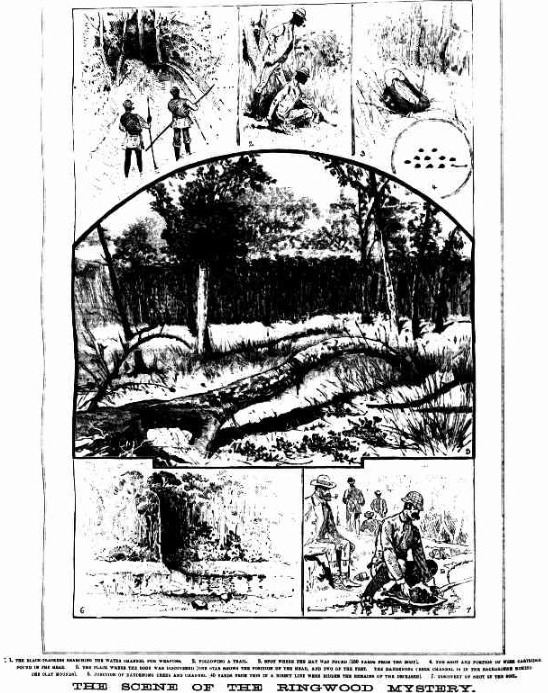

Sketch of Ringwood mystery crime scene near Dandenong Creek 1889

⬅ See all events from 16 October

Spread the word on your favourite platform!

John Hill, a butcher, had spent the day drinking with Simon Burn at Parramatta on 5 October 1794 when he turned on the woman he lived with, beating her until Burn stepped in to stop him. Hill stabbed Burn through the heart; dying within the hour, Burn had just enough strength left to name his killer before witnesses, declaring that the butcher had done it. Burn, a First Fleet convict who had earned his freedom and settled his own farm, was reportedly the first free man in the colony to be murdered by another colonist.

Hill tried to set up an alibi at his trial, but the wound and Burn’s own dying words undid him. He was hanged at Sydney on 16 October 1794, his body handed over for dissection as his sentence required.

Bloody Halloween killer dressed as butcher on dark blue background

⬅ See all events from 16 October

Spread the word on your favourite platform!

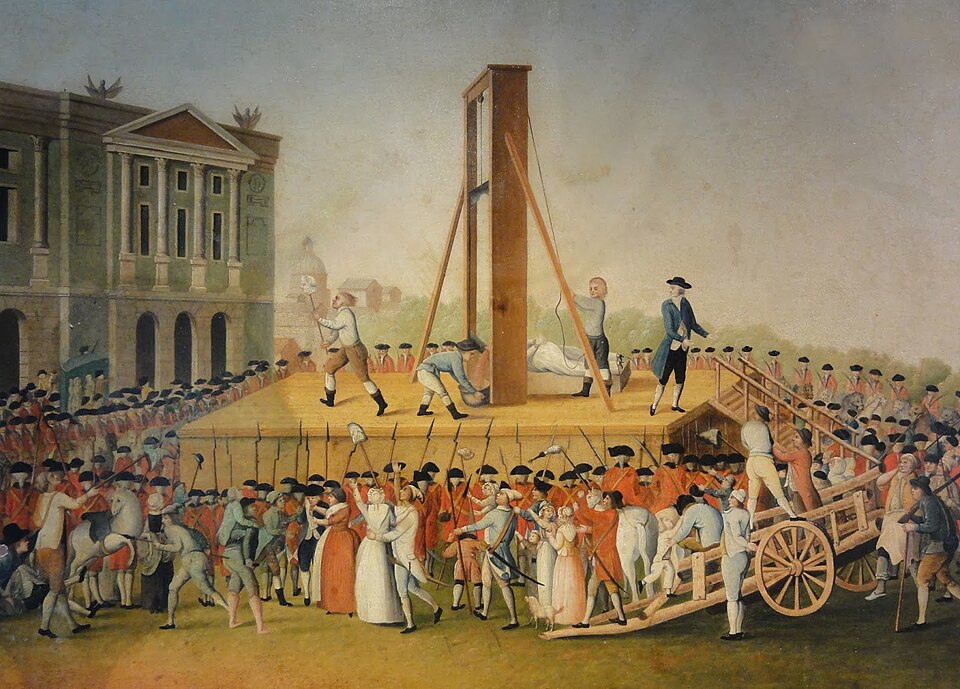
Nine months after her husband Louis XVI went to the guillotine, Marie Antoinette followed him, tried by the Revolutionary Tribunal for treason against the new French Republic. Her hair had been cropped and her wrists bound behind her back; she rode to the Place de la Revolution in an open cart, not the closed carriage that had carried the king. Witnesses recorded that climbing the scaffold she stepped on her executioner’s foot and murmured an apology, a small, almost absurd courtesy moments before the blade fell on 16 October 1793. The crowd that had once cheered a queen watched in silence.

Marie Antoinette's execution in 1793
Marie Antoinette’s execution in 1793

⬅ See all events from 16 October

Spread the word on your favourite platform!

Young Edward Dunn vanished near his family’s farm at Port Gregory, north of Champion Bay in Western Australia in October 1865. Search parties tracked his footprints for a short distance before they disappeared, and no trace of him surfaced until the following April, when fragments of clothing, a skull and other remains were pulled from a well.

The mystery stood unsolved until 1873, when one of the accused broke down in a Geraldton lock-up and told police what had happened: a group of men had come across Dunn, killed him, then cooked and ate portions of his body before hiding his remains down the well. Two men were convicted of murder, admitted their guilt, and were hanged at Perth Gaol on this date, eight years after the killing.

Pitcher and well in the Negev Desert, Israel

⬅ See all events from 16 October

Spread the word on your favourite platform!
On This Day in True Crime History

Subscribe to Dark Stories

True crime stories, dark history and tour news, straight to your inbox.