1974: Gerald Ford Pardons Richard Nixon for Any Crimes Committed in the Watergate Scandal

On September 8, 1974, President Gerald Ford granted former President Richard M. Nixon a full and unconditional pardon, covering any federal crimes he may have committed while in office during the Watergate scandal. The pardon came just a month after Nixon resigned the presidency on August 9, 1974, the first US president to do so, and it meant Nixon would never face criminal prosecution or trial over the affair.

Ford's decision was hugely controversial, drawing accusations that a secret deal had been struck to spare Nixon accountability, and it is widely believed to have cost Ford the 1976 presidential election. No charges were ever brought against Nixon, and the pardon remains one of the most debated presidential acts in American history.
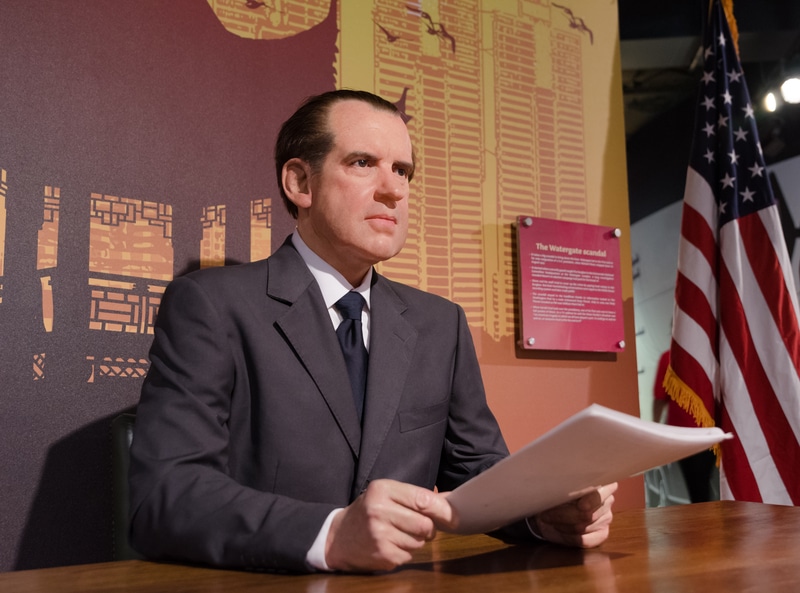

President Richard Nixon made of Wax. Wax figure Richard Nixon reading documents with american flag at desk | ID 59298060 © Lequint | Dreamstime.com
ID 59298060 © Lequint | Dreamstime.com

⬅ See all events from 8 September

Spread the word on your favourite platform!

1792: Five Days of Mob Killing End as the September Massacres Claim Half of Paris Prisons

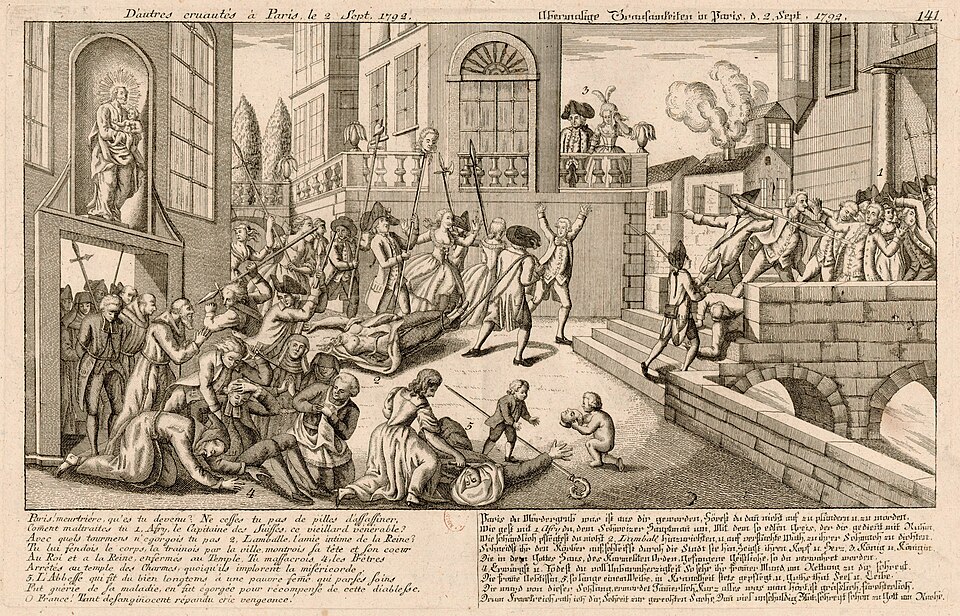
Over five days in September 1792, mobs stormed nine prisons across Paris and carried out mass summary executions of those held within. The killings were brutal in their indiscriminate reach: roughly half the prison population was slaughtered before the violence finally subsided.

An estimated three-quarters of the victims were not political prisoners at all, but common criminals, forgers, women, and children. The September Massacres remain one of the darkest episodes of the French Revolutionary period.

Engraving showing the massacre of Princess de Lamballe

⬅ See all events from 6 September

Spread the word on your favourite platform!

1901: Leon Czolgosz Shoots President McKinley at the Pan-American Exposition

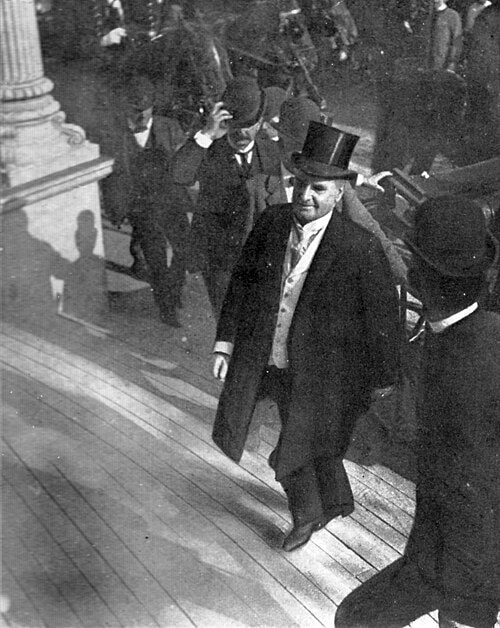
On September 6, 1901, President William McKinley was shot twice in the abdomen while shaking hands with the public at the Temple of Music during the Pan-American Exposition in Buffalo, New York. His attacker, 28-year-old Leon Czolgosz, was an anarchist who had lost his job in the Panic of 1893 and come to regard McKinley as a symbol of oppression. Despite appearing to recover initially, McKinley died on September 14 from gangrene caused by his wounds, becoming the third American president assassinated after Abraham Lincoln and James A. Garfield.

Czolgosz was convicted of first-degree murder within a month and executed by electric chair on October 29, 1901. McKinley was succeeded by Vice President Theodore Roosevelt. In the aftermath, Congress formally charged the Secret Service with protecting the president.

McKinley last photo
McKinley last photo

⬅ See all events from 6 September

Spread the word on your favourite platform!

1877: Crazy Horse Fatally Bayoneted at Fort Robinson

Crazy Horse, the celebrated Lakota war leader who had helped defeat George Custer at the Battle of the Little Bighorn just a year earlier, was fatally stabbed with a bayonet at Fort Robinson, Nebraska, on 5 September 1877. He was 36 years old.

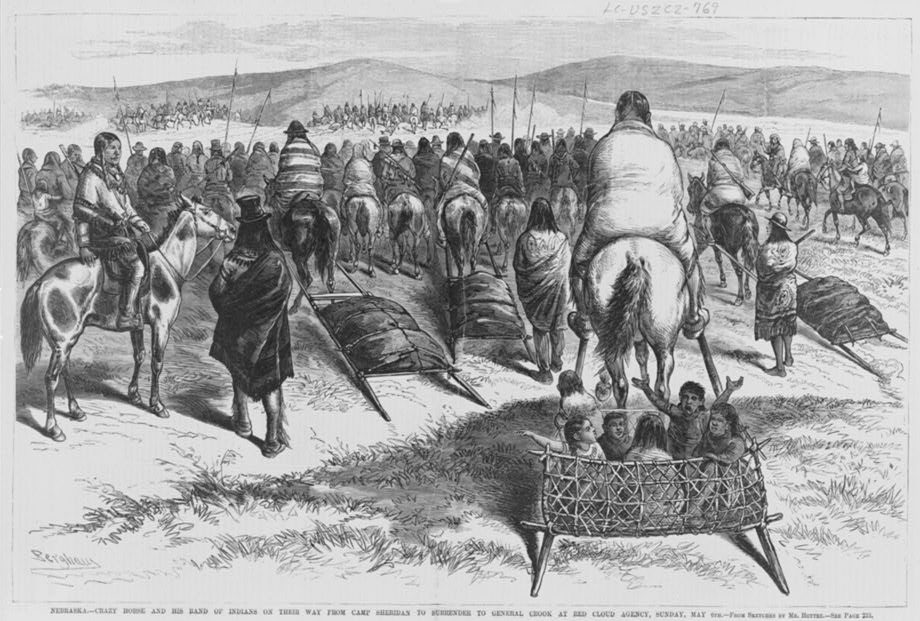
He had surrendered to U.S. Army forces earlier that year, ending years of armed resistance on the northern plains. Brought to the fort under the pretence of a meeting, he was seized and stabbed during a struggle, dying that night. The killing marked the end of one of the most formidable military careers in the history of the Lakota people.

Crazy Horse and his band of Indians on their way to surrender (1877)

⬅ See all events from 5 September

Spread the word on your favourite platform!
On This Day in True Crime History

Subscribe to Dark Stories

True crime stories, dark history and tour news, straight to your inbox.