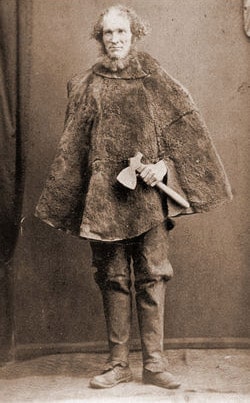
By 1866 Joseph Bolitho Johns, known as Moondyne Joe, was already the most persistent escapee Fremantle Prison had ever held. Free again in August after breaking out once more, he teamed up with two other escaped convicts and raided Everett’s store at Toodyay, a shopkeeper who had arrived on the very same convict transport as Joe, stripping it of boots, blankets, guns and ammunition to equip an overland trek all the way to Adelaide.
They made it 322 kilometres east of Perth before running out of luck at Bodallin Soak, recaptured on 29 September 1866, the escapade that first put the name Moondyne Joe into print. Back at Fremantle Prison, he was handed a further five years, two for the escape and three for the robbery, in a saga that would run for another three decades.
After 24 years, the case that haunted Perth came down to a single judge and a 619-page verdict. Bradley Edwards, a 51-year-old former Telstra technician, was found guilty of two of the three Claremont murders and not guilty of the third.
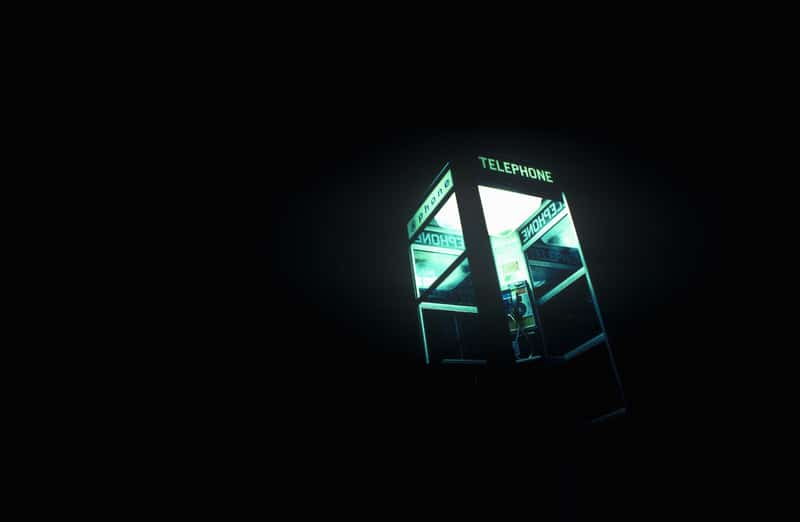
All three women vanished after nights out in Claremont, then one of the busiest nightspots in the city. Sarah Spiers, 18, called a taxi from a phone booth at 2.06 am in January 1996; when it arrived three minutes later, she was gone. Her remains have never been found, and although Edwards was acquitted of her murder, the judge found it more likely than not that he was involved in her disappearance. Jane Rimmer, a 23-year-old childcare worker, was last seen on security footage that June and was found 55 days later in bushland by a family picking wildflowers. Ciara Glennon, a 27-year-old lawyer, disappeared in March 1997 and was found 19 days later in scrub north of the city.
The hunt became the biggest, longest and most expensive investigation in Western Australian history. Thousands of taxi drivers were fingerprinted and DNA tested, 110 “persons of interest” were sent a questionnaire asking “Are you the killer?”, and a public servant was pursued as the prime suspect for a decade before being cleared.
Edwards had no known link to the case until his arrest in December 2016. DNA found under the fingernails of his final victim matched a kimono dropped by an intruder fleeing a suburban house in 1988, and fibres on both bodies matched the Telstra-issue station wagon he drove at the time. Tried without a jury over seven months and more than 200 witnesses, he was sentenced to life with a 40-year minimum, the judge noting a “high likelihood” that he would die in prison.
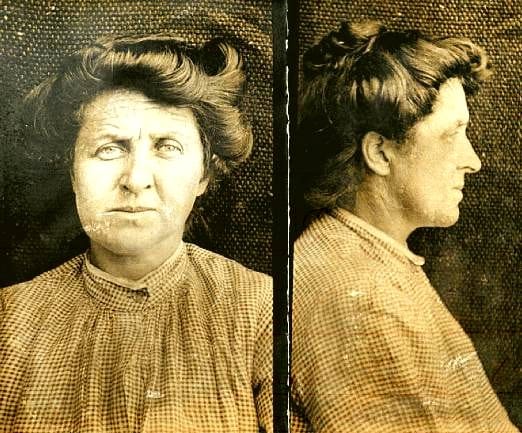
Martha Rendell, de facto wife of Thomas Nicholls Morris, was convicted in the Supreme Court of Western Australia at Perth of the wilful murder of her partner’s son, Arthur Joseph Morris, and sentenced to death by hanging. The court accepted that Thomas Morris had been unaware of what Rendell was doing until after the deaths of the children, and he was acquitted.
Acting Chief Justice Robert McMillan told the jury it was probably the most anxious case he had ever presided over, and voiced concern that newspaper coverage, might have prejudiced their judgement. Rendell maintained her innocence throughout, insisting she had only been treating the children for diphtheria.
Samuel Peters killed his wife Trevenna in their home at Leederville, a suburb of Perth, on the night of 3 July 1902. A neighbour heard a scream and Peters’s voice between 2 and 3am, but it was not until half past nine the next morning that the couple’s children raised the alarm. Mrs Peters was found lying in a pool of blood in her bedroom, badly injured, with no weapon in sight; Peters himself was discovered fully dressed and asleep in an adjoining room.
When the arresting constable woke him and told him his wife had been murdered, Peters answered flatly, “Me done it, and I am satisfied.”
At his trial, witnesses described a marriage marked by constant quarrelling. Peters had accused his wife of carrying on affairs with two men, Adams and Nicholas, and was said to have taken to calling her Mrs Adams in front of neighbours. The jury found him guilty and he was sentenced to death, later hanged at Fremantle Prison.
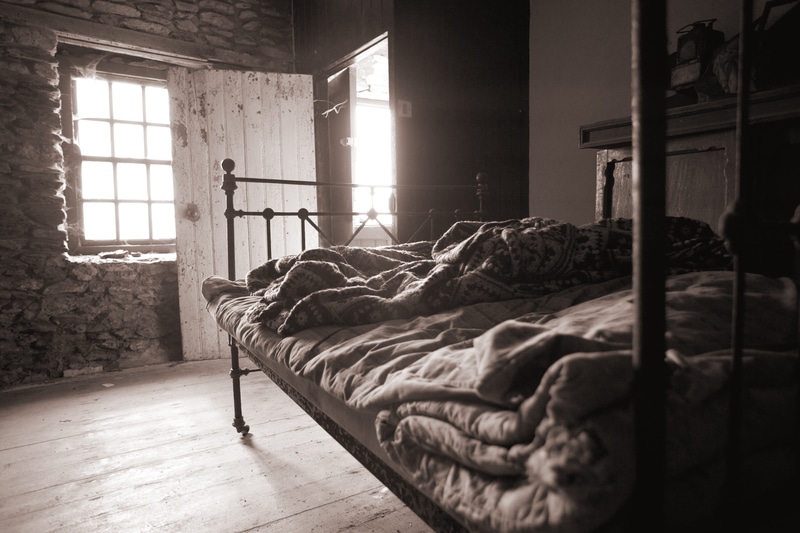
Old rustic bedroom with a metal-framed bed and rumpled blankets, sunlight streaming through an open door and a window in a stone-walled room.