1826: A Colonial Newspaper Pleaded for Mercy: Two Men Hanged at Hobart for the Murder of a Stock-Keeper

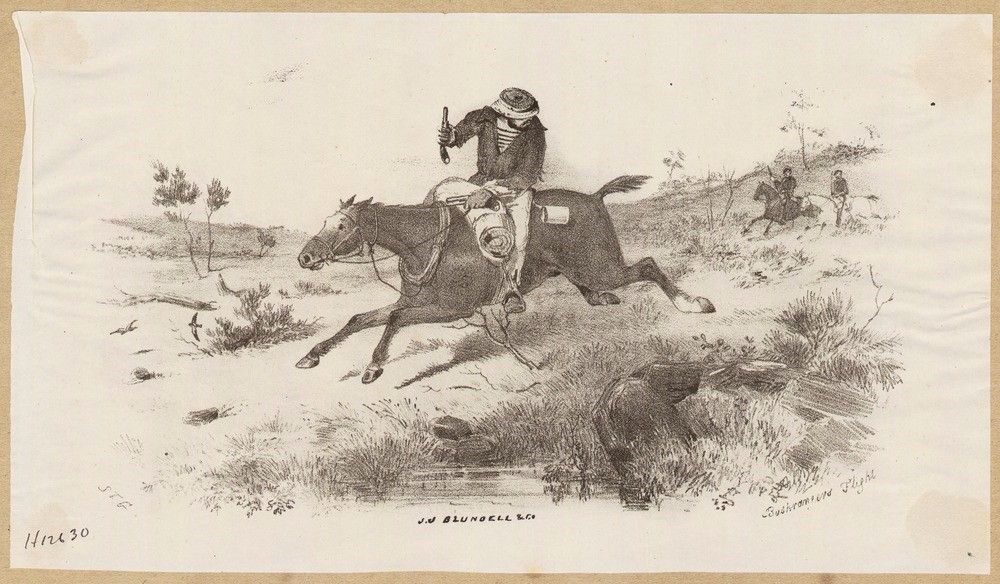
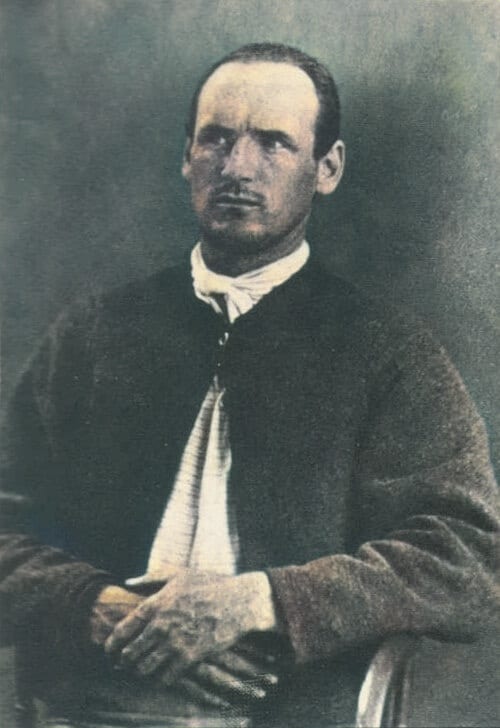
Thomas Colley, a stock-keeper at Oyster Bay in Van Diemen’s Land, was speared to death in 1826. Contemporary reports said the elder of the two Aboriginal men accused had concealed himself behind a fence, waited for his opportunity, then speared Colley. Both men were also charged in connection with the wounding of Colley’s employer.

Before trial, the elder man was reported to be suffering from leprosy and was kept apart from the other prisoners. During the hearing, he reportedly attempted to show that he did not understand English, although evidence was given that he spoke the language with reasonable ease.

Both men were convicted. At sentencing, one denied killing Colley and said the other man had thrown the spear, while his co-accused made no statement. Sentence of death was passed on 2 September 1826, and both men were hanged at Hobart on 13 September.

A contemporary newspaper questioned whether Aboriginal Tasmanians, with little or no knowledge of British law or Britain’s claim to their land, should be subjected to a legal system imposed by colonists. It also argued that the executions would have little deterrent effect, since other Aboriginal people were unlikely to witness them or even hear of them, and appealed for the condemned men’s lives to be spared.


Antique silver pocket watch resting on a vintage newspaper

⬅ See all events from 13 September

Spread the word on your favourite platform!

1897: “My Poor Boy, My Charlie”: A Mother’s Anguished Cry Before Her Son Was Hanged for Murder

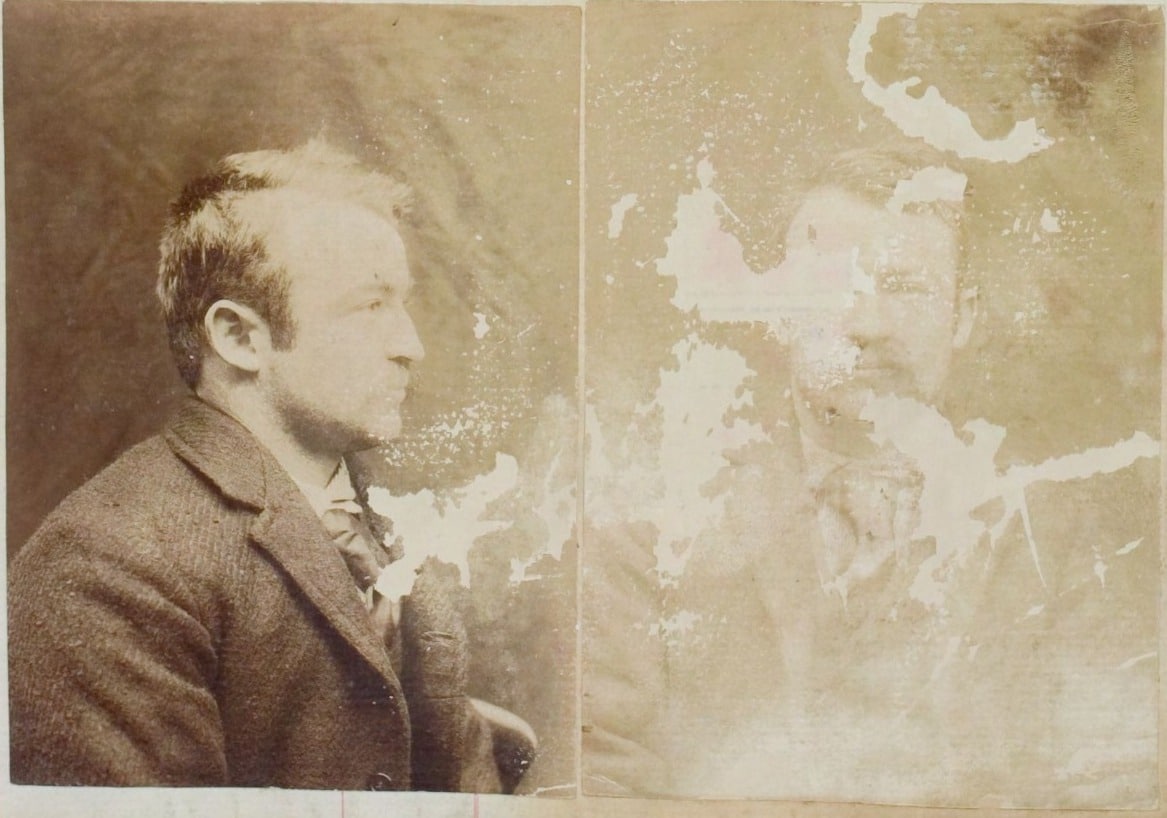
Charles John Hall murdered his wife Minnie at Eaglehawk, near Bendigo, on 11 February 1897. The crime shocked a district where Hall had been well known for very different reasons. A talented and athletic footballer nicknamed “John Bull,” he had been, according to one contemporary newspaper, “the idol of the hour” only a year earlier. He was convicted of Minnie’s murder and sentenced to death at Bendigo Gaol on 13 September 1897.

The night before, his parents were allowed a final visit, a scene warders later described as worse to witness than the hanging itself. His mother collapsed, shrieking through the gaol, “My poor boy, my Charlie,” before being carried to a cab and put to bed at home. Hall himself broke down during the visit. On the morning of his execution, he walked firmly to the scaffold and looked steadily at the hangman as the noose was fixed. Asked for his final words, Hall replied quietly, “I commit my soul to God.”

Outside the gaol a large crowd gathered, mostly women and children, with harsh feeling directed at Hall but deep sympathy for his grieving parents.

Charles John Hall, prisoner no. 27965, 1897. Public Record Office Victoria, VPRS 515/P0000, Central Register of Male Prisoners, Volume 51, p. 208. Out of copyright.

⬅ See all events from 13 September

Spread the word on your favourite platform!

1973: The Real Friday the 13th Killer: David McGreavy and the Murder of Three Children in Worcester

On Friday 13th September 1973, 20-year-old David McGreavy was left babysitting the three Ralph children in Worcester while their parents were out. He killed all three.

McGreavy then took a pick-axe to the bodies before impaling the remains on the wrought iron fence spikes of the house next door, where they were discovered by neighbours. The killings, carried out on the date now inseparable from bad luck and horror folklore, later fed the case’s grim nickname as Britain’s real life Friday the 13th murders. McGreavy was convicted and given three life sentences.

Friday the 13th
#image_title

⬅ See all events from 13 September

Spread the word on your favourite platform!

1982: A Death Row Killer for Hire: Bomb in the Radio Speaker

Serial killer Donald Gaskins, already condemned to die at Central Correctional Institution, murdered fellow death row inmate Rudolph Tyner using a homemade bomb built from C4 plastic explosive concealed inside a device disguised as a portable radio speaker. The device was passed to Tyner and detonated, killing him instantly.

Gaskins carried out the killing as a paid hit, hired for 2,000 dollars by Tony Cimo, the son of a couple Tyner had murdered years earlier. Cimo wanted revenge on his parents’ killer and used Gaskins, already notorious as one of South Carolina’s most prolific murderers, to get it from inside the prison itself.

Mobster planting a time bomb in a car engine compartment

⬅ See all events from 12 September

Spread the word on your favourite platform!
On This Day in True Crime History

Subscribe to Dark Stories

True crime stories, dark history and tour news, straight to your inbox.