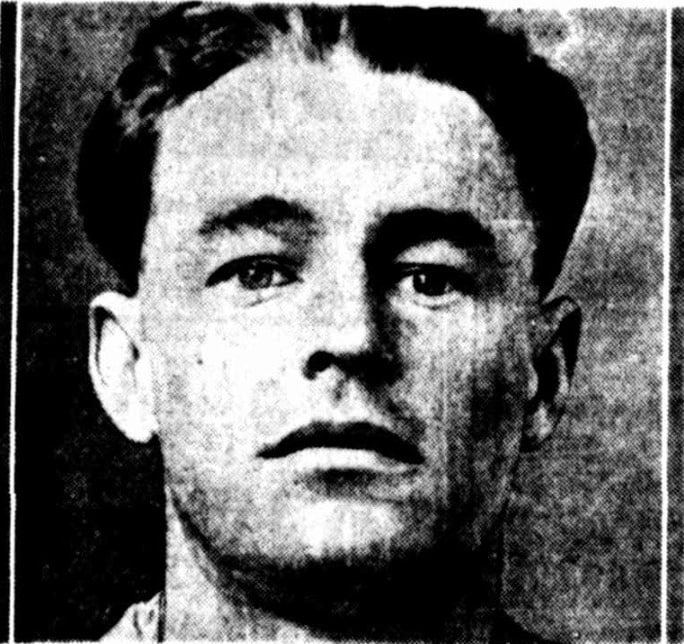
John Trevor “Jack” Kelly was found guilty of kidnapping on 23rd September 1937, and was sentenced to eighteen months’ imprisonment, with a recommendation that he undergo observation following concerns about lasting effects from a motor accident.
Released in November 1938, Kelly committed murder less than three months later. He stood trial before the same judge who had sentenced him for kidnapping, but this time he was sentenced to death, becoming the last prisoner executed in New South Wales.
On 22 September 1976, 36-year-old William Robert Wilson opened fire on Boundary Street in Spring Hill, a suburb of Brisbane. Armed with a .22-calibre rifle and 500 rounds of ammunition, he killed two teenage girls and wounded four other people. He had reportedly been upset after being rejected for membership by a model plane club.
Wilson then fled to a house in nearby Kelvin Grove and took five student teachers hostage. After around two hours of negotiations, one hostage escaped by pretending she needed the bathroom. Police stormed the house around 4pm, exchanging gunfire with Wilson before overpowering him and freeing the remaining captives.
Wilson spent three years in Hospital before being considered fit to plead. On 23 June 1980, he pleaded guilty to two murders and four attempted murders, receiving two life sentences and concurrent ten-year prison terms.
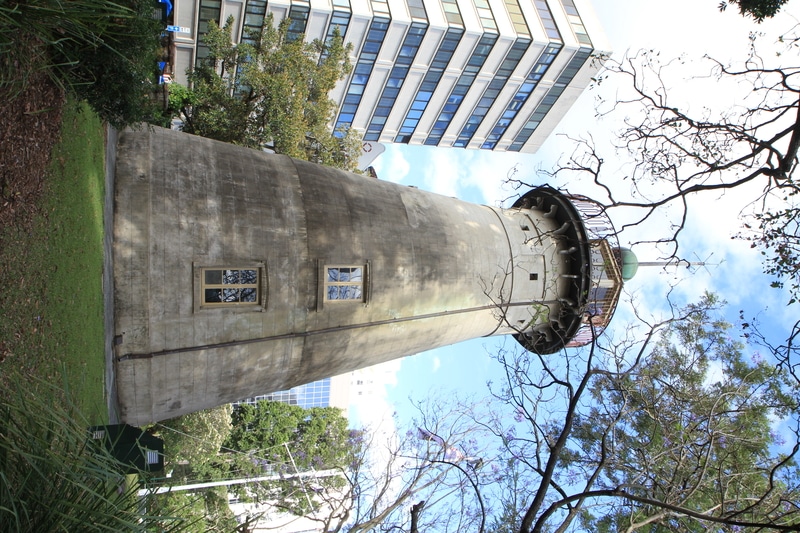
Old Windmill Brisbane, built by convicts at Moreton Bay penal settlement
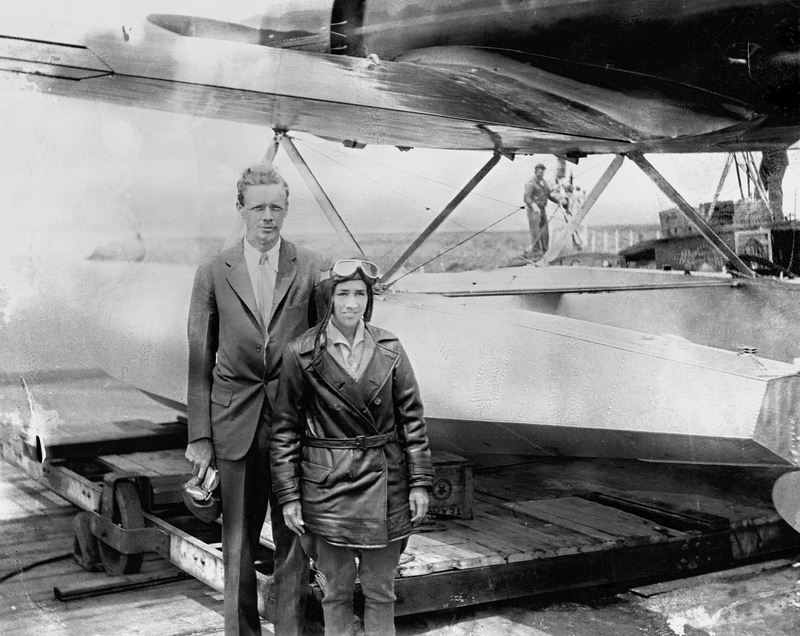
In March 1932, twenty month old Charles Lindbergh Jr, son of aviator Charles Lindbergh, was taken from his nursery in Hopewell, New Jersey, via a homemade ladder left beneath the window. A ransom of 50,000 dollars in gold certificates was paid, but the child's body was found in nearby woods weeks later.
On September 19, 1934, police arrested Bruno Richard Hauptmann, a German born carpenter, after one of the marked gold certificates surfaced at a petrol station and was traced back to him. Searchers found thousands of dollars of the ransom money hidden in his garage, and timber from the ladder was matched to a board missing from his attic floor.
Hauptmann was tried at Flemington, New Jersey, convicted of murder, and executed in the electric chair at Trenton State Prison in April 1936.
Hauptmann maintained his innocence to the end, reportedly refusing an offer to commute his sentence in exchange for a confession, and went to his death still denying any role in the kidnapping.
Patty Hearst, granddaughter of newspaper magnate William Randolph Hearst, was abducted from her Berkeley apartment in February 1974 by the self-styled Symbionese Liberation Army, a small but violent radical cell. Within weeks the group released tapes in which she renounced her family and adopted the nom de guerre Tania, and in April 1974 she was photographed wielding a rifle during the SLA's armed robbery of a Hibernia Bank branch in San Francisco.
For nineteen months Hearst remained with her captors turned comrades as the group moved between safe houses, evading one of the largest manhunts in FBI history. She was finally arrested in San Francisco on September 18, 1975, and later stood trial for bank robbery, where her defence argued she had been brainwashed and coerced.
Convicted despite that defence, Hearst was sentenced to prison, but her sentence was commuted by President Jimmy Carter and she was granted a full pardon by President Bill Clinton in 2001.
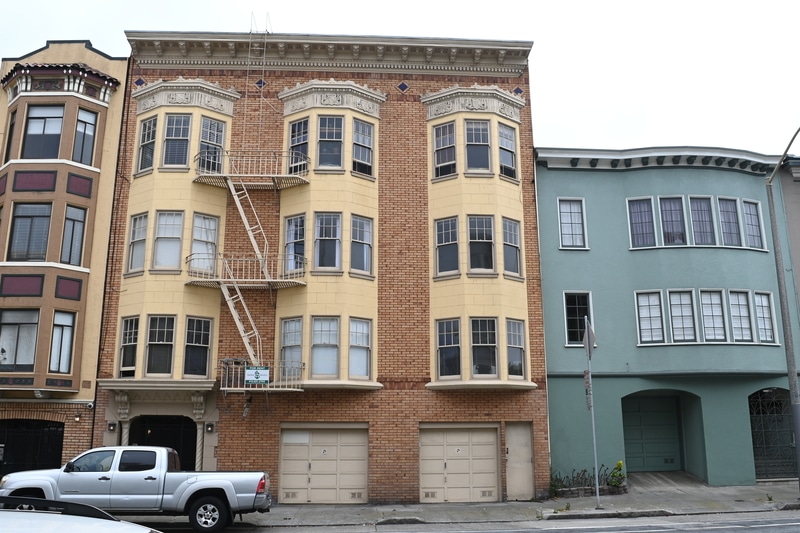
Patty Hearst hideout, Golden Gate Avenue, San Francisco