1934: The Lindbergh Baby Kidnapping: Bruno Hauptmann Arrested Two Years After America’s Crime of the Century

In March 1932, twenty month old Charles Lindbergh Jr, son of aviator Charles Lindbergh, was taken from his nursery in Hopewell, New Jersey, via a homemade ladder left beneath the window. A ransom of 50,000 dollars in gold certificates was paid, but the child’s body was found in nearby woods weeks later.

On September 19, 1934, police arrested Bruno Richard Hauptmann, a German born carpenter, after one of the marked gold certificates surfaced at a petrol station and was traced back to him. Searchers found thousands of dollars of the ransom money hidden in his garage, and timber from the ladder was matched to a board missing from his attic floor.

Hauptmann was tried at Flemington, New Jersey, convicted of murder, and executed in the electric chair at Trenton State Prison in April 1936.

Hauptmann maintained his innocence to the end, reportedly refusing an offer to commute his sentence in exchange for a confession, and went to his death still denying any role in the kidnapping.
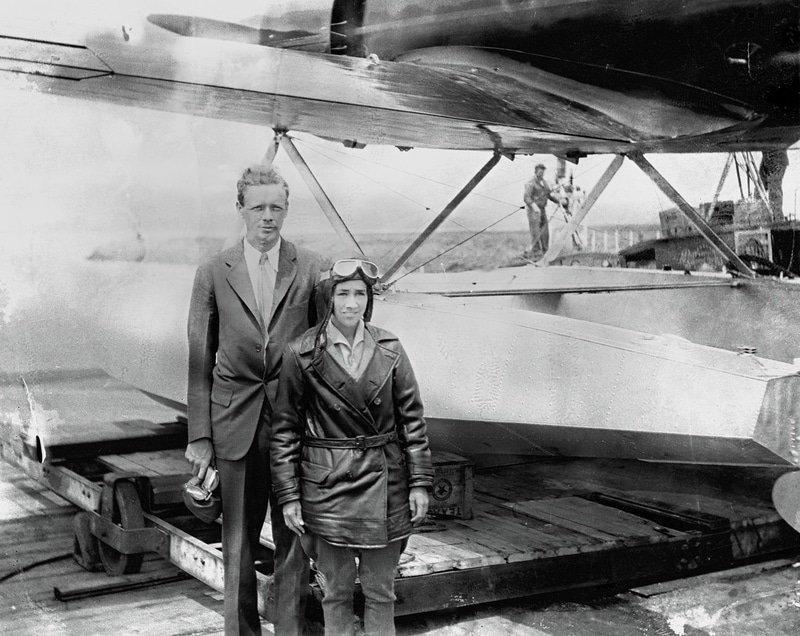

Charles A. Lindbergh , American Aviator. Famous American Aviator, Charles A. Lindbergh and wife, Anne Morrow Lindbergh at North Beach Airport ,Queens, NYC on June 8, 1931. HISTORIC PHOTO © PICTUREMAKERS LLC | ID 60332383 © Picturemakersllc | Dreamstime.com

⬅ See all events from 19 September

Spread the word on your favourite platform!

1975: The Hunt Ends: Patty Hearst, Newspaper Heiress Turned Fugitive, Captured by the FBI

Patty Hearst, granddaughter of newspaper magnate William Randolph Hearst, was abducted from her Berkeley apartment in February 1974 by the self-styled Symbionese Liberation Army, a small but violent radical cell. Within weeks the group released tapes in which she renounced her family and adopted the nom de guerre Tania, and in April 1974 she was photographed wielding a rifle during the SLA’s armed robbery of a Hibernia Bank branch in San Francisco.

For nineteen months Hearst remained with her captors turned comrades as the group moved between safe houses, evading one of the largest manhunts in FBI history. She was finally arrested in San Francisco on September 18, 1975, and later stood trial for bank robbery, where her defence argued she had been brainwashed and coerced.

Convicted despite that defence, Hearst was sentenced to prison, but her sentence was commuted by President Jimmy Carter and she was granted a full pardon by President Bill Clinton in 2001.

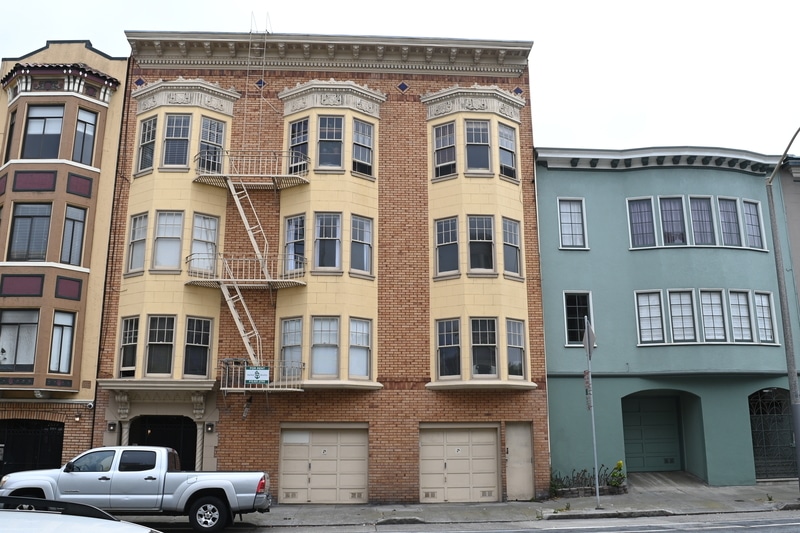
Patty Hearst hideout, Golden Gate Avenue, San Francisco

⬅ See all events from 18 September

Spread the word on your favourite platform!

2007: From Acquittal to Arrest: O.J. Simpson Held Over an Armed Raid on His Own Memorabilia in Las Vegas

On September 16, 2007, O.J. Simpson led a group of armed men into a room at the Palace Station Hotel and Casino in Las Vegas, seizing sports memorabilia he insisted had been stolen from him. He was arrested and charged with multiple felonies, including armed robbery and kidnapping, though he denied that anyone in his group had carried a weapon.

The case drew intense attention largely because of who Simpson was: the former football star had been famously acquitted in 1995 of the 1994 murders of Nicole Brown Simpson and Ronald Goldman, one of the most watched criminal trials in American history. More than a decade later, he found himself back in handcuffs, this time over a hotel room confrontation staged to reclaim items he believed were rightfully his.

Assorted vintage sports equipment including helmet and gloves

⬅ See all events from 16 September

Spread the word on your favourite platform!

1973: The Stockholm Bank Siege That Gave Psychology a New Term

On 28 August 1973, Swedish police ended a six-day hostage crisis at Sveriges Kreditbanken in Stockholm by pumping tear gas into the vault where captors and hostages had been confined since 23 August. The standoff concluded not with gratitude but with something far stranger: the hostages insisted on leaving alongside their captors, fearing police would open fire, and then embraced them warmly as the ordeal ended.

The behaviour baffled investigators and onlookers alike. A psychiatrist advising Swedish police coined the term ‘Stockholm syndrome’ to describe the paradoxical emotional bonds that had formed between the captives and the people holding them at gunpoint. The phrase entered the psychological lexicon and has since been applied to hostage situations around the world.

Stockholm Syndrome
Stockholm Syndrome

⬅ See all events from 28 August

Spread the word on your favourite platform!
On This Day in True Crime History

Subscribe to Dark Stories

True crime stories, dark history and tour news, straight to your inbox.