1789: The French State Seizes the Wealth of the Catholic Church

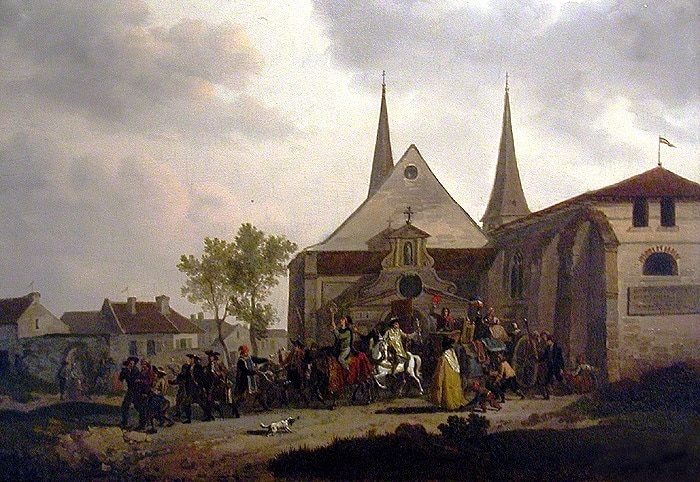
Revolutionary France did not just curb the power of the church, it stripped it bare. On this day in 1789, the National Assembly voted to confiscate all church property across the country: land, monasteries, cathedrals, religious artworks and sacred valuables, declaring it all now belonged to the nation.

The seized wealth was converted into assignats, paper currency issued against the value of the stolen assets, to drag the state out of crushing debt and fund the revolution itself. It was an audacious act of theft dressed as reform, one that permanently broke the financial independence of the Catholic Church in France and set the stage for the brutal persecution of clergy that followed in the years ahead.

This Day in True Crime History

⬅ See all events from 2 November

Spread the word on your favourite platform!

2002: The Steamer Trunk in the Closet: Ira Einhorn Convicted of Murdering Holly Maddux

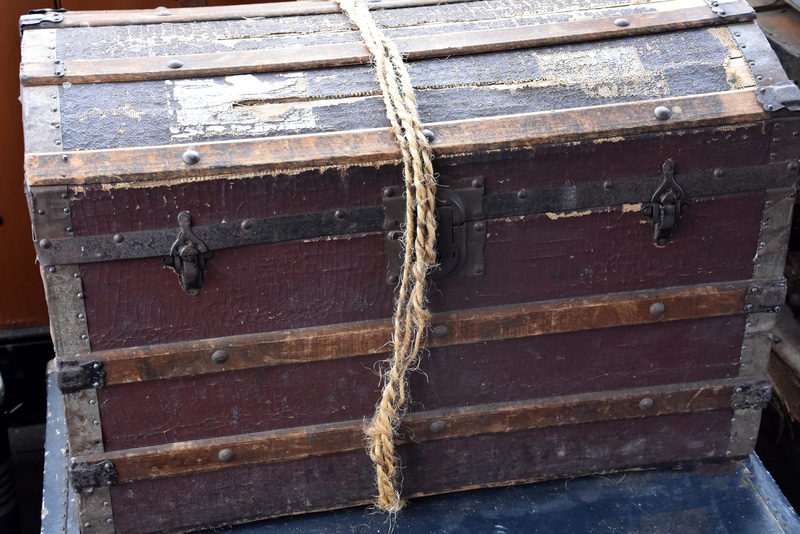
In 1979, Philadelphia police searching Ira Einhorn's apartment found a locked steamer trunk shoved into a closet; inside were the mummified remains of his former girlfriend, Holly Maddux, missing for more than a year. Einhorn, a charismatic countercultural figure known as the Unicorn Killer, fled the country before trial and spent nearly two decades hiding in Europe before he was finally captured in France.

Extradited to the United States, Einhorn stood trial in 2002 and took the stand in his own defense, insisting CIA agents had killed Maddux and framed him. The jury took just two hours to convict him of first-degree murder, and he was sentenced the following day to life in prison without the possibility of parole.

Vintage steamer trunk with secrets locked up tight.

⬅ See all events from 17 October

Spread the word on your favourite platform!

1793: The Queen Who Apologised to Her Executioner: the Execution of Marie Antoinette

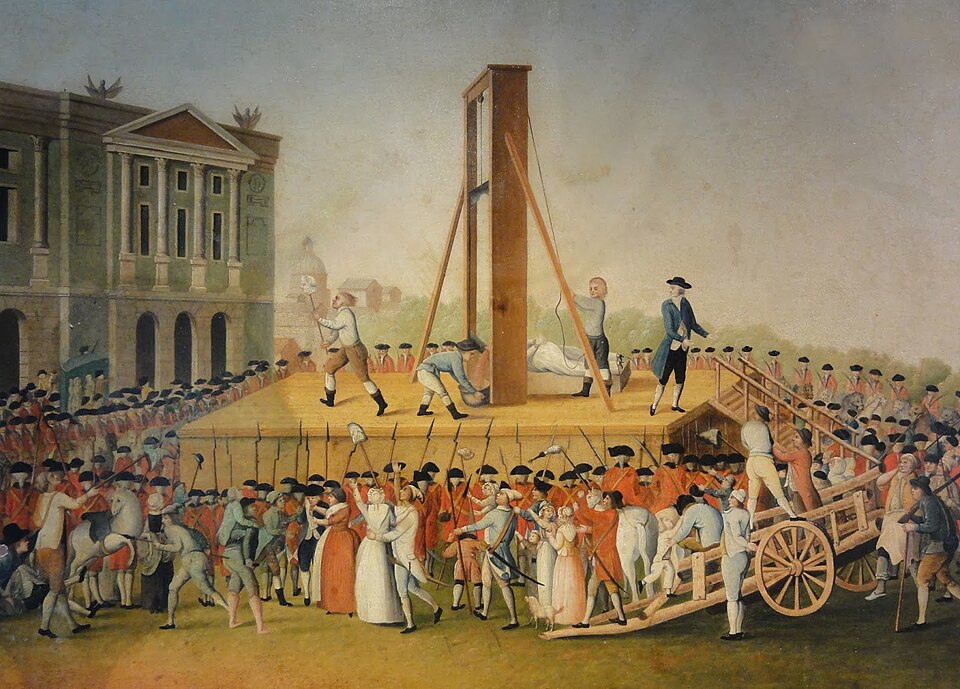
Nine months after her husband Louis XVI went to the guillotine, Marie Antoinette followed him, tried by the Revolutionary Tribunal for treason against the new French Republic. Her hair had been cropped and her wrists bound behind her back; she rode to the Place de la Revolution in an open cart, not the closed carriage that had carried the king. Witnesses recorded that climbing the scaffold she stepped on her executioner's foot and murmured an apology, a small, almost absurd courtesy moments before the blade fell on 16 October 1793. The crowd that had once cheered a queen watched in silence.

Marie Antoinette's execution in 1793

⬅ See all events from 16 October

Spread the word on your favourite platform!

1917: Mata Hari Executed by Firing Squad as a German Spy in Paris

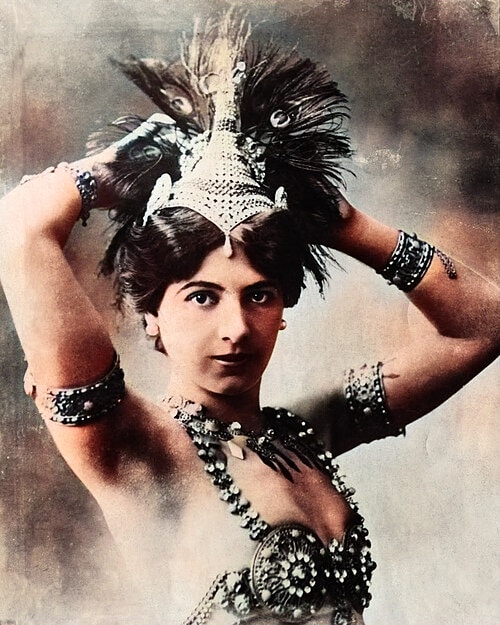
She was born Margaretha Zelle in the Netherlands and reinvented herself in Paris as Mata Hari, an exotic dancer whose stage act and string of wealthy, often military, lovers made her a sensation across Europe. When war came, French intelligence suspected she was selling pillow talk to Germany.

The evidence against her was thin and largely circumstantial, built on intercepted telegrams and a reputation for scandal rather than proof. A French military tribunal convicted her of espionage anyway, and she was executed by firing squad outside Paris on 15 October 1917.

She refused a blindfold and reportedly blew a kiss to the soldiers before they fired, going to her death still insisting she had never betrayed France.

Mata Hari - 1910
Mata Hari - 1910

⬅ See all events from 15 October

Spread the word on your favourite platform!
On This Day in True Crime History

Subscribe to Dark Stories

True crime stories, dark history and tour news, straight to your inbox.