2006: The Gainesville Ripper, Danny Rolling, Executed in Florida for a Weekend of Campus Murders

Danny Rolling earned the name the Gainesville Ripper after a four day rampage through student housing near the University of Florida in August 1990 left five young people dead. He mutilated and deliberately posed his victims, severing one woman’s head and placing it to face anyone who walked into the room. Police initially chased the wrong man, a troubled student named Edward Humphrey, whose grandmother collapsed and died on her own doorstep while fending off a reporter during the hunt.

Rolling later claimed an alter personality called Gemini had driven him to kill, a story investigators quickly dismissed after learning he had watched a film featuring a killer of that exact name days earlier. He pleaded guilty before trial and was sentenced to death. On this day in 2006 he was executed by lethal injection at Florida State Prison, having eaten a last meal of lobster tail and sung a gospel hymn.

Shortly before his execution Rolling handed authorities a written confession admitting to an earlier unsolved triple murder in Shreveport, Louisiana, but made no final statement on the gurney itself.
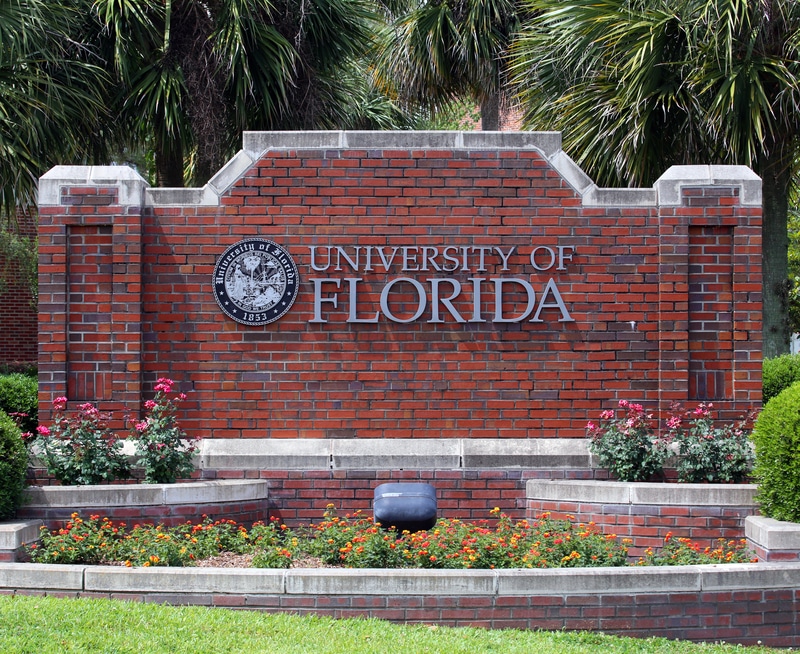

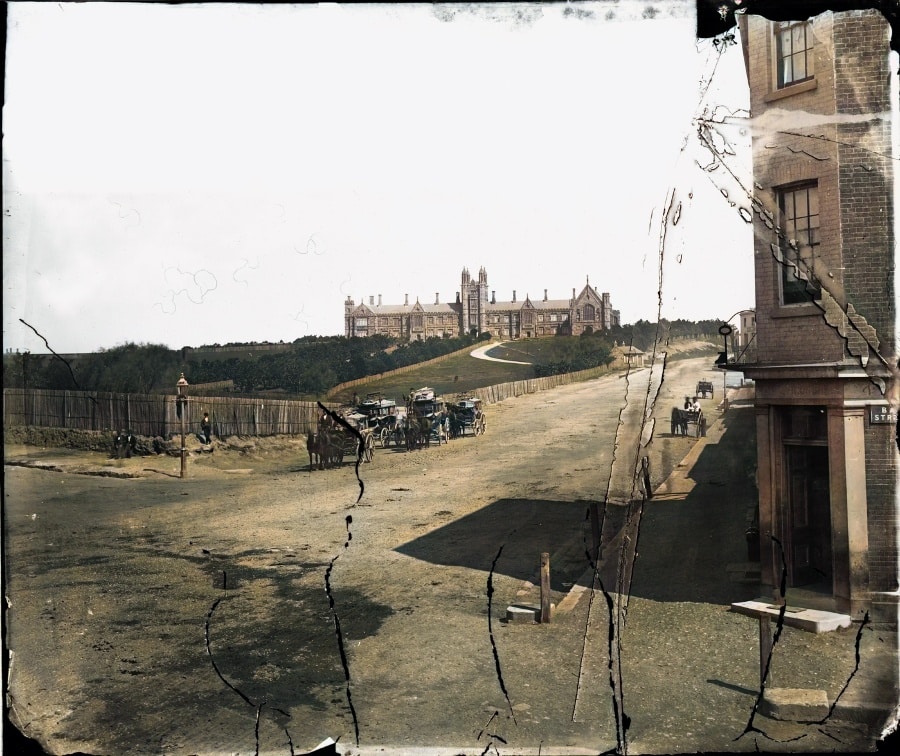
Gainesville, FL, USA - May 11, 2016: An entrance to the University of Florida. The University of Florida is a public research university located in Gainesville, Florida. | ID 76208519 © Wellesenterprises | Dreamstime.com
ID 76208519 © Wellesenterprises | Dreamstime.com

⬅ See all events from 25 October

Spread the word on your favourite platform!

1853: Sentenced to Hang in Launceston, a Convicted Stabber Learned He Had Inherited a Fortune

A drunken brawl at a Launceston public house turned deadly when William Brown, also known as Stockton, drew a knife and stabbed a man named James Stephens. The wounds were serious enough that a doctor testified to their severity at trial, and Brown was convicted of stabbing with intent to kill and sentenced to death, with no hope of mercy.

While he lay under sentence in Launceston gaol, word reached him that a relative back in England had left him a sum of money. Rather than let the inheritance go to waste, Brown arranged to bequeath it to a servant who had once worked alongside him as a splitter and sawyer on a property near the East Tamar. He was hanged on this day in 1853, his strange act of generosity settled just before the sentence was carried out.

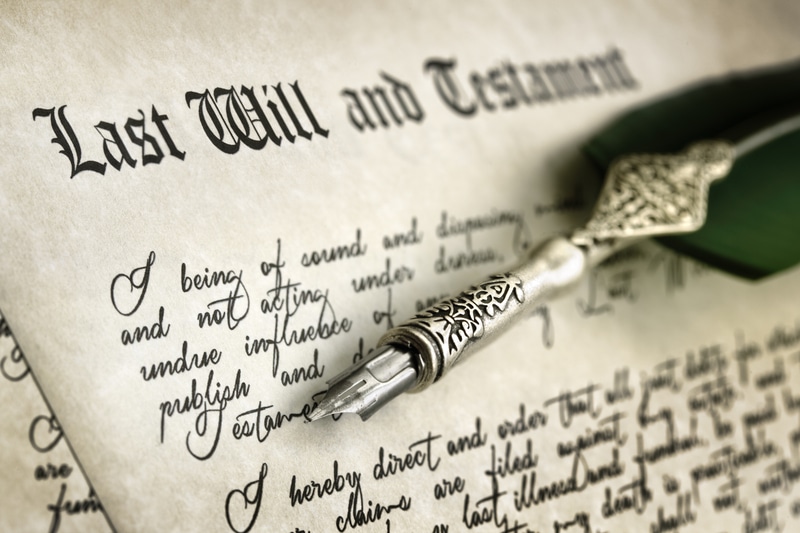
Signing a last will and testament document with quill pen

⬅ See all events from 25 October

Spread the word on your favourite platform!

1853: “Thank You, My Lord, I Am Very Glad of That Sentence”: Bushrangers Hanged in Melbourne

Henry Bradley and Patrick O’Connor absconded from assigned service in northwestern Tasmania and broke into a settler’s homestead on the night of 14 September 1853, tying up the household room by room. When the owner escaped through a window, the pair turned on his young relation, Alfred Phillips, and shot him dead as he begged them to spare the women and children.

To vanish from the island, they forced the crew of the schooner Sophia to sea at gunpoint, keeping a hostage tied to the mast until they reached Victorian waters. There they kept robbing, wounding one man near Brighton, until a police patrol cornered them near Kilmore. In the gunfight that followed, Bradley and O’Connor shot mounted Cadet Thompson through the chest; captured the next day after a second running battle, they boasted to their captors of already having killed six people back in Van Diemen’s Land.

Convicted of shooting Thompson, both men were hanged together in Melbourne on 24 October 1853.

On the scaffold, Bradley said he was willing to die and had already dictated a letter confessing the full extent of his crimes; O’Connor remained defiant to the end, refusing to join seriously in the priest’s prayers.

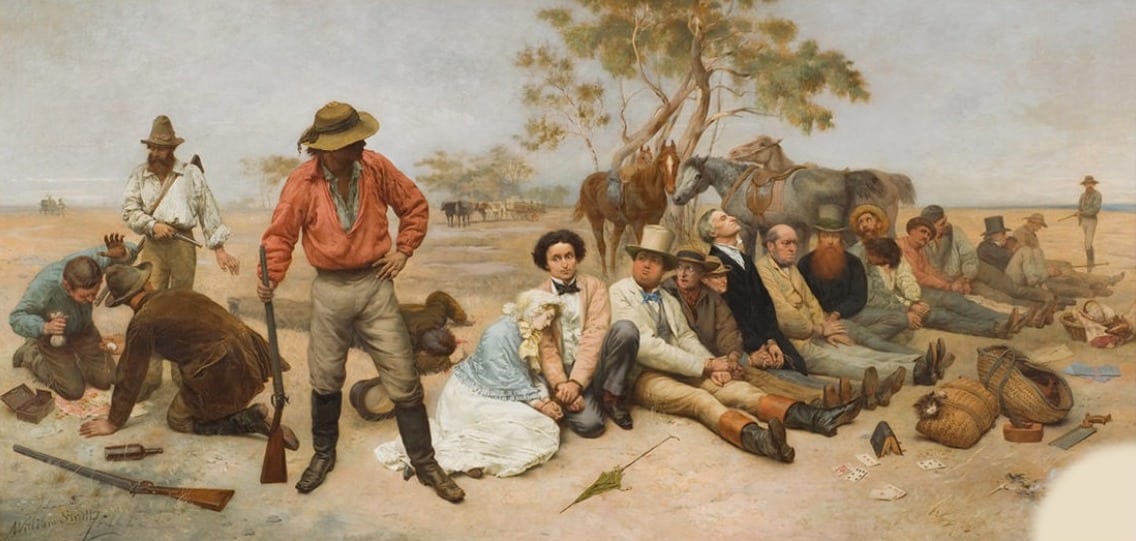
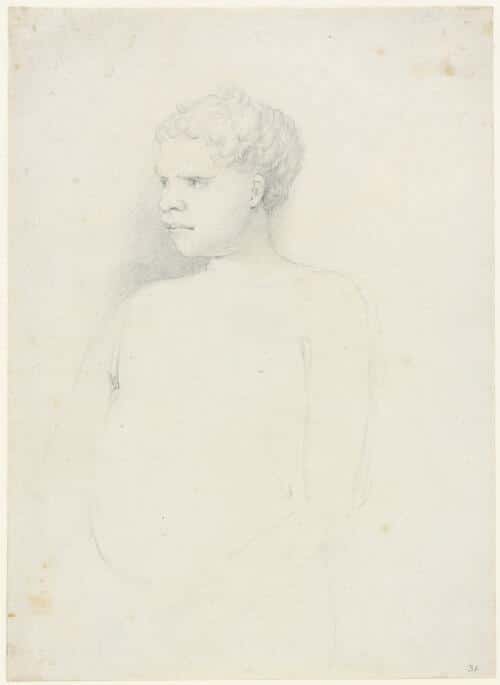
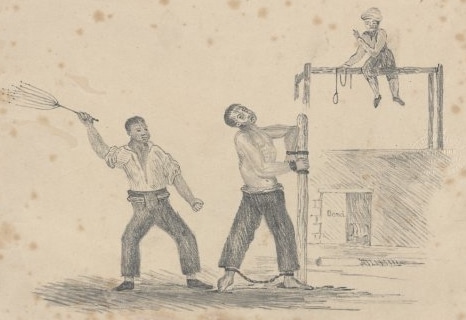
Bushrangers working sketches State Library Victoria

⬅ See all events from 24 October

Spread the word on your favourite platform!

1884: He Swore to Shoot Whoever Bought His Farm, and Kept His Word: Hanged in Melbourne

William O’Brien lost his Lancefield farm when the Commercial Bank foreclosed on his mortgage, and he swore to shoot whoever dared buy it next. Two years later, farmer Peter McAinsh took up the land anyway. On 24 July 1884, McAinsh left a local hotel for the walk home and was found dead on a dark road, shot in the head and groin, a bottle of gin still cradled under his arm.

Suspicion fell on O’Brien at once. Aboriginal trackers brought in from Queensland followed boot prints from the murder scene straight to his hut and back again, while a recently fired gun and matching shot were found inside. After a five-day trial, he was convicted and sentenced to death.

O’Brien was hanged in Melbourne on this day in 1884. The night before, he thanked the gaol staff for their kindness, warning he might be nervous on the drop; on the scaffold, asked if he had anything to say, he answered only “nothing” and bowed his head before the bolt was drawn.

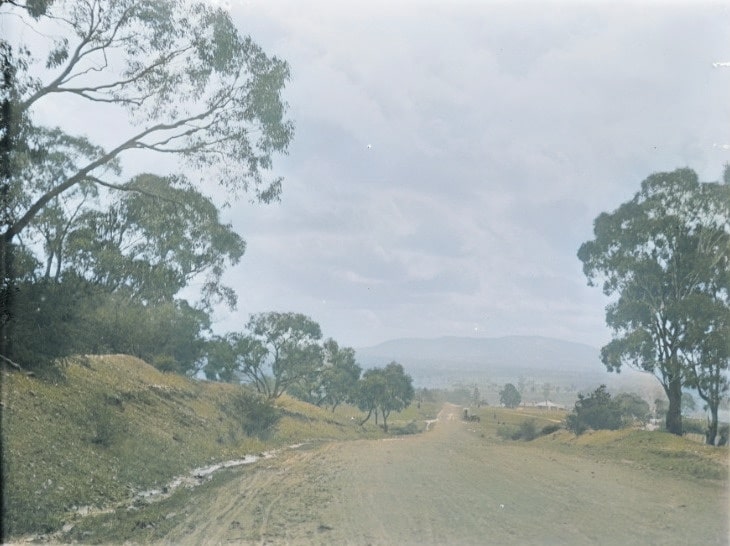
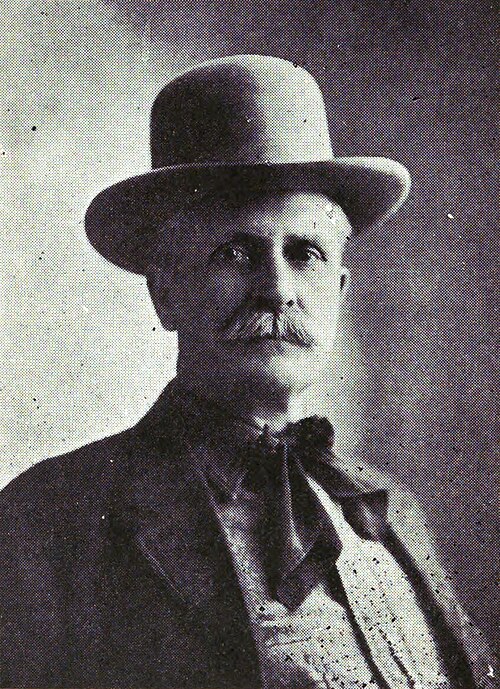
Unidentified country road rural Australia early 1900s photograph

⬅ See all events from 24 October

Spread the word on your favourite platform!
On This Day in True Crime History

Subscribe to Dark Stories

True crime stories, dark history and tour news, straight to your inbox.