1866: The Sussex Street Mystery: A Dog Walk Leads to a Severed Head in Sydney

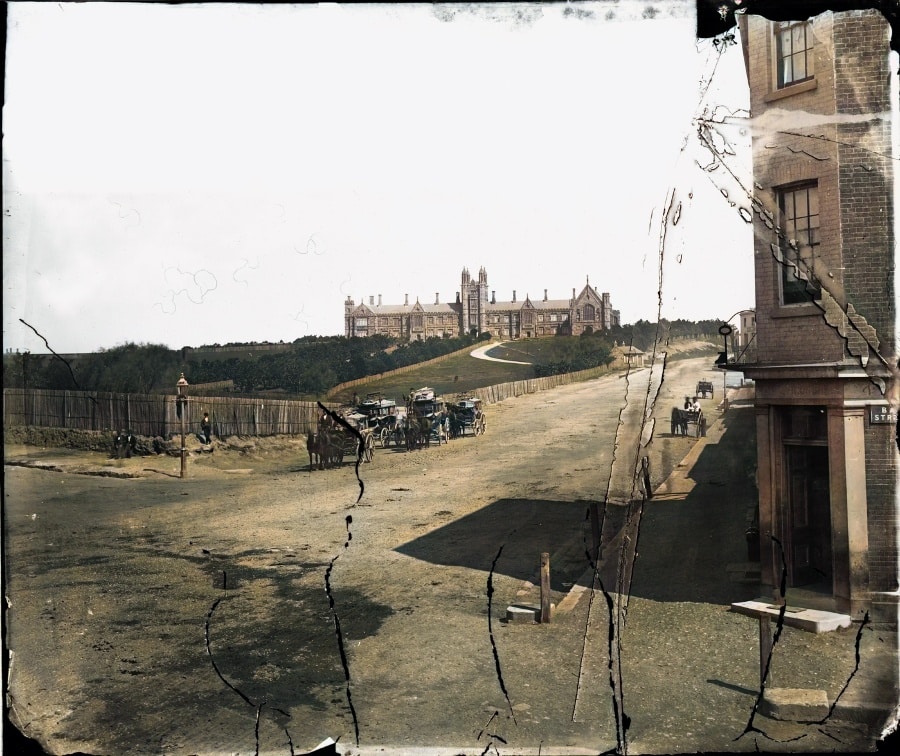
Eleven-year-old James Kirkpatrick was walking his dog behind Sussex Street in Sydney in September 1866 when he stumbled on a woman’s severed head half buried in a rubbish heap near Ebsworth’s tweed factory and Barker’s flour mills. Nearby lay her torso, its chest cavity completely emptied and the lower ribs charred. Despite police turning the rubbish heap over three times and combing the neighbourhood, no other body parts were ever recovered.

The case became known as the Sussex Street Mystery and gripped the colony as police pieced together the killing. It ended with the conviction and execution of a butcher, William Henry Scott, for the murder, making it one of colonial Australia’s most sensational and gruesome murder cases.


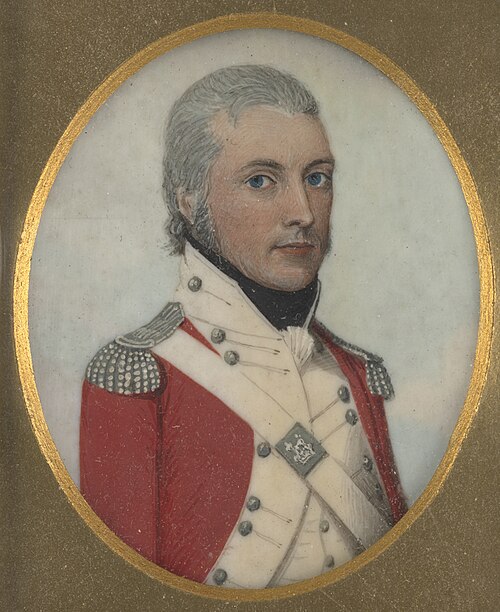
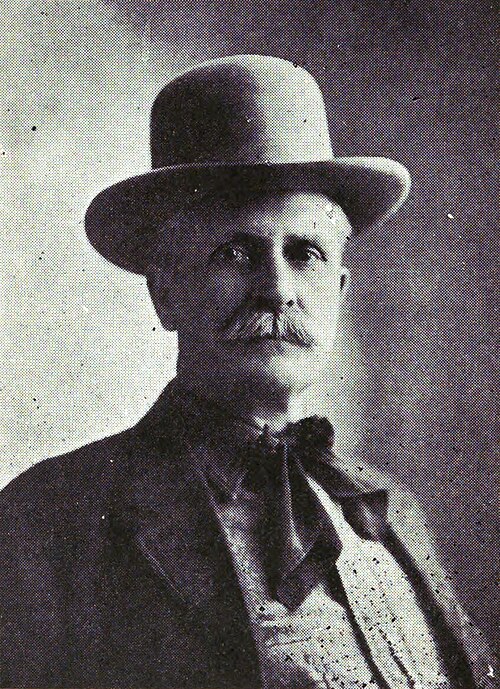
William Henry Scott under sentence of death 1867
William Henry Scott under sentence of death 1867 for murder most foul

⬅ See all events from 15 September

Spread the word on your favourite platform!

1828: The Tunnel Under Sydney: Australia’s First Great Bank Robbery

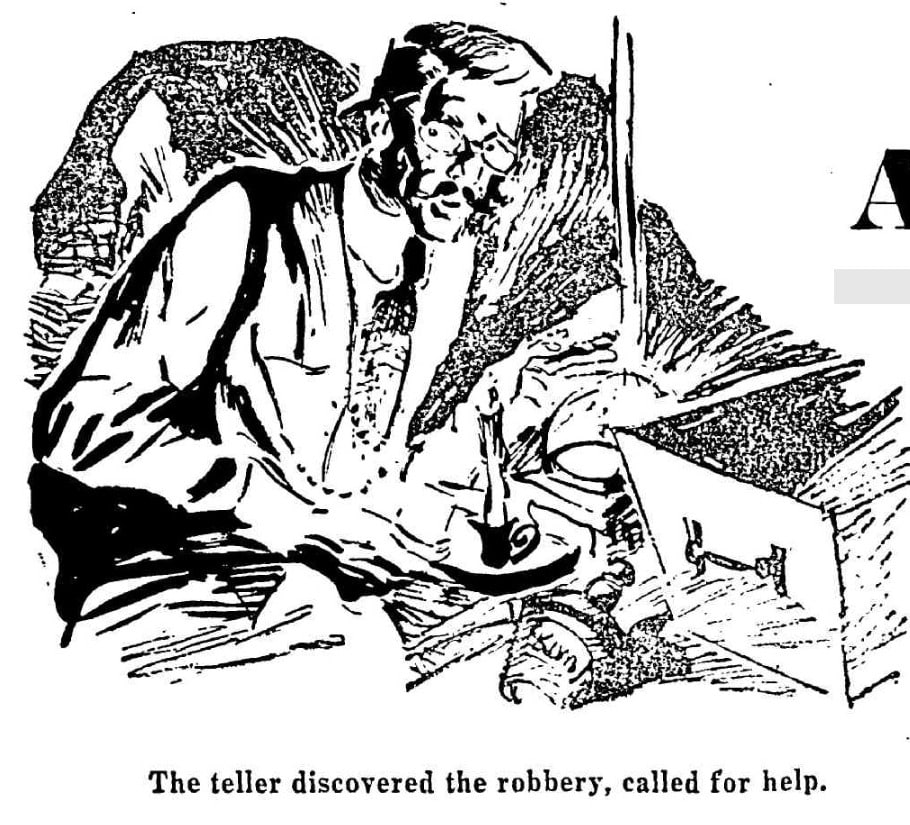
On the night of 14 September 1828, thieves broke into the Bank of Australia in Sydney. A teller arriving the next morning found the strongroom breached.

Thieves had tunnelled through a drain on the opposite side of the street, burrowed underground, and cut through a foundation wall between five and nine feet thick, work that would have taken at least three to four weeks to complete. They made off with 12,000 to 14,000 pounds in cash and property, a sum worth a small fortune today.

For two and a half years the robbers evaded capture, even as some of the stolen notes began surfacing in circulation and officials issued repeated warnings against using them. The case only broke when one of the gang was sentenced to 14 years on Norfolk Island for an unrelated highway robbery in 1829. Nearly a year into that sentence, he accepted the Governor’s offer of a pardon and confessed, naming his accomplices: one of whom had fled to Ireland, another who had since died, and three more who joined him on Norfolk Island.

Not all the stolen money was recovered. Rumour has long held that boxes of coins from the robbery remain buried near the water’s edge on Sydney’s North Shore.

Discovering the robbery.

⬅ See all events from 14 September

Spread the word on your favourite platform!

1862: A Slipped Mask Gives Away a Bushranger

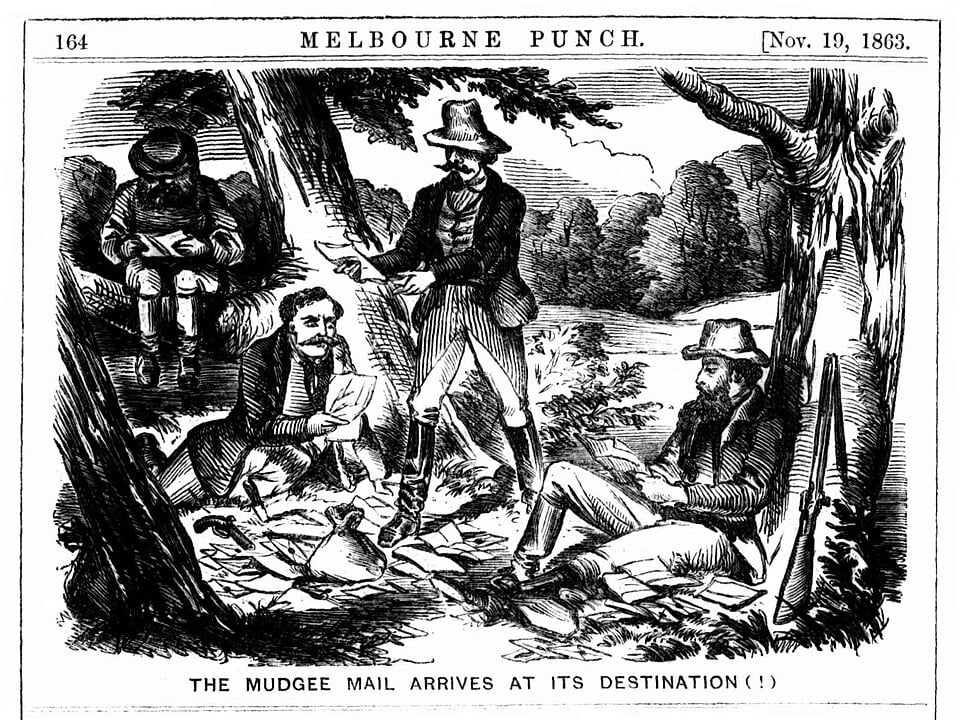
On 14 September 1862, two bushrangers robbed a mailman near Mudgee in New South Wales. They let him keep his sixpence and his pipe. His horse and the mail went with them.

But one robber gave himself away when his crepe mask slipped. The mailman caught a glimpse of his face and believed he could identify him as the infamous bushranger Fred Lowry.

The mail run offered little chance of real profit. Some suspected the hold-up was a decoy to draw police away from a bigger job. News of an armed horse robbery nearby fed the theory, though the report established no connection.

Less than a year later, Lowry died after being shot by police. He reportedly asked that his brother-in-law be told “Tell ’em I died game”.

Mudgee Mail Delivery

⬅ See all events from 14 September

Spread the word on your favourite platform!

1863: The Escape-Proof Prison That Wasn’t: Captain Thunderbolt Breaks Out of Cockatoo Island

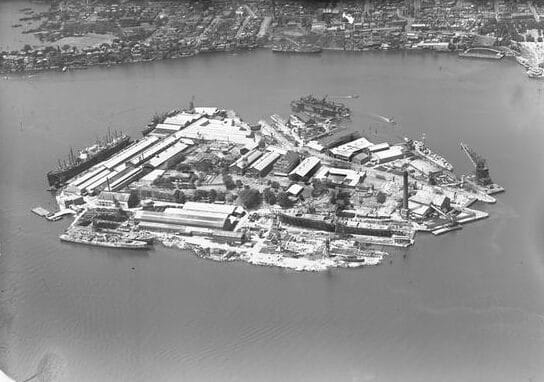
Frederick Wordsworth Ward, the bushranger known as Captain Thunderbolt, was serving time on Sydney‘s Cockatoo Island, a prison ringed by harbour currents and sheer sandstone cliffs and widely declared impossible to escape. On the night of 11 September 1863, Ward slipped his cell and plunged into the water, swimming through the cold, shark infested harbour to the mainland shore.

The breakout humiliated colonial authorities and turned Ward into a folk figure almost overnight. He spent the next seven years roaming the bush of northern New South Wales, robbing coaches, inns and travellers as one of the colony’s most enduring and elusive bushrangers before he was finally shot dead by police near Uralla in 1870.

Cockatoo Island, Sydney, 1951. Photograph by Frank Hurley. National Library of Australia, PIC FH/7951. Out of copyright.

⬅ See all events from 11 September

Spread the word on your favourite platform!
On This Day in True Crime History

Subscribe to Dark Stories

True crime stories, dark history and tour news, straight to your inbox.