1917: Tilly Devine Marries an Australian Soldier in London, Sealing a Turbulent Union

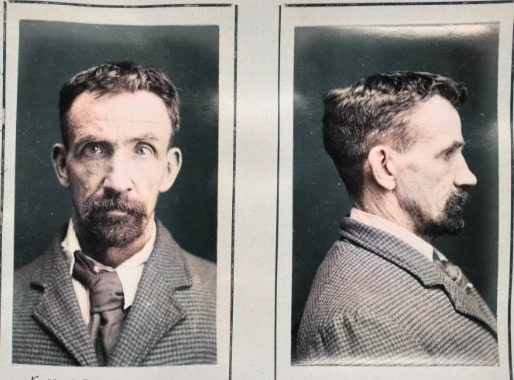
Matilda Twiss, born in Camberwell, London in 1900, married James Edward Devine, an Australian soldier serving in World War I, on 12 August 1917. Jim Devine, known as ‘Big Jim’, was a Victorian-born digger with a reputation for being sour and quick-tempered; Tilly was vivacious and already working as a prostitute. The pair were opposites in almost every way.

Tilly followed Jim to Sydney after the war, arriving in February 1920 and quickly building a criminal empire centred on Darlinghurst and Kings Cross. As the self-styled Queen of Woolloomooloo, she became one of the most notorious figures in the razor gang wars of the late 1920s and early 1930s. The marriage lasted 25 years before ending in divorce in 1943.
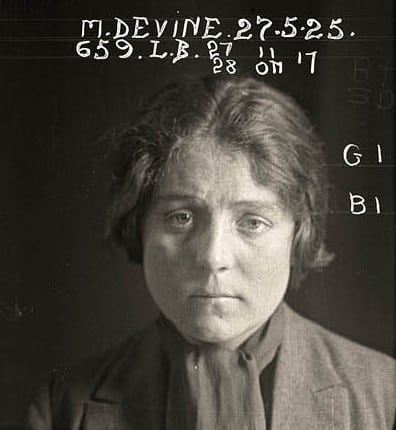

Portrait of Tilly Devine in 1925

⬅ See all events from 12 August

Spread the word on your favourite platform!

1969: The Manson Family Kills to Ignite an Apocalyptic Race War

In the early hours of 9 August 1969, members of Charles Manson’s Family carried out the Tate murders at 10050 Cielo Drive in Los Angeles, leaving five dead. The killings were the first act in what Manson called Helter Skelter, an apocalyptic race war he had been prophesying since at least New Year’s Eve 1968, drawing on the Book of Revelation and the Beatles’ 1968 White Album. Manson believed the murders, staged to look like the work of Black militants, would ignite a war between the races from which the Family would emerge as rulers.

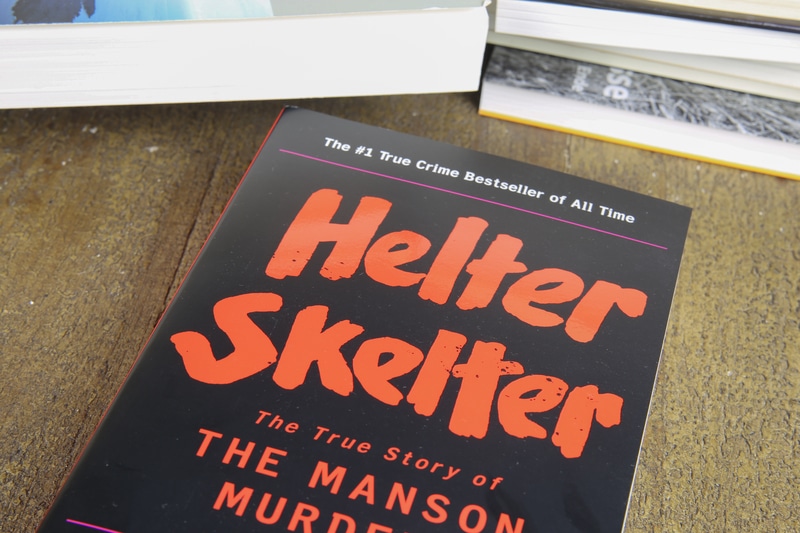
At trial, prosecutor Vincent Bugliosi used the testimony of Family member Paul Watkins to reconstruct the vision in full. Bugliosi later detailed the case in his 1974 book, Helter Skelter: The True Story of the Manson Murders. Manson and three co-defendants were convicted on all charges of conspiracy and murder, though some writers, detectives, and even participants have since argued the killings were also driven by copycat motives or revenge for a bad drug deal.

Viersen, Germany - May 9. 2020: View on isolated book cover about story of manson murders with pile of books background | ID 197949551 © Ralf Liebhold | Dreamstime.com
ID 197949551 © Ralf Liebhold | Dreamstime.com

⬅ See all events from 9 August

Spread the word on your favourite platform!

1963: The Great Train Robbery Nets 2.6 Million Pounds in a Single Night

In the early hours of 8 August 1963, a gang of fifteen robbers, led by Bruce Reynolds, stopped the Glasgow-to-London Royal Mail train at Bridego Railway Bridge, Ledburn, Buckinghamshire. Acting on inside information from a senior Royal Mail security officer known only as ‘The Ulsterman’, they had tampered with trackside signals to halt the train. Driver Jack Mills was struck over the head with a metal bar and suffered serious, lasting injuries. The gang made off with 2.61 million pounds, then equivalent to around 64 million in 2024 values.

The robbers hid at Leatherslade Farm, 27 miles from the scene, but police found the hideout. A Monopoly board covered in fingerprints proved to be their undoing. Gang members including Gordon Goody, Buster Edwards, Charlie Wilson, Ronnie Biggs, and others were arrested and convicted. The ringleaders received 30-year sentences. The bulk of the stolen money was never recovered.

Great Train Robbery - Bank Holiday Windfall
Great Train Robbery – Bank Holiday Windfall

⬅ See all events from 8 August

Spread the word on your favourite platform!

1919: The Fitzroy Vendetta Erupts: Shots Fired into a Sly-Grog Shop, Squizzy Taylor Acquitted

On the night of 5 August 1919, shots were fired into a sly-grog shop at 31 Fleet Street, Fitzroy, wounding three people: Minnie Clarke, Dick Paget, and James Darcy. All three were treated at St Vincent’s Hospital and all three refused to speak to police. The attack was part of the bloody Fitzroy Vendetta, a running war between Richmond and Fitzroy underworld factions that had left a trail of shootings across Melbourne.

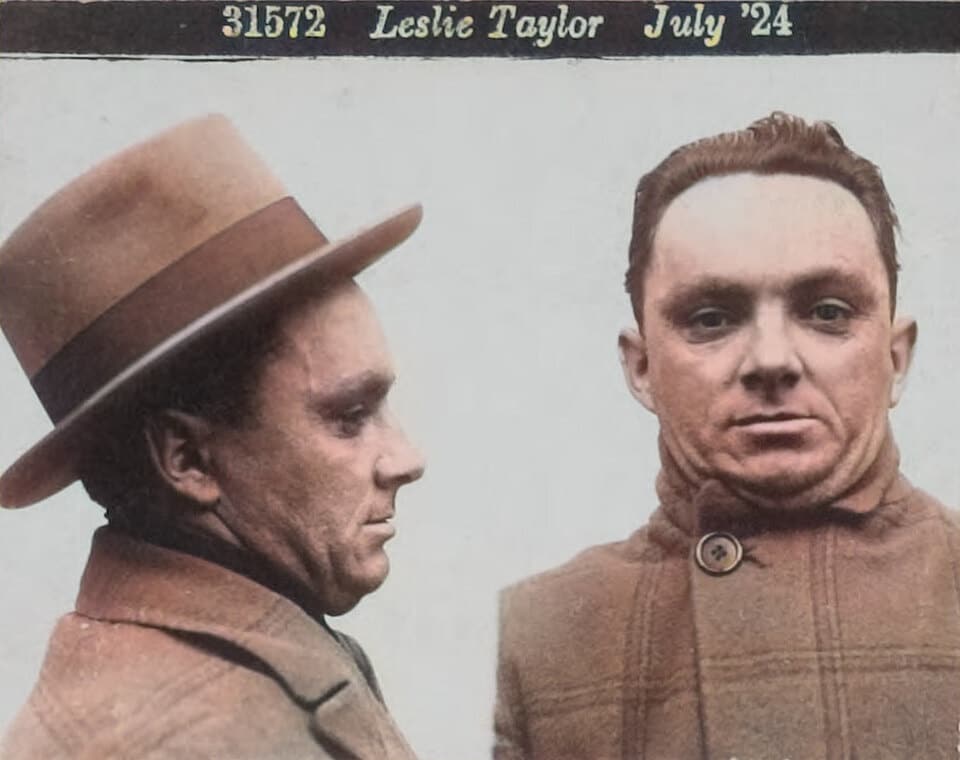
Police observed Leslie “Squizzy” Taylor and two other men leave the area by motor-car in the early hours and arrested him the following day in Bourke Street. At the Fitzroy Court, witnesses including a horse trainer, a miner, and a bookmaker’s clerk all placed Taylor inside a nearby house at the time of the shooting. The bench acquitted him. It was a result that would define his career: ten prior convictions, a reputation as a sneak thief and companion of thieves, and a courtroom that could never quite catch him.

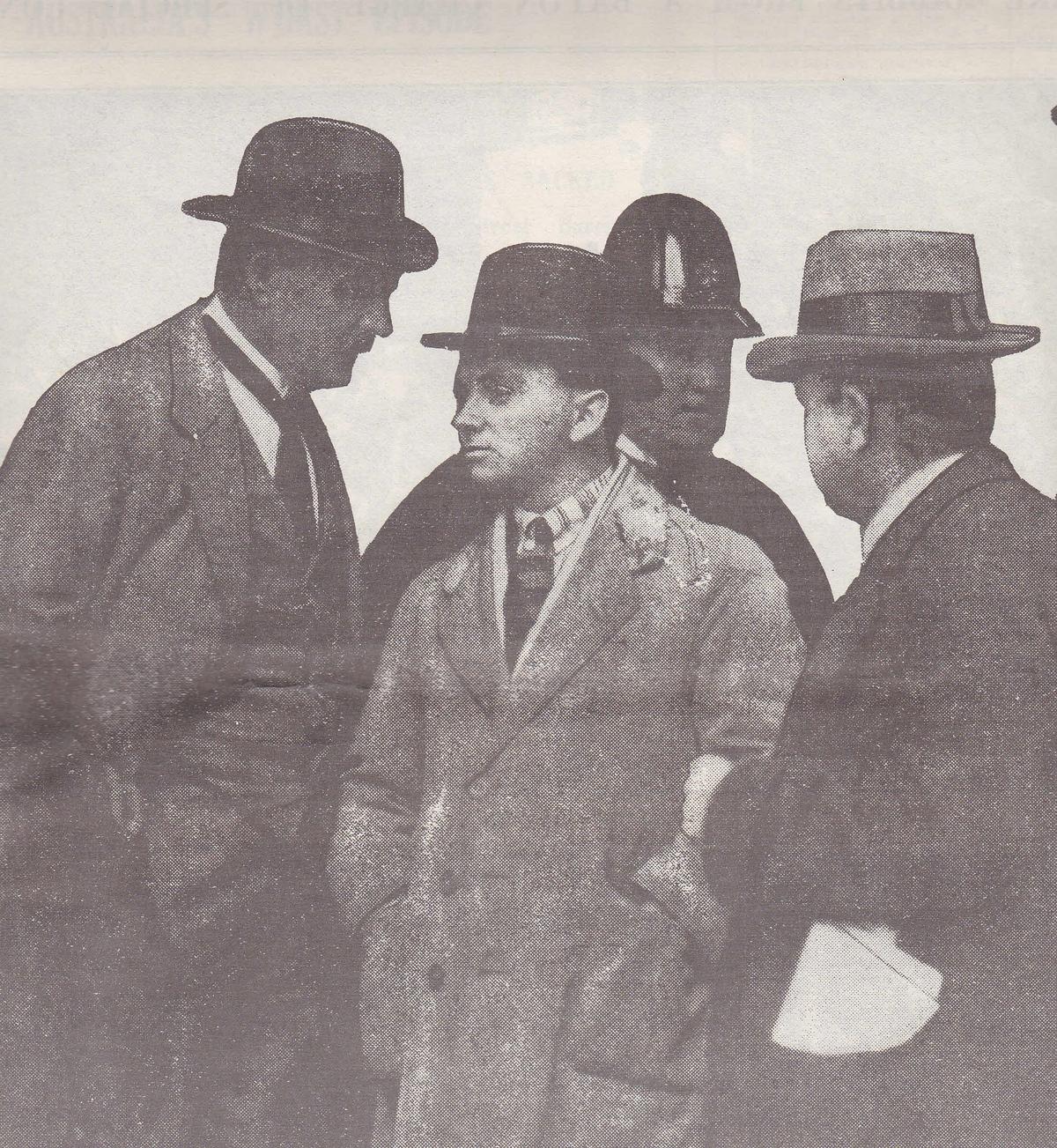
Squizzy Taylor surrendering to police, September 1922. Image: The Sun, Melbourne, 22 September 1922. Public domain in Australia.
Squizzy Taylor

⬅ See all events from 5 August

Spread the word on your favourite platform!
On This Day in True Crime History
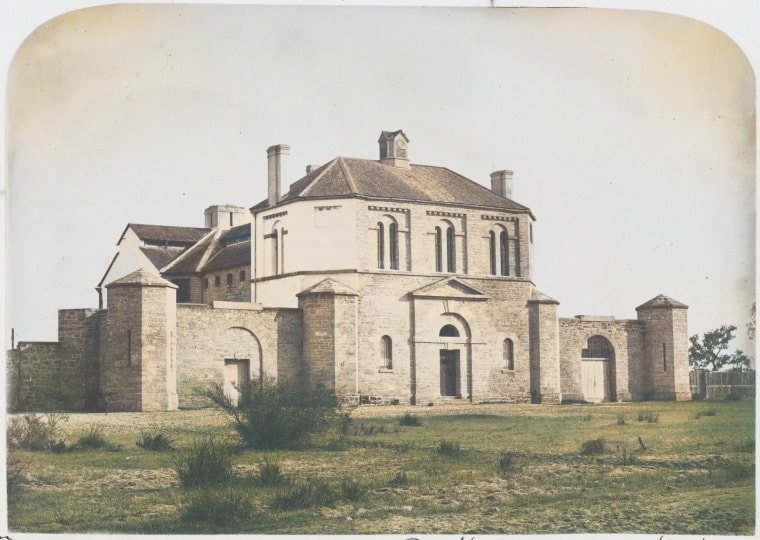
1841·First Blood on the Gallows: Two Men Hanged at the New Darlinghurst Gaol
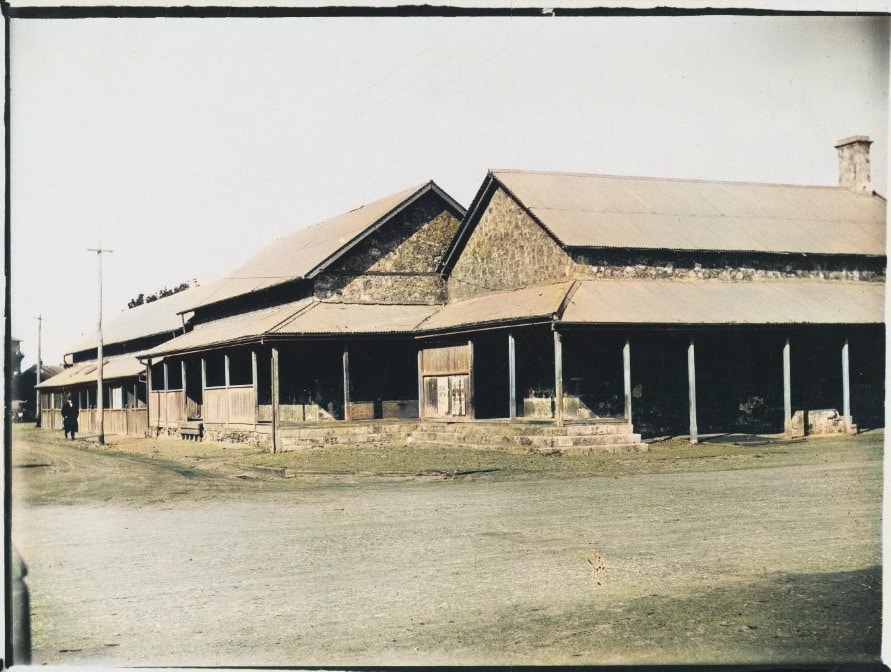
1857·Newly Freed, Then Shot by His Employer: A Convict Hanged in Perth for Attempted Murder
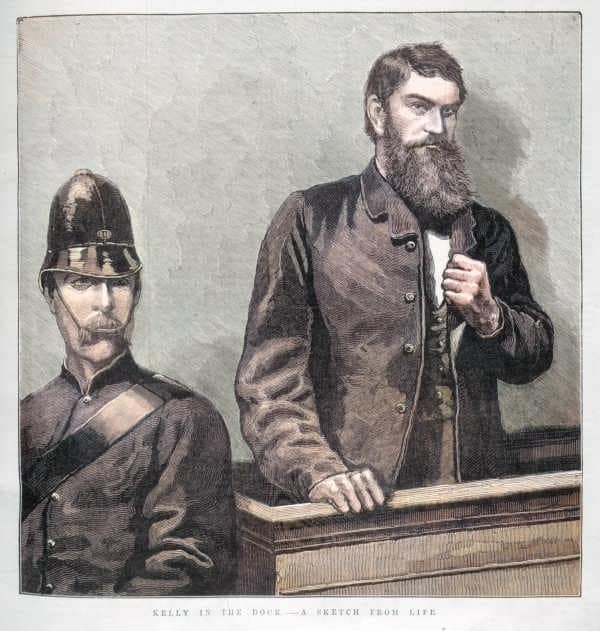
1880·Ned Kelly Sentenced to Hang in Melbourne
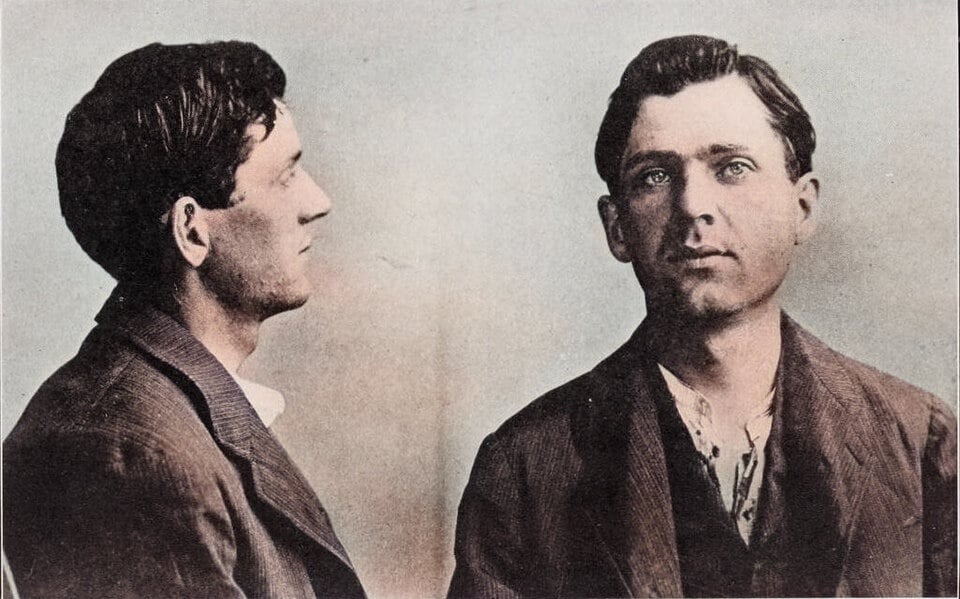
1907·He Knew Where She Kept Her Money, But Killed Her Instead: Hanged in Sydney for the Murder of a Widow
1927·Squizzy Taylor Buried in Melbourne as a Morbid Crowd Forces Police to Intervene
More Crime On This Day →

Subscribe to Dark Stories

True crime stories, dark history and tour news, straight to your inbox.