1791: James Chapman Hanged in Sydney for Burglary One Day After Sentencing

James Chapman arrived in New South Wales in June 1790 aboard a Second Fleet vessel, already a convicted burglar who had stolen fowls from a Hampshire farm in 1787 and been reprieved from death in exchange for transportation for life. Working as a labourer at Parramatta, he lasted barely a year before again crossing into crime, breaking and entering the home of John Petrie in July 1791 and stealing clothing and other goods, with additional charges relating to property belonging to John Medcalf.

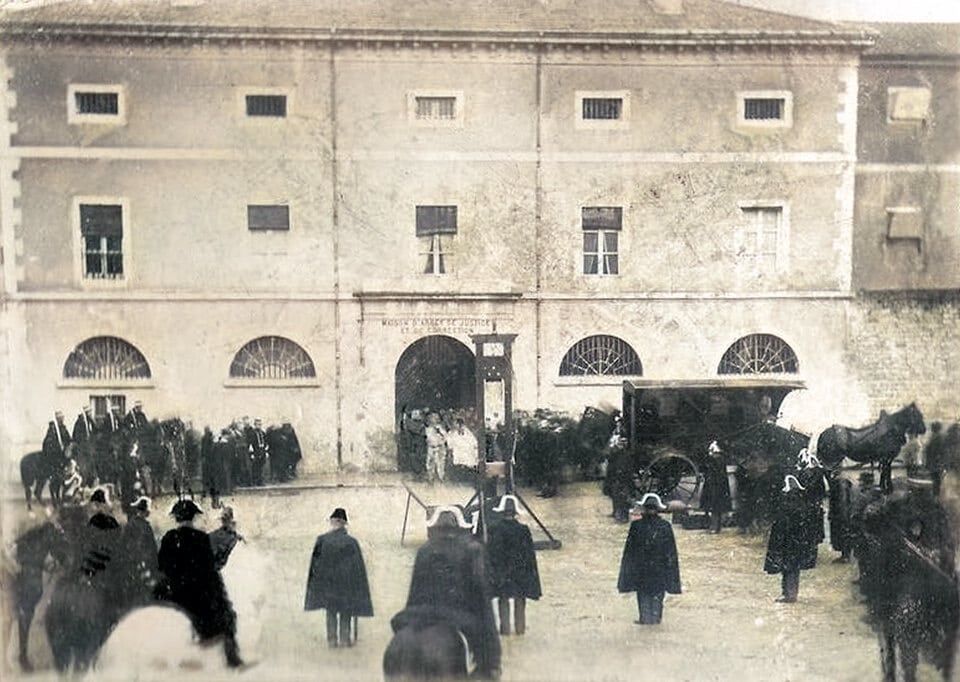
Chapman pleaded guilty before the Court of Criminal Jurisdiction on 19 July 1791 and was sentenced to death. He was hanged in Sydney the following day, aged around 29. A man named Joseph Hatton, charged with receiving the stolen goods, was sentenced to 500 or 800 lashes.


James Chapman Hanged in <a href='https://darkstories.com.au/sydneytruecrimetour/' target='_blank' rel='noopener noreferrer'>Sydney</a> for Burglary One Day After Sentencing” style=”max-width:50%; height:auto; display:block; margin:16px auto;”/></p>
<p style=⬅ See all events from 28 July

Spread the word on your favourite platform!

1794: The Fall of Robespierre: The Architect of the Terror Meets the Guillotine

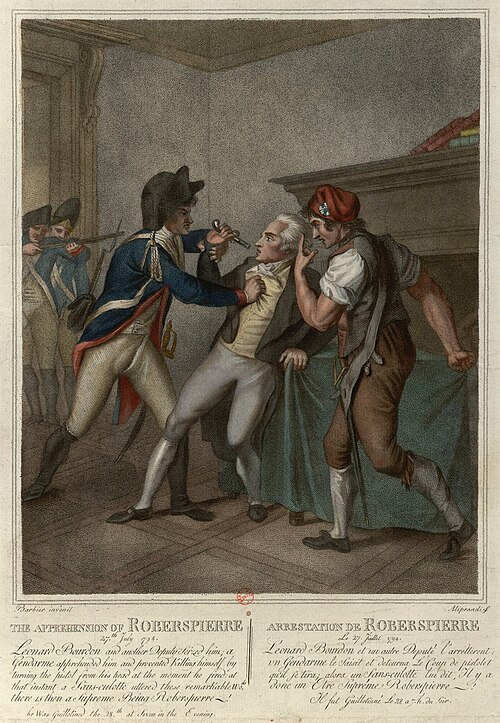
Maximilien Robespierre, the lawyer turned revolutionary who came to embody the ruthless machinery of the French Revolution, was executed by guillotine in Paris on 28 July 1794. As the dominant force on the Committee of Public Safety, he had overseen the Reign of Terror, a period in which thousands were sent to the blade in the name of republican virtue. His own arrest, the day before, had come swiftly after the National Convention turned against him.

The man who had signed so many death warrants met the same end he had prescribed for others. Wounded during his arrest, reportedly from a gunshot to the jaw, he was carried to the scaffold in agony. His execution marked the end of the Terror and the beginning of the Thermidorian Reaction, a conservative turn that dismantled much of what he had built.

Arrest of Robespierre during revolutionary unrest

⬅ See all events from 28 July

Spread the word on your favourite platform!

1793: Robespierre Joins the Committee of Public Safety

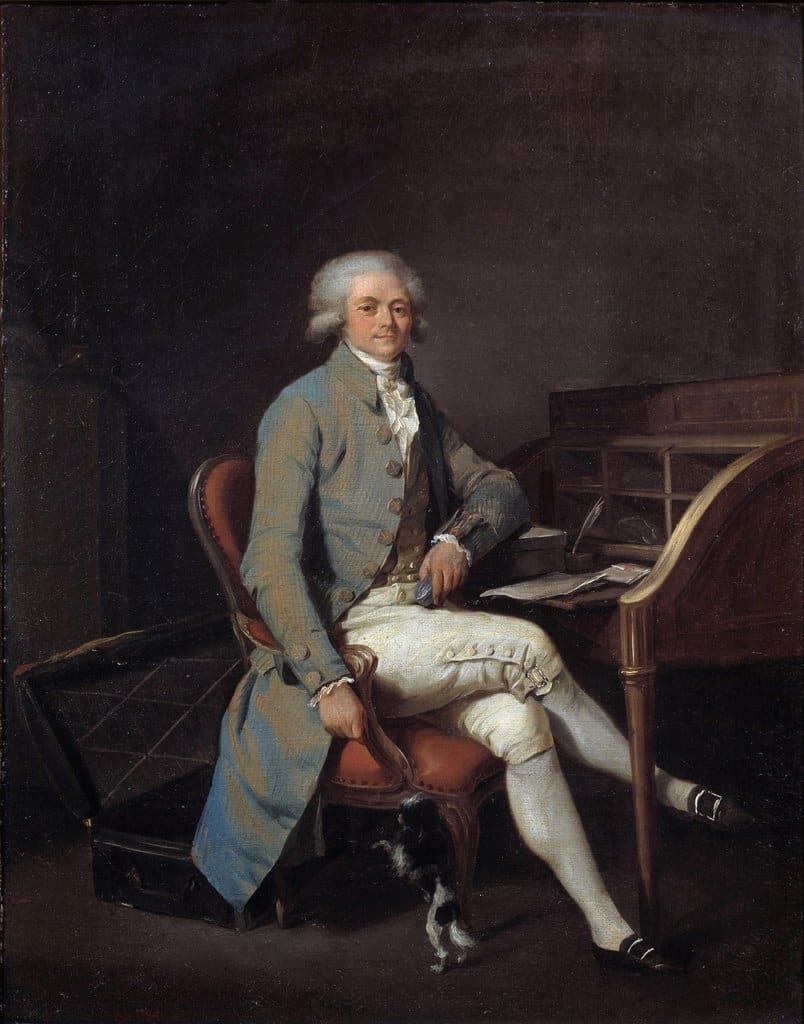
On 27 July 1793, Maximilien Robespierre was elected to the Committee of Public Safety, the twelve-man body that effectively governed France during the most turbulent phase of the Revolution. His appointment marked a turning point: within months, the Committee would become the engine of the Terror, overseeing the execution of thousands deemed enemies of the Republic.

Robespierre’s influence on the Committee was profound and lethal. Under his direction, the Revolutionary Tribunal accelerated its work, sending nobles, clergy, political rivals, and ordinary citizens to the guillotine. His own end came almost exactly a year later, when the Thermidorian Reaction turned the machinery of the Terror against its architect.

Portrait of Robespierre by Louis Boilly

⬅ See all events from 27 July

Spread the word on your favourite platform!
On This Day in True Crime History

Subscribe to Dark Stories

True crime stories, dark history and tour news, straight to your inbox.