1826: Nine Hanged in a Single Day at Hobart, All for Sheep Stealing and Burglary

On September 18, 1826, nine convicts went to the gallows together in Hobart under Lieutenant-Governor George Arthur’s ruthless enforcement of Britain’s Bloody Code, the doctrine that made property crime a capital offence equal to murder. Not one of the nine had killed anyone: George Farquharson, Robert Cable, Thomas Savell, John Davis and John Cruitt were hanged for sheep stealing, John Penson, Timothy Swinscow and William Wickens for burglary, and James Rowles for theft.

The hangings were part of the largest cluster of executions recorded in Van Diemen’s Land that year, twenty three people put to death over a single fortnight in mid September 1826. Earlier hangings that month, on September 13, had targeted actual killers; those on September 15 and 18 were reserved entirely for non-violent property offenders, a deliberate signal from Arthur to a colony economically dependent on settler flocks and stores.

Sheep stealing in particular was treated by the colonial administration as an existential threat to the fledgling economy of the penal settlement, and the September 18 executions were designed as a public deterrent to convicts tempted to raid the herds and homes of free settlers.

1826 in the Hobart Colony

⬅ See all events from 18 September

Spread the word on your favourite platform!

1916: He Ruined My Life’: Antonio Picone Hanged at Melbourne Gaol for a Market Shooting

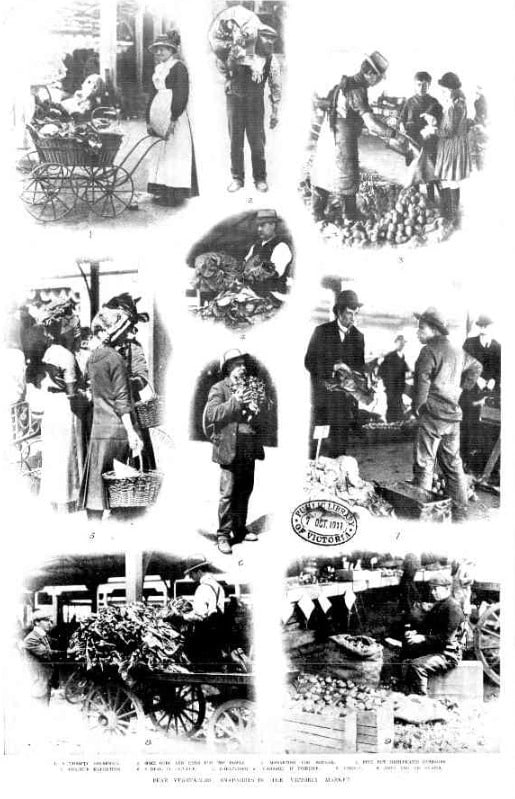
At 4 a.m. on 25 July 1916, three revolver shots rang out at the Queen Victoria Market in Melbourne. Joseph (Giuseppe) Lauricella, a 32 year old Carlton fruiterer buying tomatoes for his shop, fell dead with wounds to the head and neck. His killer, laborer Antonio Picone, fled through a market shed still clutching a smoking revolver before being tackled and held by a bystander, until police arrived.

Picone, wearing a military reject badge in his lapel, was hauled before the City Court that same day. When the charge was read he insisted, “I didn’t do it,” yet detectives testified he had already told them why he pulled the trigger: “He robbed me of my bread, disgraced me, ruined the whole of my life.”

Despite his courtroom denial, Picone had already given detectives his own account of the killing, telling them plainly it was revenge for the ruin of his livelihood and reputation. Picone was convicted of murder and hanged at Melbourne Gaol on 18 September 1916.

Victoria Market Melbourne 1911 Still In Operation Today

⬅ See all events from 18 September

Spread the word on your favourite platform!

1811: A Last-Minute Recantation at the Gallows Delays the Execution of John Dunn at Parramatta

John Dunn, Thomas Welch and Ann Wilson were charged before the Court of Criminal Jurisdiction at Parramatta with the murder of Mary Rowe. After a lengthy hearing, the court convicted Dunn of the murder largely on the evidence of an accomplice, John Welch, a boy of about sixteen.

Dunn was ordered hanged the following Monday, between eight and twelve. But as the execution was about to proceed, the teenage witness suddenly retracted his sworn testimony in front of the assembled spectators, declaring that Dunn was innocent and that he and his father, Thomas Welch, were the true killers. The Acting Provost Marshal, with no precedent to guide him, respited the hanging, which did not take place until the following Wednesday, under far gloomier circumstances than before.

Despite the boy’s dramatic gallows reversal accusing himself and his father of the killing, the original verdict against Dunn stood and his execution went ahead two days later than planned.

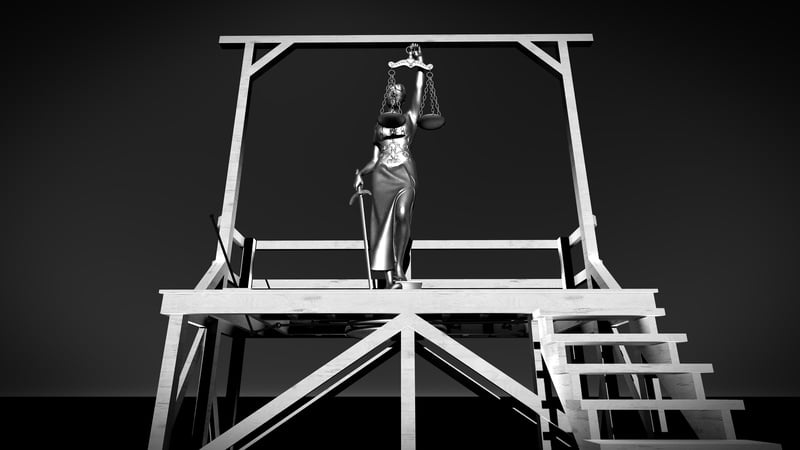
Lady Justice Themis statue on gallows with scales and sword

⬅ See all events from 16 September

Spread the word on your favourite platform!

1889: He Gave Away His Victim’s Wedding Ring: Hanged at Melbourne Gaol for the Carlton Murder

Annie Thornton, was murdered in her home at Carlton, a suburb of Melbourne, on the night of 10 July 1889. Piercing screams were heard coming from the house that night, but no neighbour intervened and nothing was reported to police until the inquest weeks later.

The man committed for trial, Filipe Castillo, showed almost total indifference to his fate. On the very night of the killing he was seen with another woman and showed her a bloodstained waistcoat, claiming it came from a cut to his arm. He then handed out jewellery stolen from the dead woman to several other women, including the wedding ring he had taken from her finger.

The murdered woman’s husband, Henry Thornton, had been living apart from his wife and was working in Ballarat at the time. On hearing of the killing he walked into the Ballarat watch-house himself, gave a detailed account of his movements and produced letters proving he had not seen his wife since parting from her on good terms months earlier; he was cleared of any involvement.

At the inquest a verdict of wilful murder was returned, and the accused was described as remarkably unconcerned throughout the proceedings. He was tried, convicted and hanged at Melbourne Gaol on 16 September 1889 for one of the most brutal and cold-blooded murders Melbourne had seen.

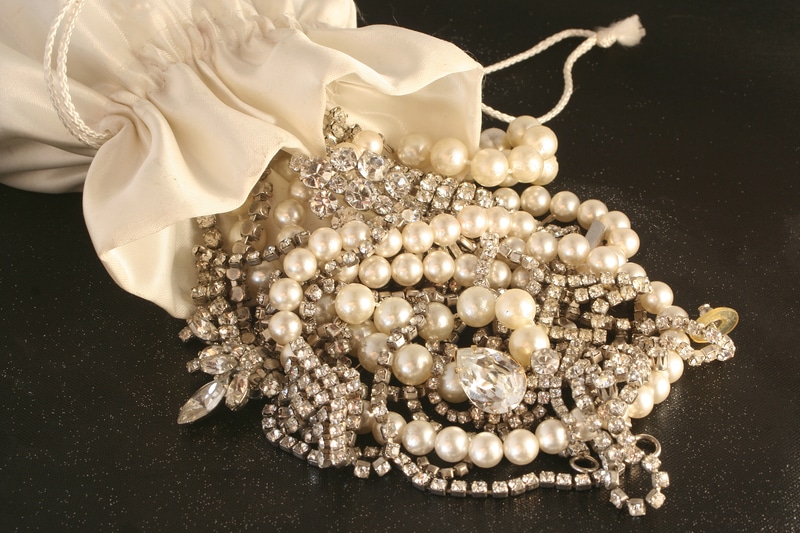
Bag of jewels spilled open with gems falling out

⬅ See all events from 16 September

Spread the word on your favourite platform!
On This Day in True Crime History
1852·Mercy Recommended, Mercy Denied: John Riches Hanged in Melbourne Over a Deadly Camp Quarrel
1989·Twice in 24 Hours: the Granny Killer Claims Another Victim in Sydney
2005·The First Murder Convictions of the Melbourne Gangland War: Keith Faure and Evangelos Goussis Convicted
More Crime On This Day →

Subscribe to Dark Stories

True crime stories, dark history and tour news, straight to your inbox.