1935: The Sydney Shark Arm Murder Case Collapses on Judge Orders

The case began in the most macabre way imaginable: on April 25, 1935, a captured shark on display at an Aquarium in Sydney vomited up a human arm. Tattoos identified the limb as belonging to James Smith, who had vanished after leaving home on April 8 with the stated intention of going on a fishing trip.

Police investigations focused on Patrick Brady, an associate of Smith who had been with him around the time of his disappearance. Another central figure was businessman Reginald Holmes, who was in a position to give direct evidence about Smith’s killing and Brady’s alleged involvement.

But before Holmes could give that evidence, the case took another extraordinary turn. In the early hours of June 12, just hours before he was due to appear at the inquest, Holmes was found shot dead in his car at Dawes Point. With the Crown’s key witness gone, the murder case against Brady was left largely dependent on circumstantial evidence.

Despite what Chief Justice Sir Frederick Jordan acknowledged was plenty of cause for suspicion, the prosecution now faced two fundamental problems: its key witness was dead, and there was no body to prove that Smith himself was dead. A person could, after all, survive the loss of an arm. On September 10, 1935, Jordan ruled that the evidence was insufficient to sustain a conviction and directed the jury to acquit Brady, bringing to an abrupt end what was described at the time as a case “without parallel in the annals of Australian criminal history.”

Brady’s freedom was short-lived. As soon as he stepped outside the court, detectives arrested him on an unrelated Tasmanian forgery charge. No one was ever convicted over Smith’s death or Holmes’s killing, and the infamous Shark Arm case remains unsolved.
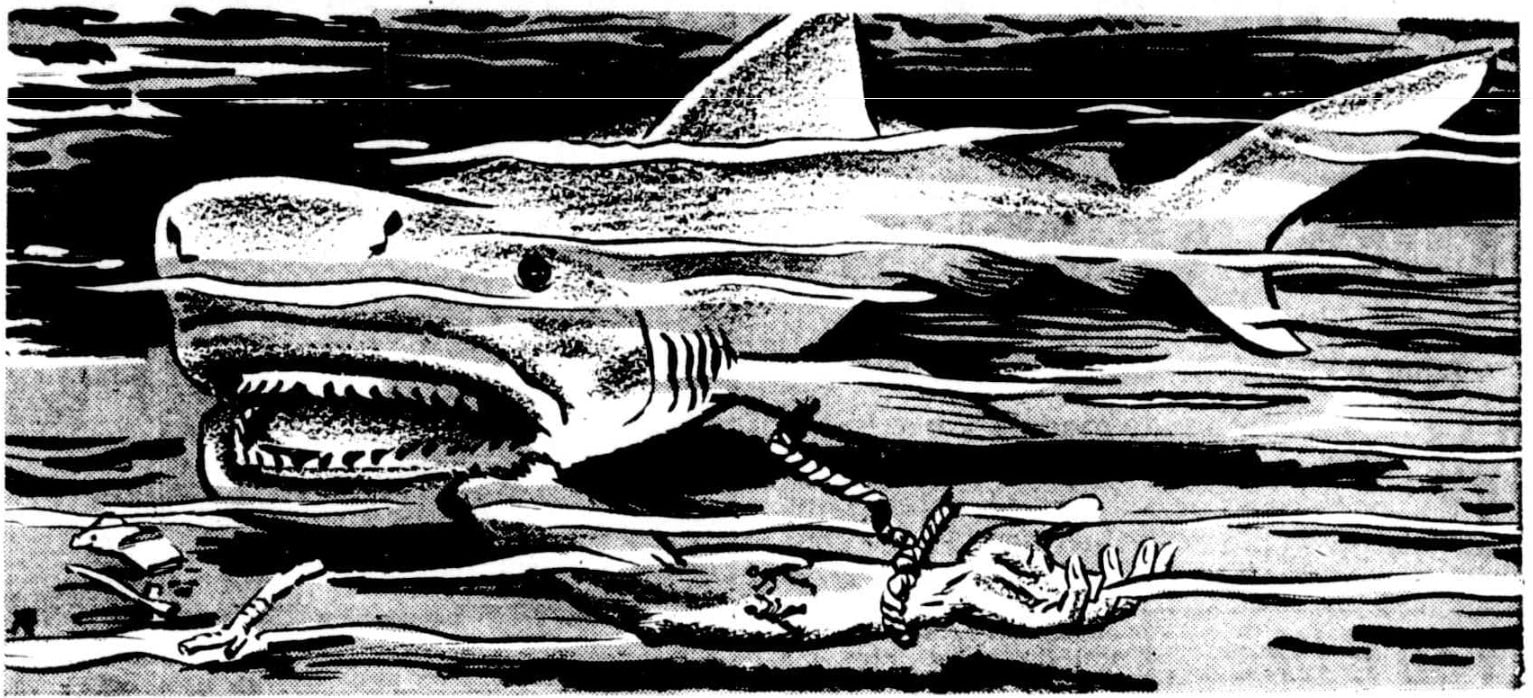

Shark Arm Murdery Mystery - Sydney
Shark Arm Murdery Mystery – Sydney

⬅ See all events from 10 September

Spread the word on your favourite platform!

1888: Jack the Ripper Claims His Second Victim: the Mutilation of Annie Chapman

Annie Chapman was a heavy drinker who had turned to prostitution in London’s Whitechapel after her marriage collapsed and her daughter died, using the earnings to pay for drink and a bed for the night. On the night of her death she had no money for lodgings and went out to earn her rent; her body was found in the early hours in a backyard, her throat cut and her abdomen slashed open.

The killer had arranged her intestines over her shoulder and removed her uterus, taking it with him. An autopsy determined she had been sober at the time of her death, ruling out the drunkenness that had shaped so much of her life.

Her murder, following that of Mary Ann Nichols just over a week earlier, confirmed for police that a single killer, soon dubbed Jack the Ripper, was stalking the women of Whitechapel.

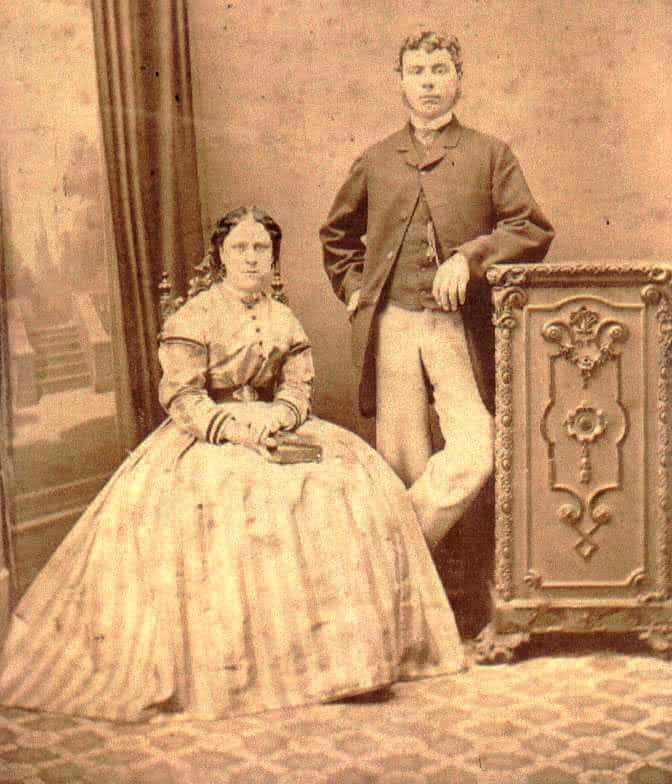
Portrait of Annie Chapman with her husband in 1869

⬅ See all events from 8 September

Spread the word on your favourite platform!

1974: An Extra Femur Bone: the Discovery That Revealed a Third Victim of Ted Bundy

Hunters searching brush near Interstate 90 in Issaquah, Washington, about one mile from Lake Sammamish State Park, stumbled on fragmented human remains scattered across the ground. Forensic examination identified them as Janice Ott and Denise Naslund, two young women who had vanished from the park on the same afternoon in July 1974 after a man with his arm in a sling, calling himself Ted, asked each separately for help loading a boat onto his car.

Among the bones was one extra femur that did not belong to either woman. It was later attributed to Georgeann Hawkins, a University of Washington student who had disappeared weeks earlier while walking a short alley between her boyfriend’s dormitory and her sorority house, her body never otherwise found.

The discovery helped investigators connect a string of disappearances across Washington and Utah to the same killer, Ted Bundy, whose calm, disarming manner and use of a fake injury to lure victims would become one of the most chilling signatures in American criminal history.

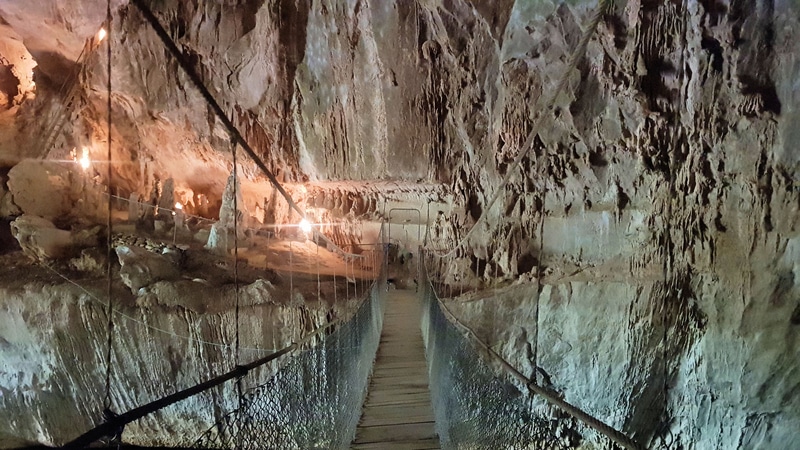
Sammamish Lake and Mount Rainier in background near Seattle

⬅ See all events from 7 September

Spread the word on your favourite platform!

1934: The Pyjama Girl: A Body in a Culvert and a Mystery That Lasted Decades

On 1 September 1934, the body of a woman with a bullet through the neck was found in a culvert beneath near Albury, New South Wales.

Dressed in silk pyjamas, she remained unidentified for a decade, preserved in formalin and viewed by thousands before police named her as Florence Linda Agostini, an English-born woman who had lived on Darlinghurst Road in Kings Cross and later moved to Melbourne with her husband Tony Agostini.

Tony Agostini confessed to killing Linda and was convicted of manslaughter, sentenced to six years. He served just over three years before being deported to Italy.

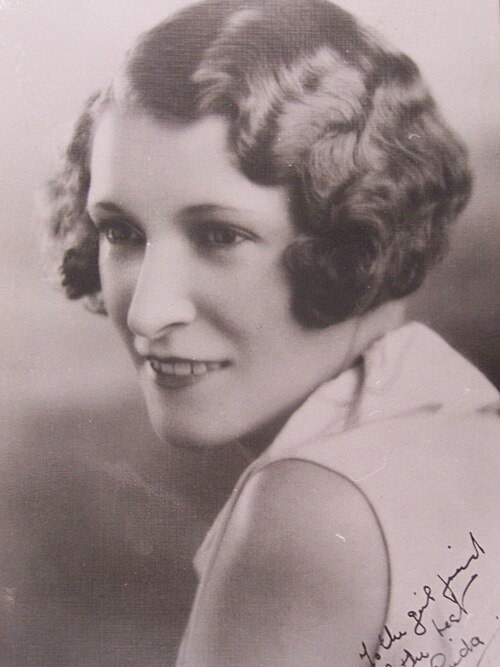
Photograph of Linda Agostini(Linda Platt) - Pyjama Girl Mystery
Photograph of Linda Agostini(Linda Platt) – Pyjama Girl Mystery

⬅ See all events from 1 September

Spread the word on your favourite platform!
On This Day in True Crime History

Subscribe to Dark Stories

True crime stories, dark history and tour news, straight to your inbox.