1861: Hanged Where They Killed: Two Men Executed for the Murder of a Shepherd in Colonial South Australia

In September 1861, two men were tried and executed for the murder of a shepherd, Theodore Gustavus Burggoist, near Fowler’s Bay in South Australia.

Before their execution, the two men acknowledged their guilt. Officials erected the gallows on the exact spot where the killing had taken place, guided there by the two men themselves, who calmly pointed out the bush where the shepherd had been sitting, the place where he was attacked as he tried to flee, and the spot where he later died of his wound.

Members of the community gathered to witness the execution, alongside the local station owner, the ship’s captain who had carried the official party, and several station hands. When it came time to take the bodies down, onlookers fled in evident terror, refusing to help remove them. The two men were buried at the site of the execution, laid to rest beneath the very ground where the shepherd had died.
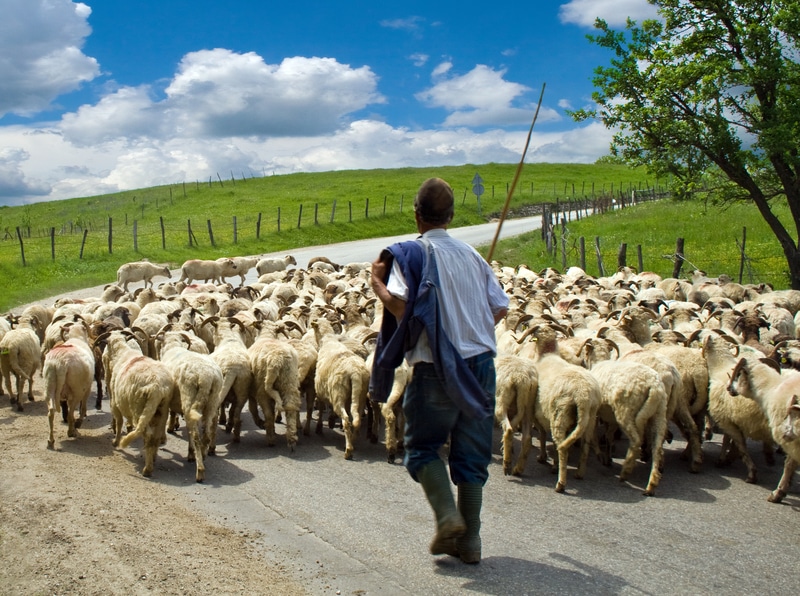

Shepherd at work.
Shepherd at work.

⬅ See all events from 7 September

Spread the word on your favourite platform!

1936: Neglect and Extinction: the Last Tasmanian Tiger Dies Alone at Hobart Zoo

The last known thylacine, a carnivorous marsupial, died in captivity at Hobart Zoo in Tasmania. The animal is believed to have perished from neglect, left exposed to extreme temperatures after keepers failed to provide adequate shelter.

Thylacines once ranged across mainland Australia and New Guinea before vanishing there thousands of years earlier, surviving only in Tasmania. Relentless hunting, driven by bounties paid to farmers who blamed the species for livestock losses, combined with the introduction of invasive predators, drove the population to collapse. Benjamin’s death marked the extinction of the species, a loss that went largely unnoticed at the time and was only recognised in hindsight as the end of a unique Australian predator.

Thylacine mother with joey in pouch in Australian outback

⬅ See all events from 7 September

Spread the word on your favourite platform!

1971: Man Commits Mass Murder: Freed Eight Years Later to Start a New Life

On the night of 6 September 1971, dairy farmer Clifford Bartholomew murdered ten members of his family at their Hope Forest property south of Adelaide, including his wife, seven children aged between four and 19, his sister-in-law and his infant nephew. When police arrived, Bartholomew was sitting calmly at the kitchen table drinking beer; one detective later described him as “cool, calm and collected.”

Bartholomew admitted the killings and was sentenced to death, but his sentence was later commuted to life imprisonment. Despite the scale of the crime, he was released on parole in 1979 after serving just eight years.

Under the new identity Clifford Palmer, he rebuilt his life, remarried and became stepfather to seven children. He lived quietly until his death in 2002. Years later, his second family learned the full extent of his past and discovered that the man they had known as “Poppy Cliff” had been responsible for one of Australia’s worst family massacres.

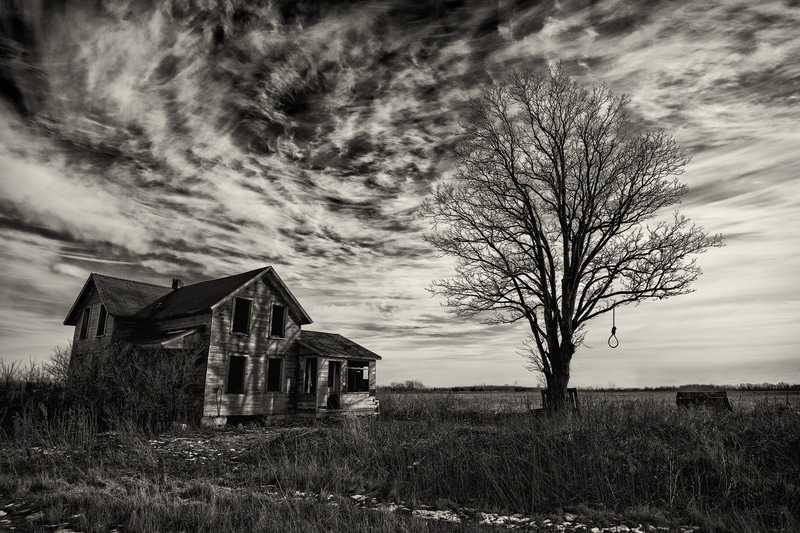
Abandoned farmhouse with hangmans noose under dark sky

⬅ See all events from 6 September

Spread the word on your favourite platform!

1842: Man Hanged at Melbourne for the Killing of an Overseer at Mount Rouse

On 5 September 1842, a man known as Figara Alkapareet was hanged in the Port Phillip District for his alleged part in the killing of an overseer named Codd at Mount Rouse two years earlier. Witnesses placed Figara among a group of men who attacked Codd, although questions surrounded his identification and Figara maintained that it was his brother who had been at Mount Rouse while he was elsewhere washing sheep.    After a jury found him guilty, Figara was sentenced to death. Contemporary accounts described him as meeting his fate with a sense of “natural resignation,” apparently accepting his approaching death without outward resistance.    His execution provoked criticism in the newspapers, which questioned the justice and usefulness of the punishment amid the violent conflict and dispossession of the period. Even at the time, Figara’s death prompted debate over whether the law was being applied justly.

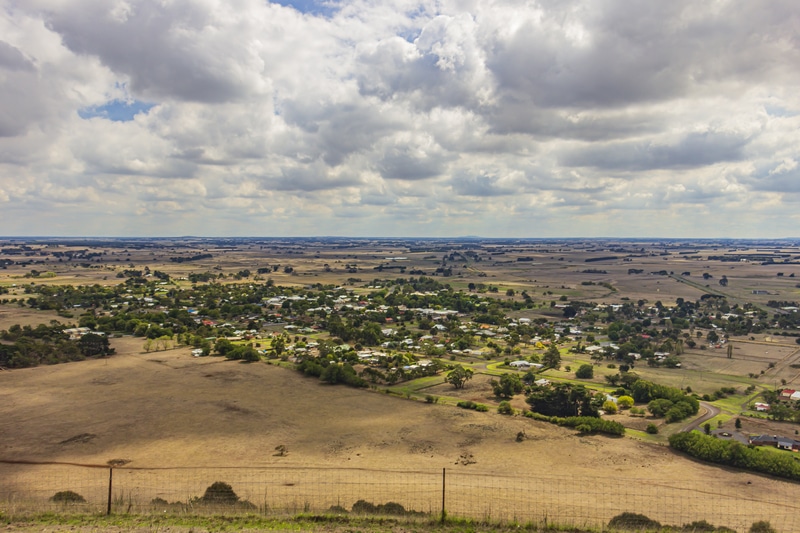
View from Mount Rouse summit over Southern Grampians plain

⬅ See all events from 5 September

Spread the word on your favourite platform!
On This Day in True Crime History
1852·Mercy Recommended, Mercy Denied: John Riches Hanged in Melbourne Over a Deadly Camp Quarrel
1989·Twice in 24 Hours: the Granny Killer Claims Another Victim in Sydney
2005·The First Murder Convictions of the Melbourne Gangland War: Keith Faure and Evangelos Goussis Convicted
More Crime On This Day →

Subscribe to Dark Stories

True crime stories, dark history and tour news, straight to your inbox.