1848: Augustus Dancey Hanged at Melbourne Gaol for the Murder of a Boy at Stony Creek

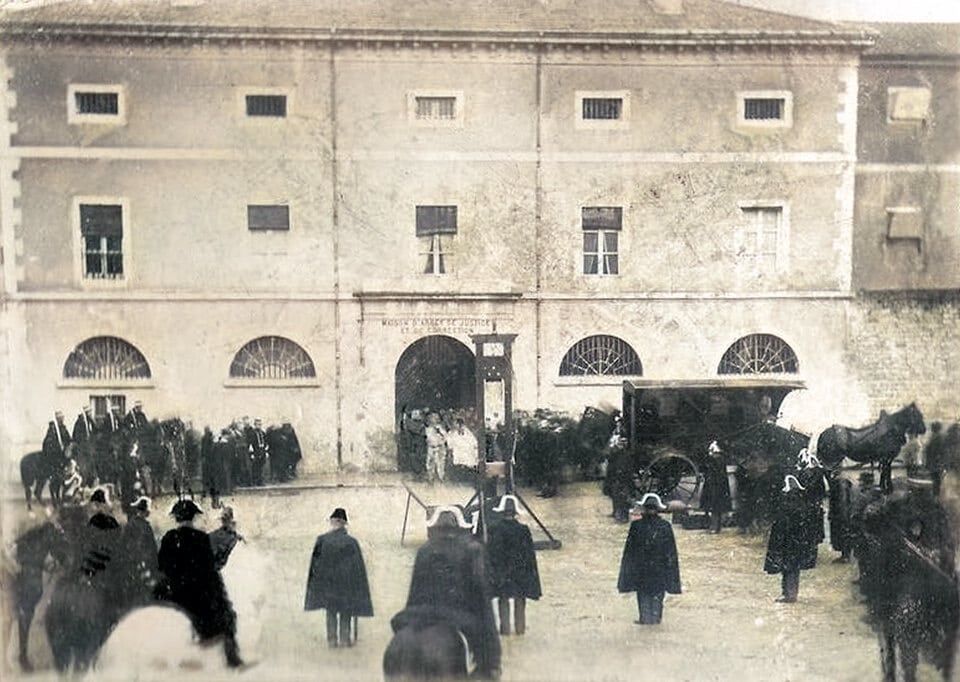
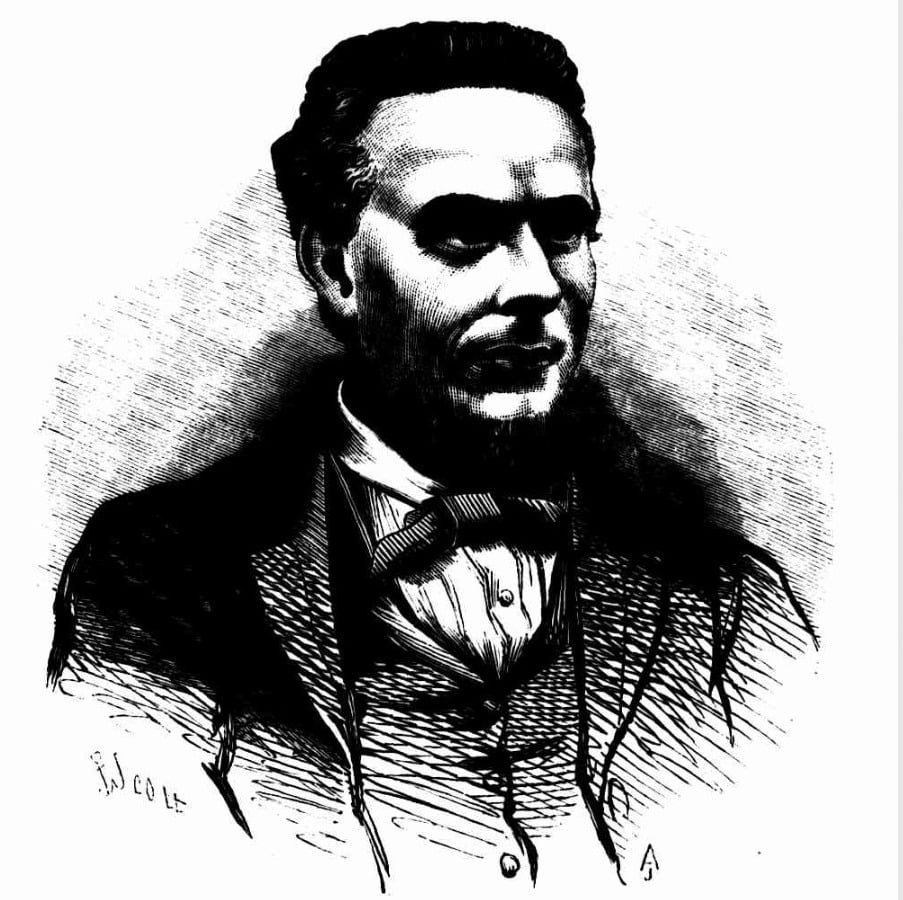
Augustus Dancey was hanged at Melbourne Gaol on 1 August 1848 for the murder of Matthew Lucke, a young boy, at Stony Creek. The case drew considerable public attention, and Dancey spent his final hours receiving the sacrament, joining the prison chaplain in hymns, and eating a hearty breakfast of beefsteak before calmly submitting to the pinioning of the executioner.

Despite repeated entreaties from the Reverend Mr. Thompson to confess his guilt, Dancey maintained his innocence to the last. Waking at midnight in his cell the night before his execution, he declared he was ‘as innocent as the child unborn’ of the crime for which he was to hang.


Augustus Dancey Hanged at Melbourne Gaol for the Murder of a Boy at Stony Creek

⬅ See all events from 1 August

Spread the word on your favourite platform!

1864: Alexander Ritchie Hanged at Toowoomba Gaol for the Murder of Mr Owen at Yandilla

On the evening of 29 April 1864, Mr Owen was shot and killed while travelling by buggy between Leyburn and Yandilla in Queensland, accompanied by the Reverend Mr Thackery. Alexander Ritchie, a convict, was tried, convicted by jury, and sentenced to death. The execution, the first to take place at Toowoomba Gaol, was carried out on 1 August 1864. A scaffold enclosed with glazed calico had been erected in the western yard of the new gaol, with the High Sheriff, E. H. Halloran, overseeing preparations.

Ritchie maintained his innocence to the end, supported in his final days by the Reverend Mr Hart and Dr Nelson. He ascended the scaffold with calm and resolve, addressing the assembled witnesses with striking words: “Gentlemen, I am innocent of this charge in the sight of God, but not of men. God has put this punishment upon me for other sins of which I have been guilty, but of this I am innocent.”

Alexander Ritchie Hanged at Toowoomba Gaol for the Murder of Mr Owen at Yandilla

⬅ See all events from 1 August

Spread the word on your favourite platform!

1798: John Raynor Hanged in Sydney for House-Breaking

In July 1798, the court of criminal judicature convened in Sydney specifically to try John Raynor, described by contemporaries as an incorrigible offender whose fate had long been predicted. Convicted of house-breaking, Raynor was hanged at Sydney Cove on 31 July 1798.

Before his execution, Raynor left a written letter enumerating the many offences he had committed over his criminal career, while also denying several charges that had been laid against him.

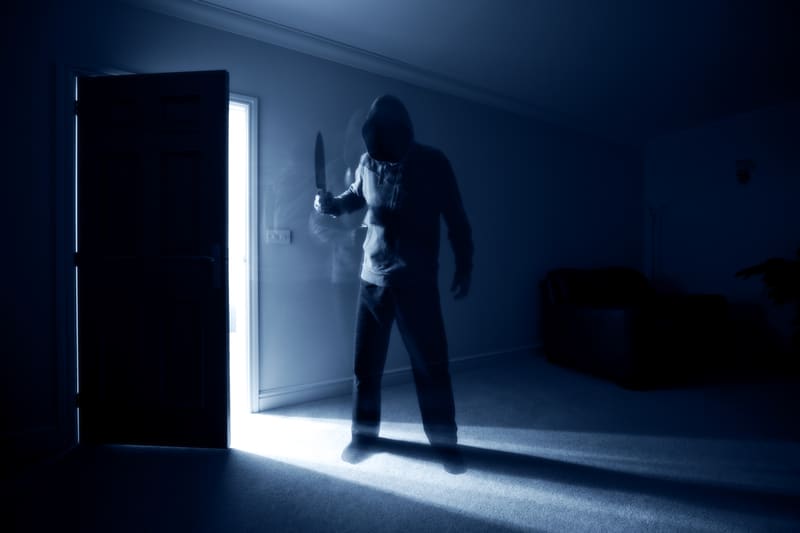
Burglar breaking into a house

⬅ See all events from 31 July

Spread the word on your favourite platform!

1867: William Terry Hanged at Castlemaine for the Murder of Peter Reddick

William Henry Terry, known under a string of aliases including Hopkins, Williams, and Mitchell, was convicted at the Castlemaine Circuit Court before Chief Justice Sir William Stawell of the wilful murder of his mate Peter Reddick at the Coliban on 14 July 1862. The case rested on bones and other remains found at the scene, surveyed and mapped for the court. Terry had listened to the prosecution with apparent indifference throughout the trial.

On 31 July 1867, Terry was hanged at Castlemaine Gaol before around 100 witnesses. The execution was badly botched: too thick a rope and an improperly adjusted noose left him convulsing for eleven minutes, with the hangman pressing down on his shoulders to hasten death. Standing on the scaffold, Terry forgave those he blamed for his conviction, naming two detectives, Hockey and his daughter, and a man called Dring, accusing them of perjury.

Terry made no confession of the murder itself, though he had told the attending Wesleyan minister that he deserved to die for his many crimes.

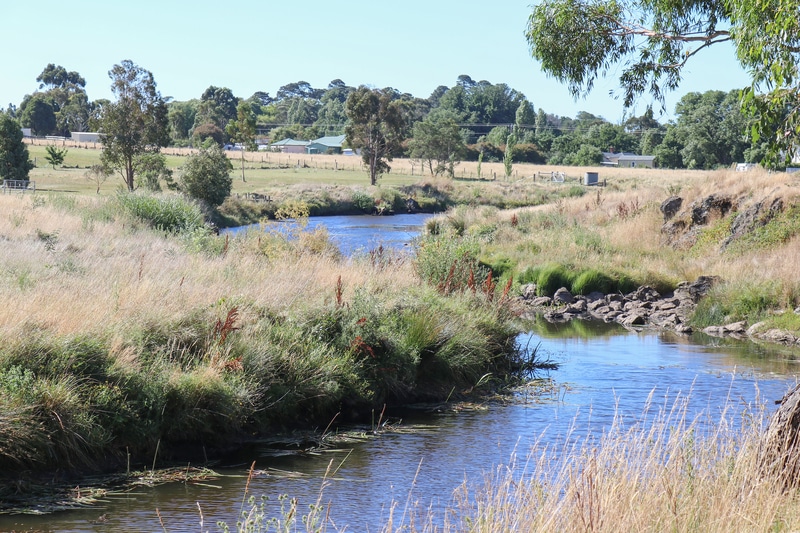
Coliban River
Coliban River

⬅ See all events from 31 July

Spread the word on your favourite platform!
On This Day in True Crime History

Subscribe to Dark Stories

True crime stories, dark history and tour news, straight to your inbox.