1666: The False Confession That Sent an Innocent Man to the Gallows for the Great Fire of London

Robert Hubert, a French watchmaker, confessed to starting the Great Fire of London, claiming he had thrown a fireball through a bakery window to set the blaze alight. Records showed he had not even set foot in England until two days after the fire began, and neither the judges nor the jury who tried him believed he was guilty.

He was hanged at Tyburn on this day in 1666 anyway. Afterwards, a crowd of Londoners tore his body apart before it could be handed over to the Company of Barber-Surgeons for dissection.

Hubert never withdrew his confession, insisting to the end that he had set the fire, even as the evidence against his own story mounted.
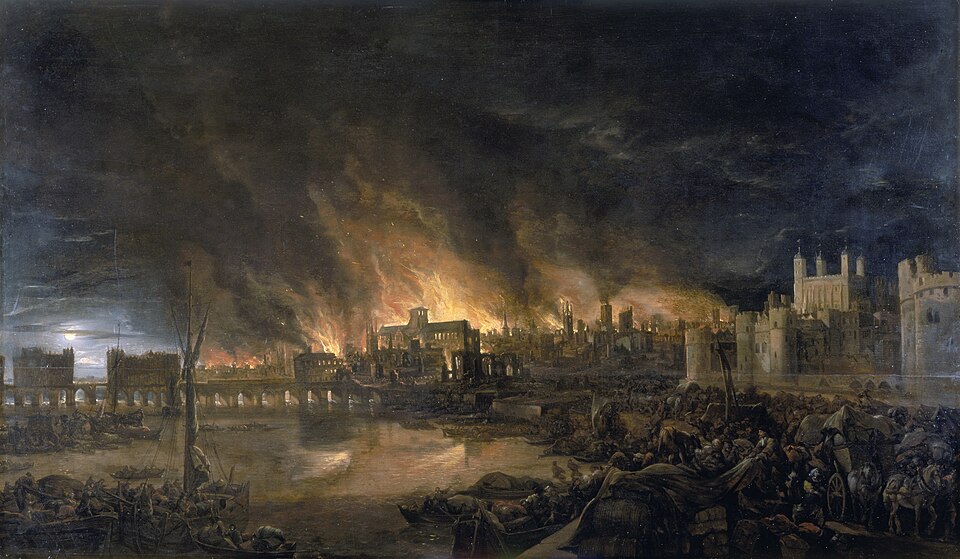

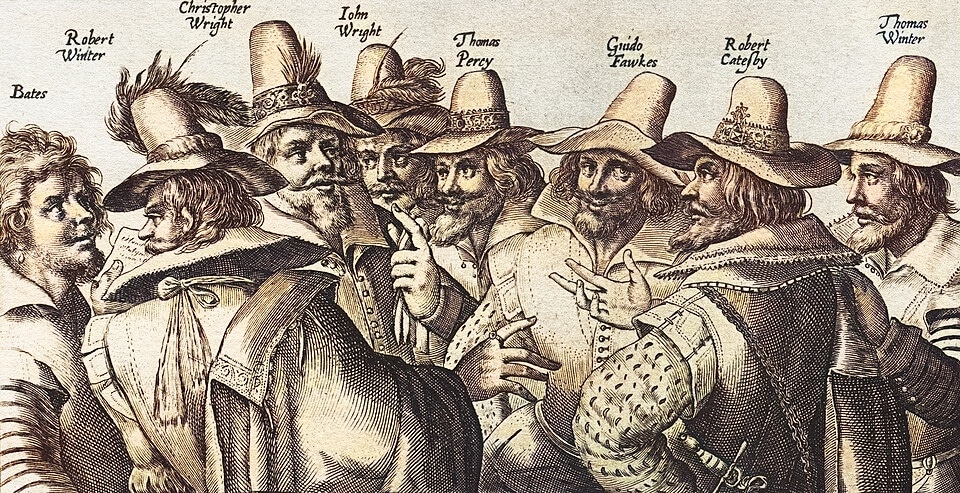
The Great Fire of London

⬅ See all events from 27 October

Spread the word on your favourite platform!

1893: Spurned, He Killed Her With an Axe and Tried to Burn Away the Evidence: Hanged in Brisbane

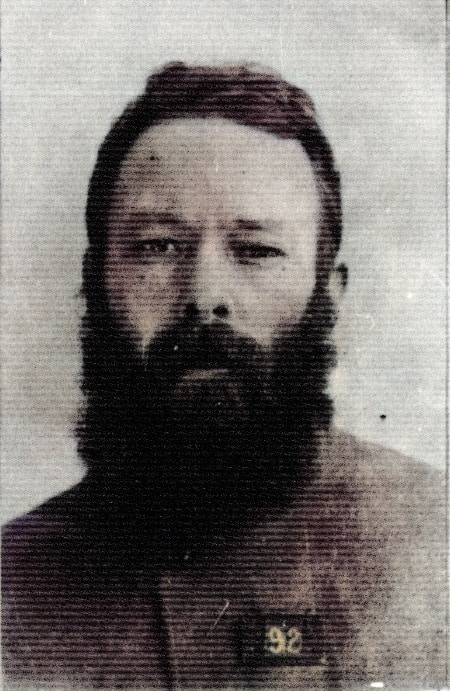
George Blantern asked the young domestic servant Flora Macdonald to marry him. When she refused, he crept into her room at Marlborough Station near Rockhampton on 7 May 1893 and struck her repeatedly with an axe as she slept, then set her bed alight in a failed attempt to hide the crime. Within hours he confessed to the arresting constable: "I killed her. I don't know what possessed me to do it. I must not have been in my right senses when I did."

Convicted of murder, Blantern read a lengthy statement to the court blaming drink, jealousy and an old head injury for his "awful crime" before sentence was passed. He was hanged in Brisbane on this day in 1893, walking to the gallows steadily and showing no emotion until the cap was placed over his head.

He went to his death expressing penitence, ending his final words with "Into Thy hands I commend my spirit."

George Blantern: Queensland State Archives, Item ID ITM2947

⬅ See all events from 23 October

Spread the word on your favourite platform!

1907: The Confession That Confessed Nothing: Hanged in Fremantle for the Waroona Farm Murder

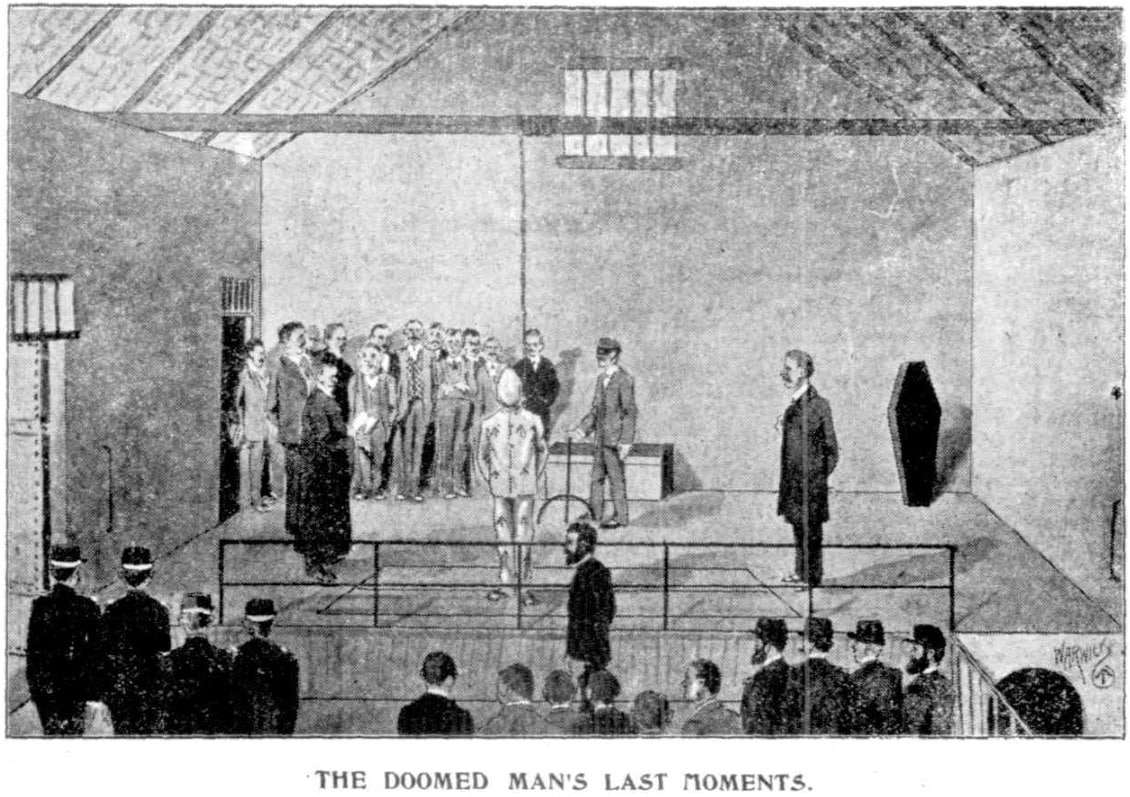
Augustin De Kitchilan, a young drifter from Ceylon, had been living and working at Leah Fouracre's isolated farm near Waroona, Western Australia, breaking in her horses in exchange for board. When Fouracre disappeared in mid August 1907, her farmhouse was found burnt to the ground with her charred remains inside, while De Kitchilan was soon found riding her horse and pawning her jewellery across the district. Convicted of her murder after a trial in Perth, he was hanged at Fremantle Prison on 23 October 1907. In his final days he wrote what he titled 'my last confession', a rambling letter to the public that never actually admitted guilt, instead taunting readers in verse to guess who had pulled the trigger if not him. De Kitchilan denied the murder to the end, declaring at his sentencing, 'I absolutely deny the committal of the dirty crime with which I am charged.'

Kitchilan's Execution for the Peppermint Farm Murder : Illustration 1907

⬅ See all events from 23 October

Spread the word on your favourite platform!

1847: Mutilated to Frame a Maori Attack: the Family Murder That Nearly Sparked War in Auckland

When lookouts aboard HMS Dido spotted flames rising from a home near Auckland on 22 October 1847, sailors raced ashore to find Lieutenant Robert Snow, his wife Hannah and their young daughter Mary butchered, with flesh cut from each body and the house set alight. The staging was deliberate: ship's carpenter Joseph Burns had mutilated the family to make the killings look like a Maori attack, hoping to steal the twelve pounds in naval pay kept in the house and spark fears of an uprising that gripped Auckland for weeks.

With Maori leaders unable to produce a culprit, suspicion only turned to Burns after he coerced his partner, Margaret Reardon, into backing a false confession blaming two innocent neighbours. Mid trial, word reached the court that Burns had cut his own throat in a failed suicide attempt, and in its aftermath he retracted the accusation. Reardon then testified against him, and Burns was convicted and hanged the following June, becoming the first European executed in New Zealand.

Burns went to the gallows having made a full confession, though it unfairly implicated Reardon, who was later convicted of perjury and transported to Tasmania.

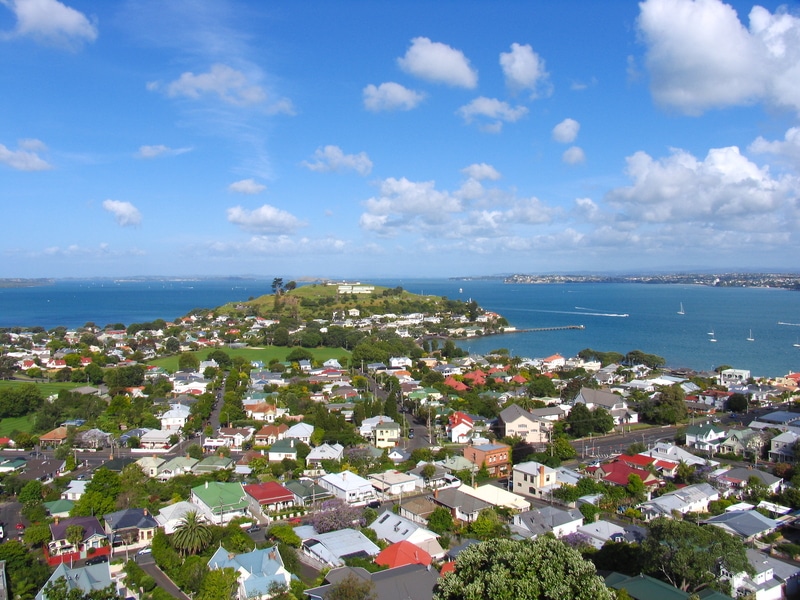
Devonport, New Zealand, Today

⬅ See all events from 22 October

Spread the word on your favourite platform!
On This Day in True Crime History

Subscribe to Dark Stories

True crime stories, dark history and tour news, straight to your inbox.