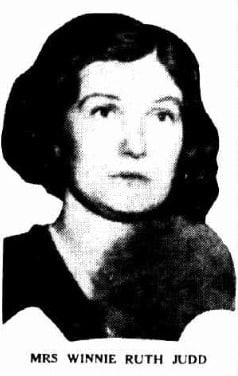
1860: Thomas Airey Hanged at Perth Gaol Just Months After Winning His Freedom

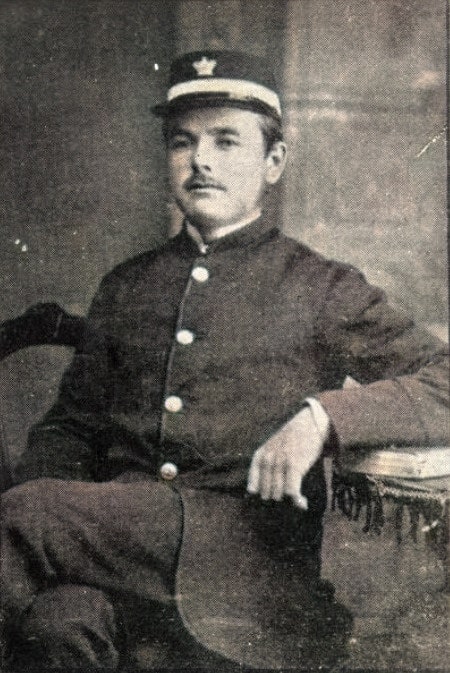
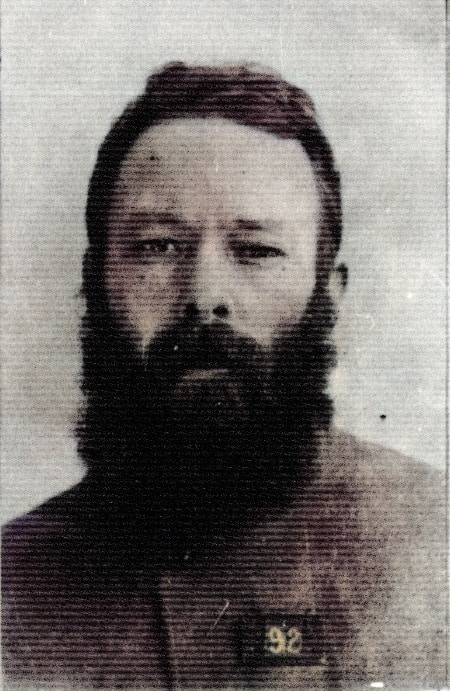
Thomas Airey had spent most of his adult life behind bars in England before he was transported to Western Australia aboard the Nile, arriving at Fremantle in December 1857 to serve a 15 year sentence for burglary. In June 1860 he was granted a ticket of leave, a conditional release that let convicts who had shown good behaviour work and live within a set district without constant supervision, a step short of full freedom but a clear sign the colony had judged him trustworthy.

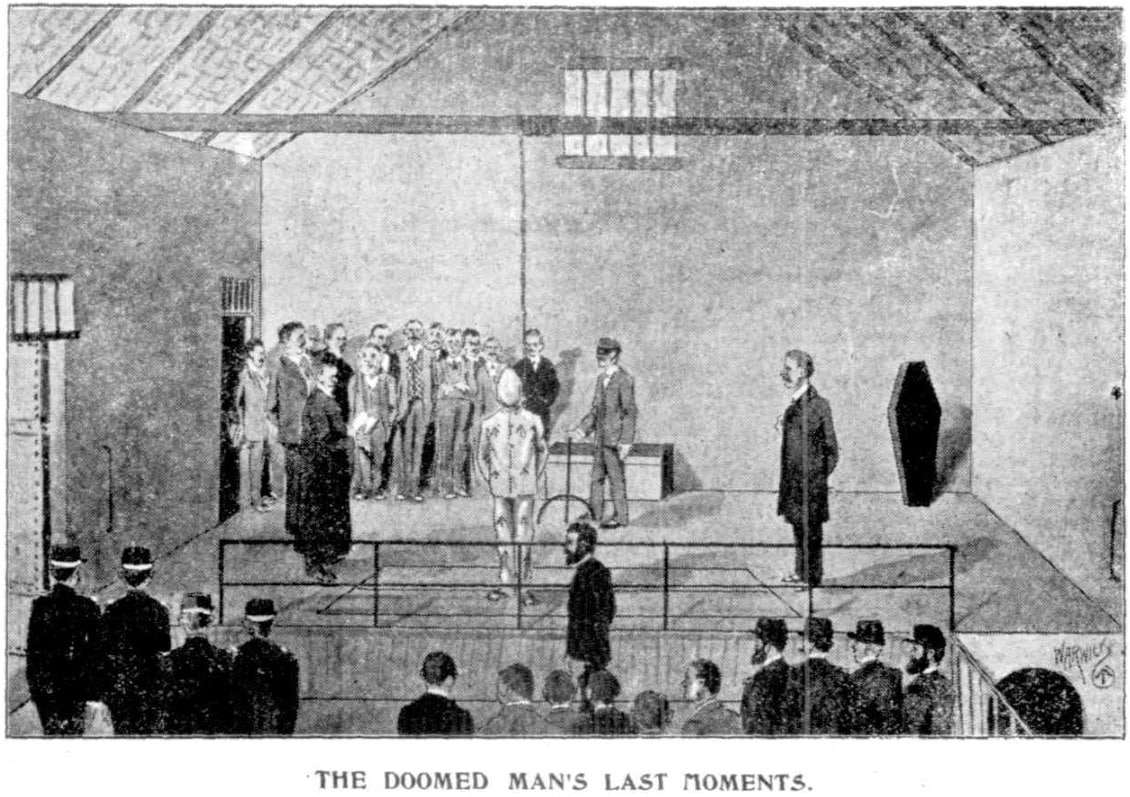
That trust lasted barely four months. By October 1860 Airey stood before the Supreme Court in Perth convicted of a serious assault and sentenced to death. He was hanged at Perth Gaol on 13 October 1860, aged 29, and buried the following day at East Perth Cemetery.
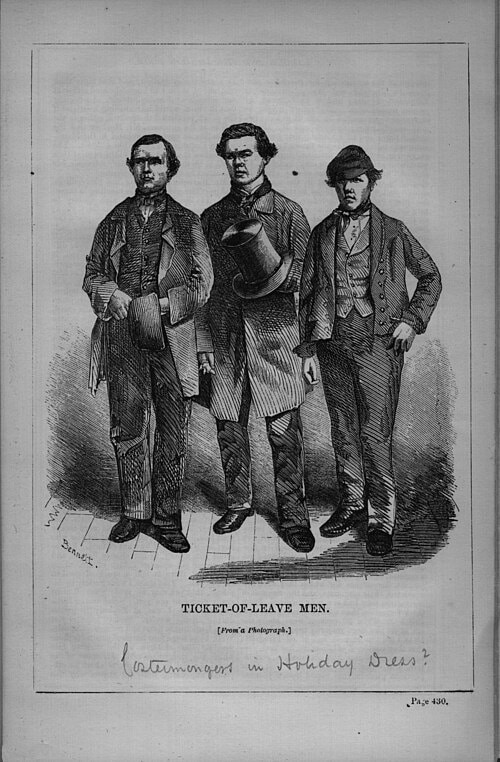

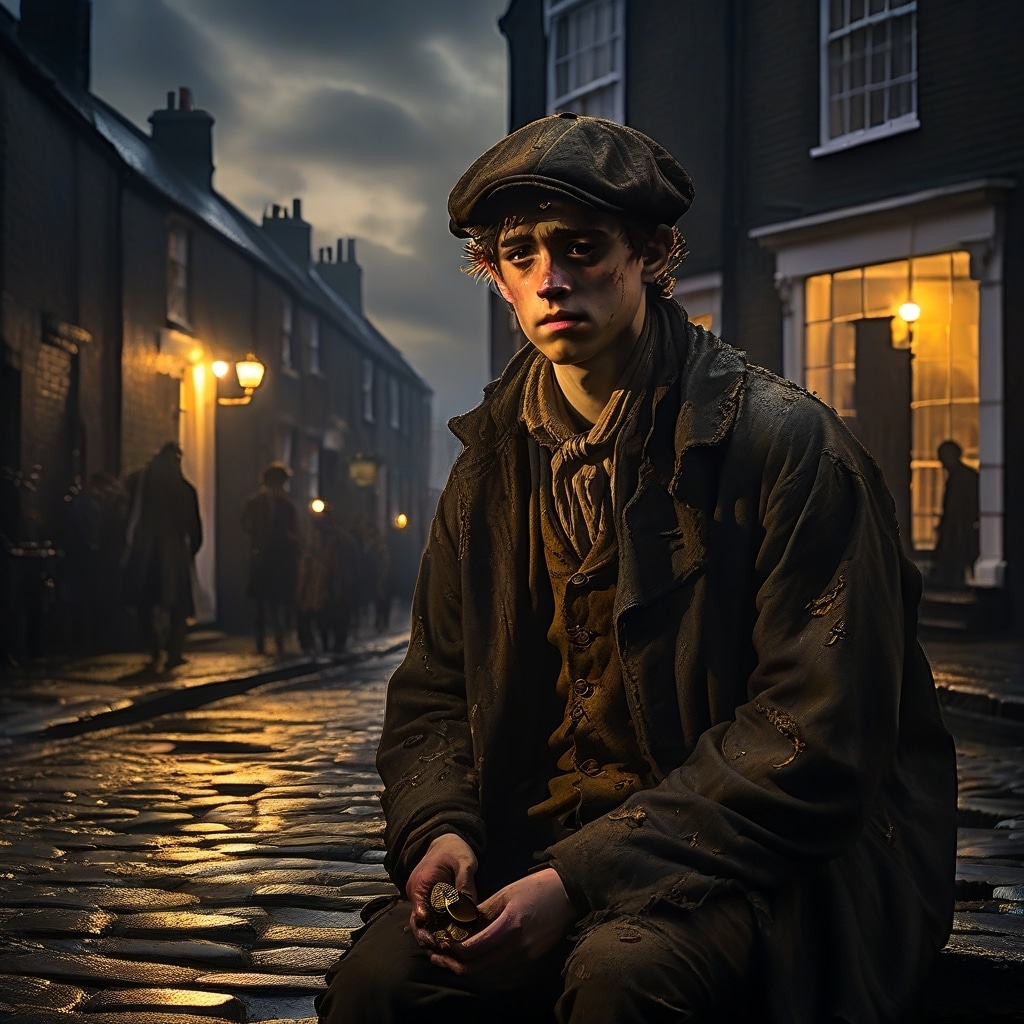
Ticket of leave men historical photograph

⬅ See all events from 13 October

Spread the word on your favourite platform!

1854: Nobody Believed Him: An Innocent Man Hanged at Perth for a Murder He Did Not Commit

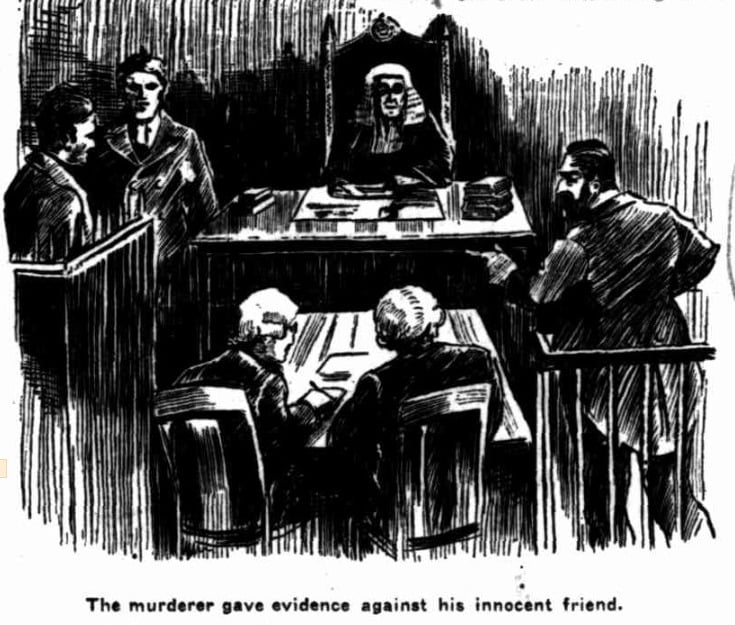
Edward Bishop was a ticket-of-leave convict working at York, east of Perth, when he fell into a bitter feud with a Chinese cook named Ah Chong. When the man turned up bludgeoned and dumped in the Avon River in 1854, a bloodied axe was found hidden in Bishop’s room, his clothes had been freshly washed, and his own drunken threats against Ah Chong were repeated back to him in court.

The evidence was entirely circumstantial, but the jury took twenty minutes to convict him, and he was hanged near the causeway at Perth. Bishop never wavered. Nobody believed him then, but three years later his own hut-mate, William Voss, confessed to the murder, admitting he had planted the axe among Bishop’s belongings. Voss himself was hanged in 1862 for killing his wife.

On the scaffold, Bishop raised his hand and declared, “I assert in the presence of God that I did not commit the murder. I am dying innocent of crime, and I do not fear death”.

Innocent Edward Bishop betrayed.

⬅ See all events from 12 October

Spread the word on your favourite platform!

1792: Sydney’s First Grave: The Convict Buried Beneath What Is Now the Town Hall

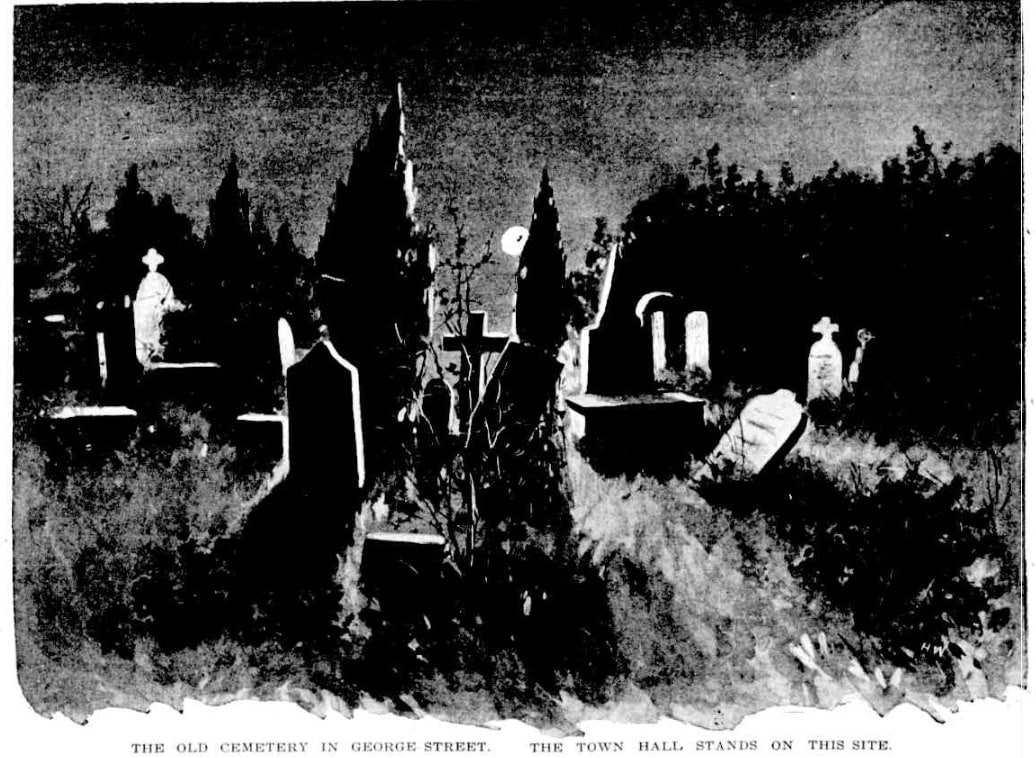
When Governor Phillip and the Reverend Richard Johnson chose a quiet spot on the outskirts of town for a burial ground in September 1792, the first person laid to rest there is believed to have been a convict named Michael Dunn. The site, later known as the Old Sydney Burial Ground or the George Street Burial Ground, now lies beneath Sydney Town Hall.

For 27 years the cemetery operated with almost no formal oversight: it was never gazetted, no trustees were appointed and no burial register or plan was kept. The Reverend William Cowper later admitted that “the dead of all communions were interred indiscriminately”, though social distinctions persisted among the military, with non-commissioned officers of different regiments buried in separate corners of the ground.

Once the cemetery closed in 1820 and burials moved to Brickfield Hill, now the site of Central railway station, the old ground fell into grim disrepair. Headstones were vandalised, pigs, goats and horses wandered among open graves, and grave robbers were blamed for prising up leaden coffins. A committee report even noted men using the abandoned cemetery to relieve themselves, and in hot weather the stench became unbearable.

Despite public opposition to disturbing the dead, the City of Sydney eventually cleared the site to build its Town Hall, ending nearly a century of neglect over the city’s first burial ground.

Old Sydney burial ground historic cemetery illustration

⬅ See all events from 8 September

Spread the word on your favourite platform!

1877: Martin Cash, the Bushranger Who Cheated the Gallows, Dies at His Farm

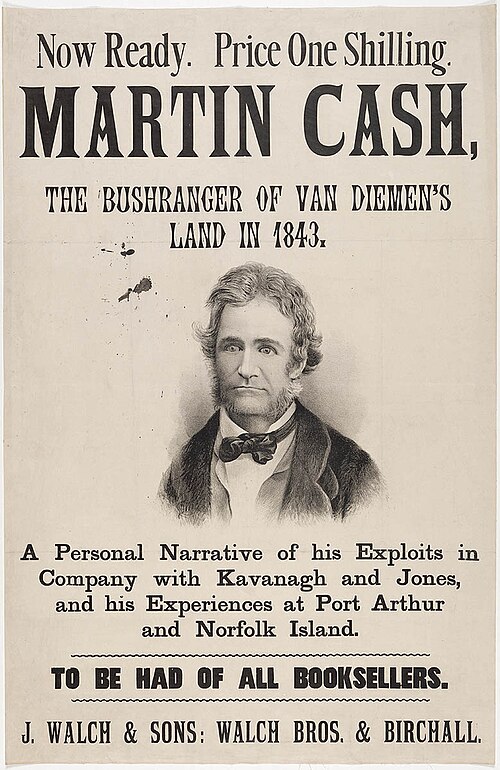
Martin Cash, Irish-born convict and bushranger, died on 26 August 1877 at his farm cottage in Glenorchy, Tasmania, aged 68. Twice he escaped from the supposedly escape-proof Port Arthur penal colony, the second time by swimming the shark-infested waters. On Boxing Day 1842, Cash and two companions absconded from a work party and launched an eight-month bushranging spree across Van Diemen’s Land, robbing mail coaches and homesteads before his eventual recapture. His 1870 autobiography, The Adventures of Martin Cash, ghostwritten by a fellow former convict, became a bestseller. He was one of the few bushrangers of his era to die of natural causes, cheating the gallows.

Martin Cash Author: The Bushranger of Van Diemen's Land in 1843
Martin Cash Author: The Bushranger of Van Diemen’s Land in 1843

⬅ See all events from 26 August

Spread the word on your favourite platform!
On This Day in True Crime History

Subscribe to Dark Stories

True crime stories, dark history and tour news, straight to your inbox.