On this day in True Crime History, the 9th of November, we encounter a tapestry of executions in Australian history, plus the kidnapping and ransom ordeal of a beer magnate - Alfred Heineken!
1854: ⚖️ The First and Only Public Execution in Gallows Flat, Geelong
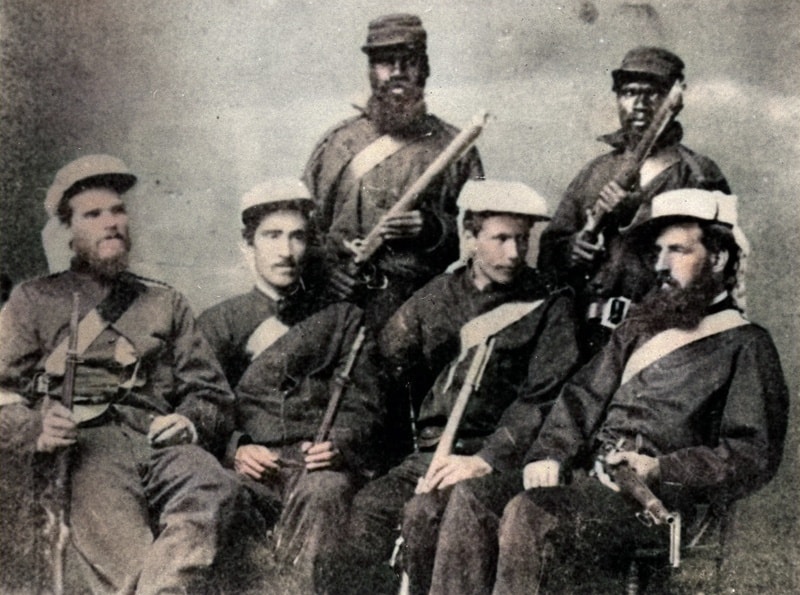
On this day in 1854, the enigmatic John Gunn, known as "Crankie Gunn" for his impolite and reckless reputation, met his grim fate.
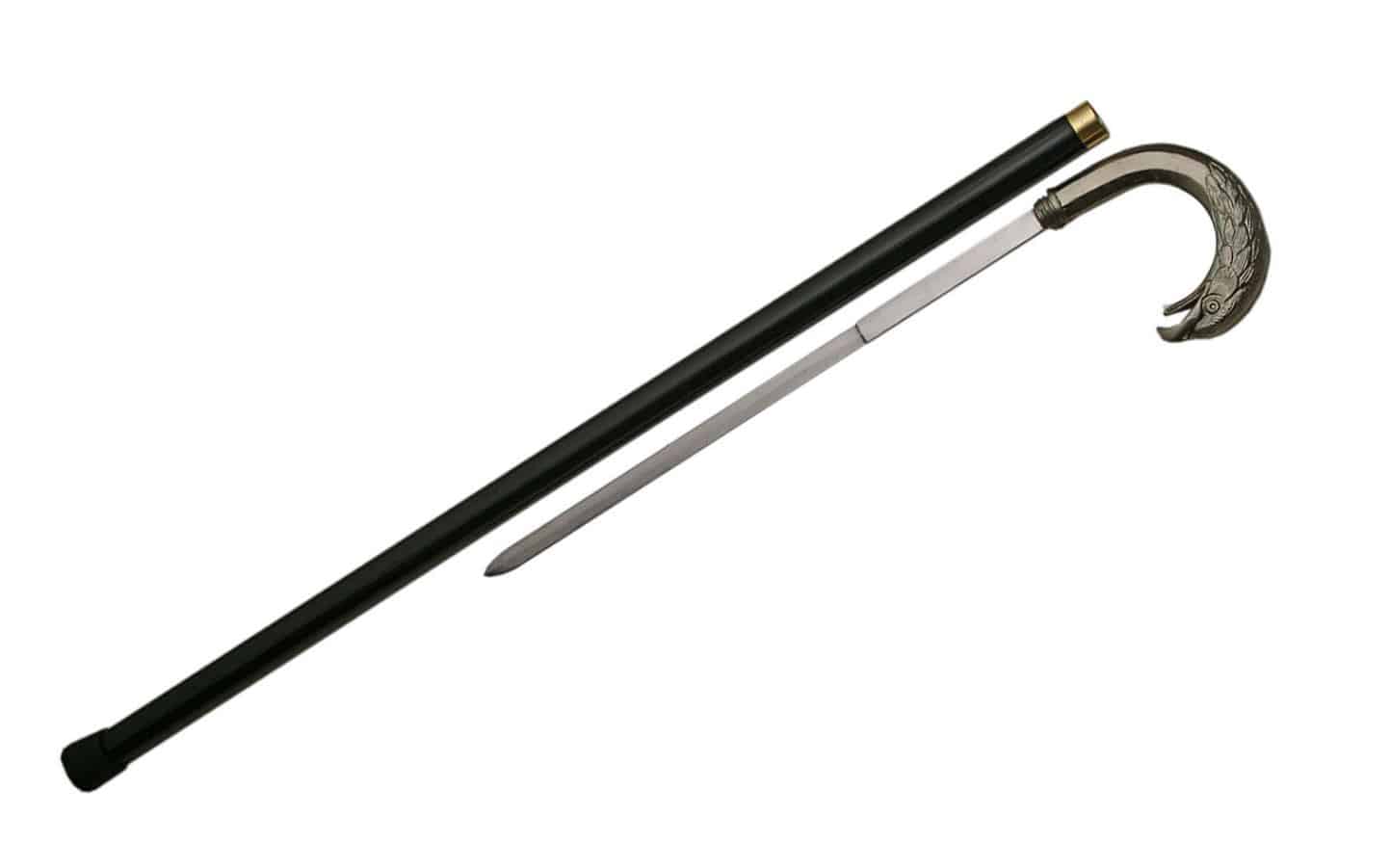
His execution came as a result of the murder of Samuel Harris in Warrnambool with a cane sword.
This was the sole public execution ever conducted in Geelong, held at the infamous Gallows Flat and witnessed by a crowd of 2,000 people.
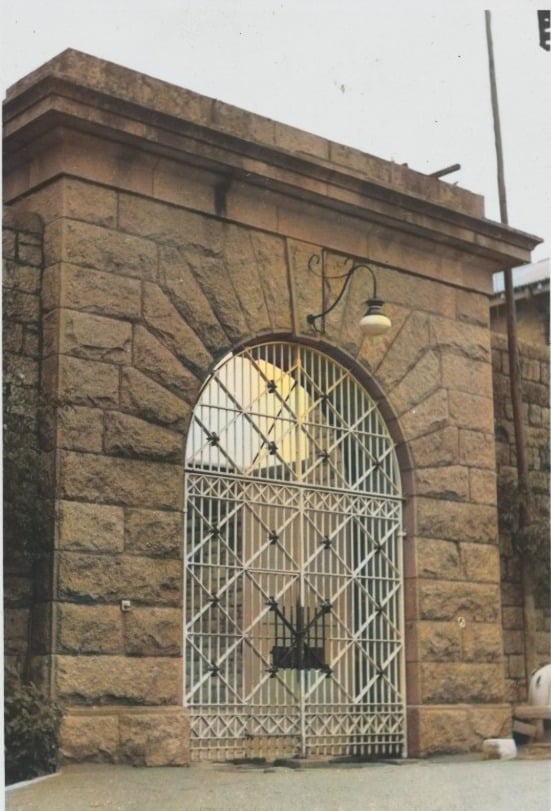
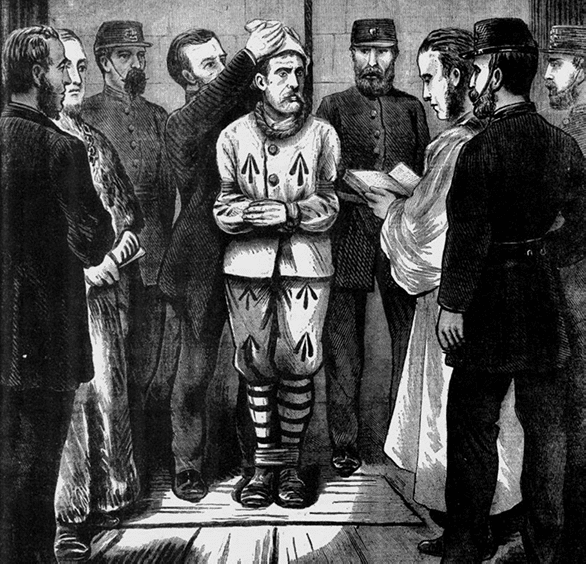
1888: ⚖️ Execution of George Syme for the Murder of his Mother-in-Law
On this day in 1888, George Syme was hanged for the shooting murder of his mother-in-law. In the peaceful town of Lilydale, Syme, a blacksmith, believed that his mother-in-law had meddled excessively in his life, and years of tension and excessive drinking had only worsened the situation.
Although some jurors had pleaded for mercy, Syme was found guilty of murder. A local reverend also appealed for clemency, pointing out the inopportune timing of an execution during Australia's centenary celebration.
Separated from his wife, Syme penned a remorseful letter on the eve of his execution, seeking forgiveness for the family rift he had caused before facing his execution with stoic resolve. ⚖️🔒
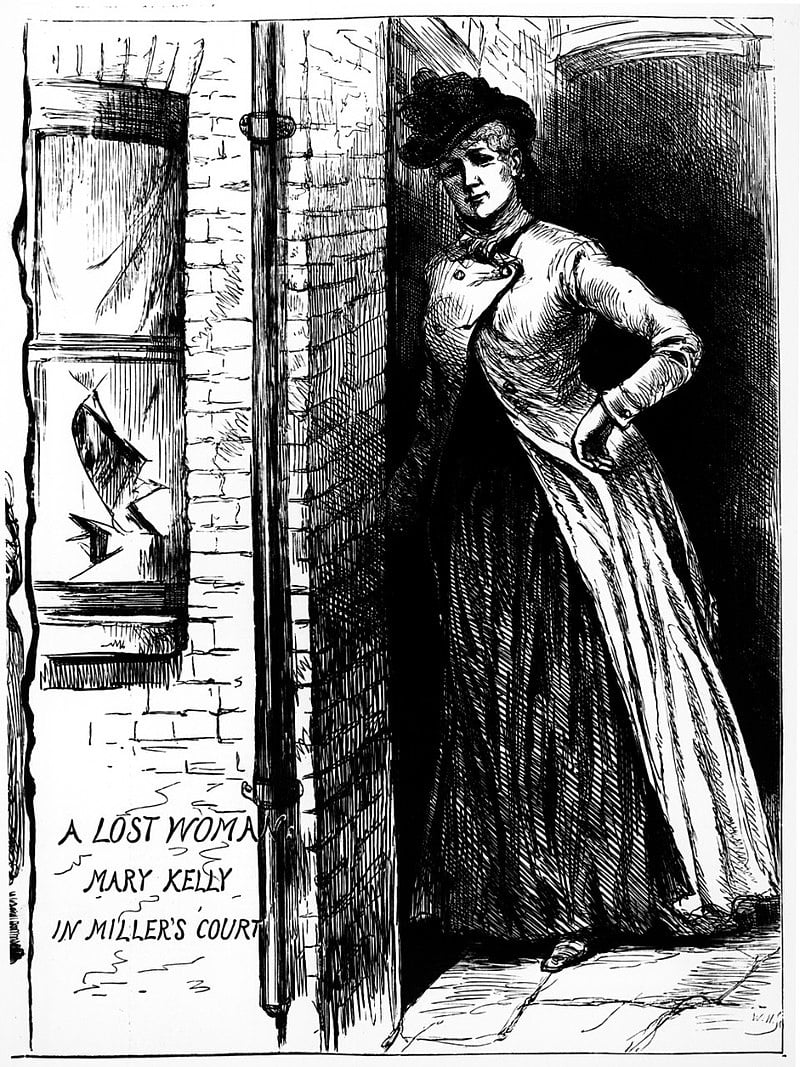
1888: ☠️ Jack the Ripper Claims His Final Victim - Mary Kelly
On this day in 1888, the infamous serial killer known as Jack the Ripper claimed what is considered to be his fifth and final victim, Mary Kelly(also known as Marie Jeanette Kelly, Fair Emma, Ginger, Dark Mary and Black Mary).
In a departure from his previous street killings, Mary Kelly met her gruesome end within the confines of her lodgings. Like the others, she was a prostitute and struggling with alcoholism.
The extent of mutilation inflicted upon Mary Kelly was so extreme that her physical appearance before the attack remains a mystery. To this day, the identity of her merciless killer remains unknown, shrouded in the shadows of one of history's most infamous unsolved mysteries. ☠️🕵️♂️🔪
1942: 🩸 Melbourne's Brownout Strangler - Eddie Leonski - Executed
On this day in 1942, Eddie Leonski, the perpetrator of the Brownout Murders in Melbourne, Australia, was executed for his gruesome crimes.
The Brownout Murders sent shockwaves through Melbourne during the tumultuous period of World War II. These gruesome killings were perpetrated by Eddie Leonski, an American soldier stationed in Melbourne. The chilling series of murders primarily targeted women. They occurred under the cover of darkness, coinciding with the wartime practice of "brownouts," which involved dimming streetlights to reduce the risk of enemy bombings.
Leonski's choice of victims and the horrific nature of his crimes created an atmosphere of fear and uncertainty in the city. As mounting evidence pointed to his guilt, he was apprehended and brought to trial. Ultimately, Eddie Leonski was convicted and sentenced to death. ⚖️🌃🔪
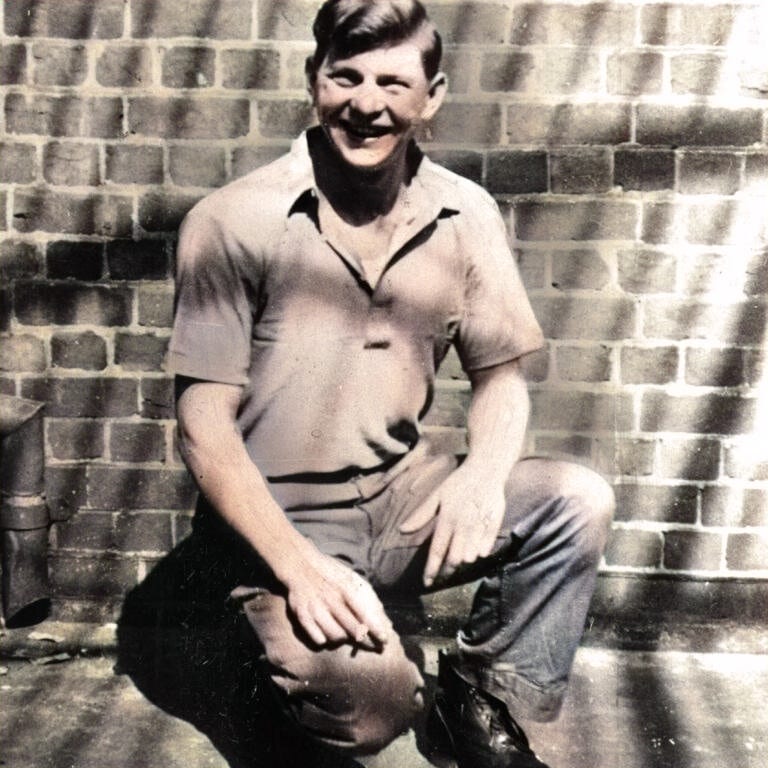
1965: 🔥 Protestor Roger Allen LaPorte's Self-Immolates in front of the United Nations
On this day in 1965, Roger Allen LaPorte, a 22-year-old former seminarian and member of the Catholic Worker Movement, carried out a harrowing act of protest against the Vietnam War.
He immolated himself at the United Nations headquarters in New York City, using self-immolation as a desperate and shocking gesture to draw attention to the conflict and the human toll it was taking.
LaPorte would survive for one more day. Despite his burns, he remained conscious and able to speak. When asked why he had burned himself, he replied, "I'm a Catholic Worker. I'm against war, all wars. I did this as a religious action."
The Vietnam War would end 10 years later in 1975. 🕊️🔥🌐
1983: 🍺 Tragedy Strikes with Beer Magnate Alfred Heineken's Kidnapping
On November 9, 1983, Alfred Heineken, the renowned beer brewer from Amsterdam, found himself at the centre of a meticulously planned and audacious kidnapping that would captivate the world.
Heineken, a member of the prominent Heineken brewing family, was abducted along with his chauffeur, Ab Doderer, and held hostage for a staggering ransom of more than $10 million.
Remarkably, several attempts to kidnap Freddy Heineken and his driver Ab Doderer at Heineken's home in Noordwijk had failed earlier when Heineken and Doderer did not show up, illustrating the kidnappers' determination.
The kidnappers, who had been meticulously preparing for this operation for two long years, executed their plot with chilling precision. This audacious crime sent shockwaves through the Netherlands and beyond as authorities and the Heineken family raced against time to secure the safe release of the two men.
After enduring three harrowing weeks in captivity, Heineken and Doderer were finally freed, marking the end of a high-profile kidnapping that had gripped the world's attention.
The dramatic resolution of this ordeal would later become the subject of books, films, and documentaries, forever etching the name Heineken into the annals of beer and criminal history. 🚗💰🕵️♂️
1998: 💰 Record $1.3 Billion Settlement in NASDAQ Price Fixing Case
On this day in 1998, a significant legal milestone was reached as 37 brokerage houses were ordered to pay a historic $1.3 billion civil settlement. This ruling marked the largest civil settlement in U.S. history up to that point. The settlement responded to allegations of price fixing in the NASDAQ stock market.
The case centred around claims that brokerage firms had engaged in unfair and anti-competitive practices that harmed NASDAQ investors. As a result of this landmark settlement, these brokerage houses were required to compensate NASDAQ investors for the damages caused by the alleged price fixing.
The true crime here is that this incident serves as another example of white-collar finance industry law-breaking, and the consequent destruction of people's lives, being treated as a civil matter instead of a criminal matter. No one went to jail. 💰⚖️📈
That's all for the 9th November in history. May all your crimes be considered white-collar civil matters that don't require prison time. May you be guilty of nothing more serious than the kidnapping of many more beers in the years to come.
In the meantime, consider joining us on a Dark Stories True Crime Tour soon!
Spread the word on your favourite platform!