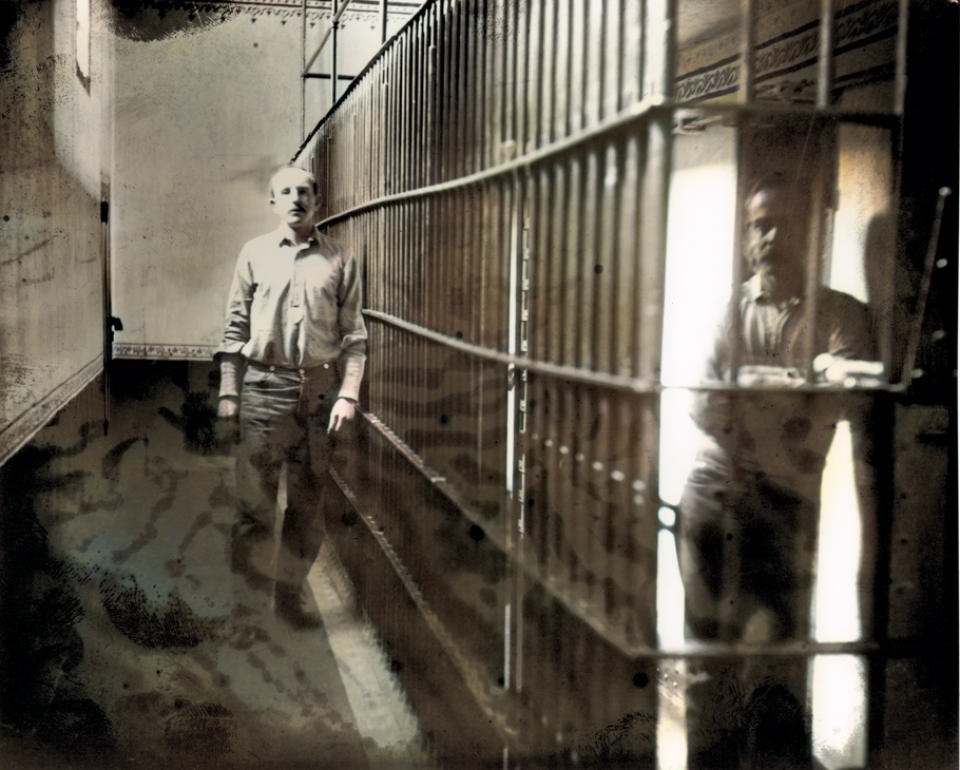
John Trippuck is known across old England as the Golden Tinman: a highwayman so notorious that he once bought his own pardon with money stolen at gunpoint. Now, with that pardon spent and a fresh charge against him, Trippuck sits in Newgate bargaining with the prison chaplain, convinced a few coins and the right connections can save him once more.
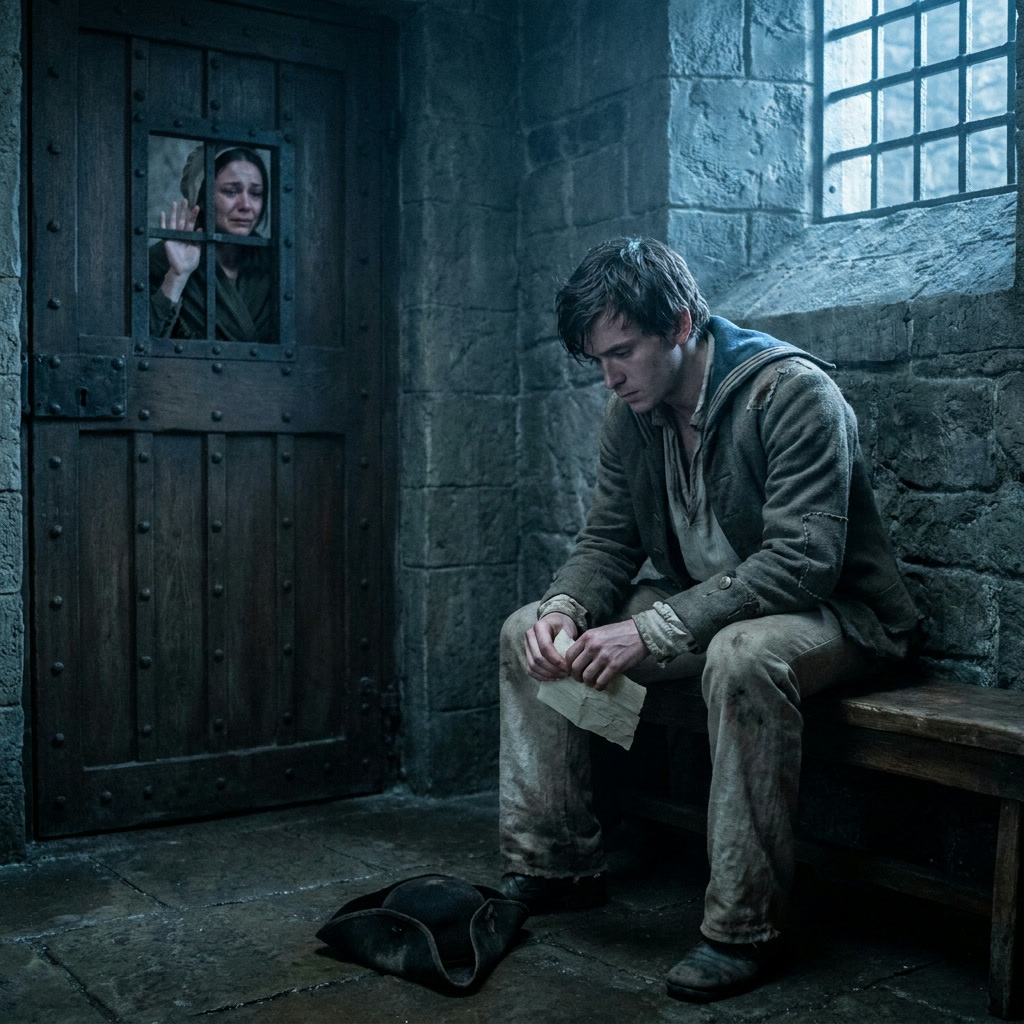
He is not the only man waiting in that cell. Richard Cane, a young footpad who robbed a drunk stranger to pay for a marriage licence, weeps alongside the woman he never married. Richard Shepherd, an Oxford housebreaker who escaped the noose once by betraying his accomplices, has run out of names to sell. And Thomas Charnock, a clerk who looted his master's counting house, discovers that making a show in the world can mean standing on the scaffold.
Four lives tangled in desperation and bad choices in old England, and four very different roads to the same end.
Follow the podcast so you never miss an episode:
FROM THE 1735 TEXT
Will not these, good doctor, and the vast pains I have endured, in some sort lessen the heinousness of the facts I may have committed?
Dark Lexicon: Old words. Dark meaning.
The past speaks its own dialect; here is what to listen for in this episode.
Golden Tinman: a nickname echoing 'the Golden Farmer,' another celebrated highwayman of old England. 'Tinman' was slang for a man who dealt in tin or cheap metal goods; paired with 'golden,' it hinted at someone who dressed up a rough trade with stolen wealth.
footpad: a robber who worked on foot, unlike the mounted highwayman. In old England the distinction mattered: the footpad was considered lower, meaner, more desperate; he had no horse for a dramatic escape and often relied on brute surprise.
cast: today you might be cast in a play; in old England's courts, to be 'cast' meant to be found guilty. The word carried a sense of being thrown down, discarded by the jury's verdict.
fuddled: drunk, muddled with drink. Richard Cane's victim was 'somewhat fuddled,' meaning tipsy enough to be easy prey but alert enough to cry out for help.
turned off: the moment the executioner removed the support beneath a condemned person's feet on the gallows. In old England there was no trapdoor; you were literally turned off a ladder or a cart, left to swing.
impeaching: today impeachment is a political procedure, but in old England it meant informing on your accomplices in exchange for leniency. Shepherd saved himself once by impeaching two of his partners in crime; it bought him time but not redemption.
ingenious confession: 'ingenious' here means 'ingenuous,' that is, frank and honest. The Ordinary was not asking Trippuck for a clever confession but for a candid one: a full unburdening of the soul before death.
the Ordinary: the chaplain of Newgate Prison, whose job it was to prepare condemned prisoners for death. In old England the Ordinary often published accounts of his final conversations with the condemned; a grim mixture of pastoral care and tabloid journalism.
About This Series
Lives of the Most Remarkable Criminals (1735) is one of the earliest works of true crime in the English language. Each week this podcast retells one of its stories for today's listener, keeping the old book's most striking lines.