1791: James Chapman Hanged in Sydney for Burglary One Day After Sentencing

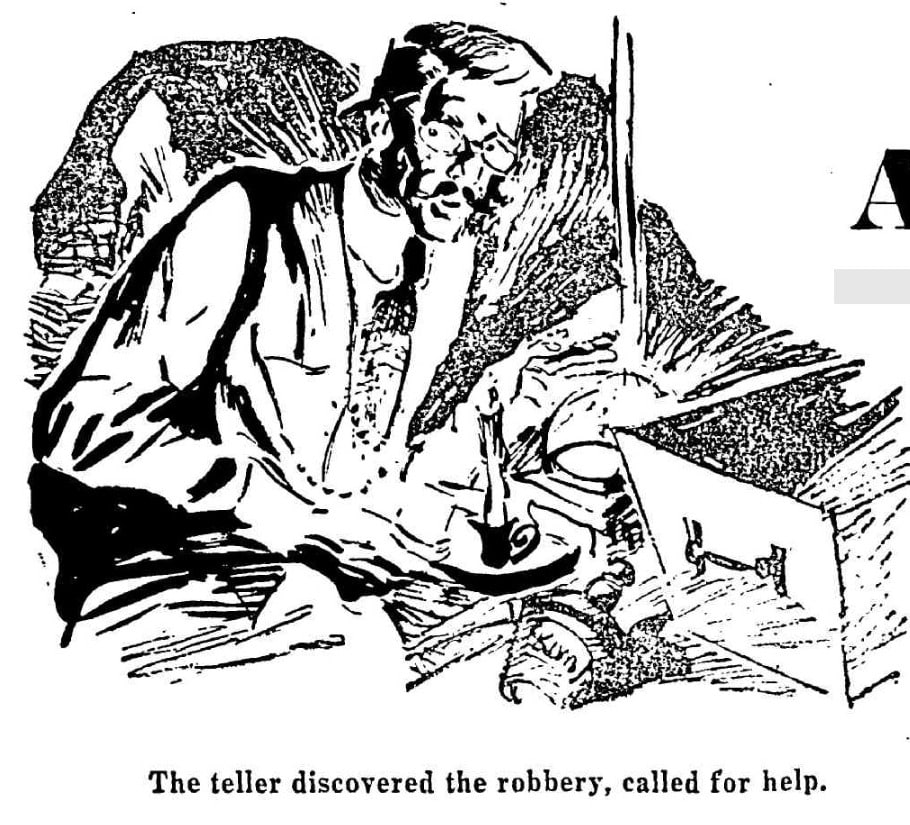
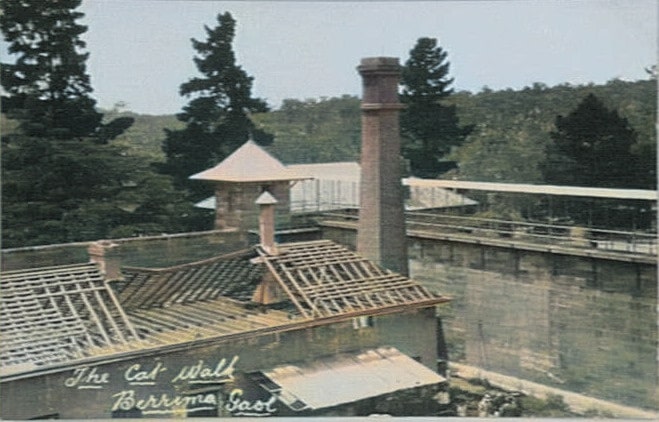
James Chapman arrived in New South Wales in June 1790 aboard a Second Fleet vessel, already a convicted burglar who had stolen fowls from a Hampshire farm in 1787 and been reprieved from death in exchange for transportation for life. Working as a labourer at Parramatta, he lasted barely a year before again crossing into crime, breaking and entering the home of John Petrie in July 1791 and stealing clothing and other goods, with additional charges relating to property belonging to John Medcalf.

Chapman pleaded guilty before the Court of Criminal Jurisdiction on 19 July 1791 and was sentenced to death. He was hanged in Sydney the following day, aged around 29. A man named Joseph Hatton, charged with receiving the stolen goods, was sentenced to 500 or 800 lashes.

James Chapman Hanged in <a href='https://darkstories.com.au/sydneytruecrimetour/' target='_blank' rel='noopener noreferrer'>Sydney</a> for Burglary One Day After Sentencing

⬅ See all events from 28 July

True Crime Scene Tape

1794: The Fall of Robespierre: The Architect of the Terror Meets the Guillotine

Maximilien Robespierre, the lawyer turned revolutionary who came to embody the ruthless machinery of the French Revolution, was executed by guillotine in Paris on 28 July 1794. As the dominant force on the Committee of Public Safety, he had overseen the Reign of Terror, a period in which thousands were sent to the blade in the name of republican virtue. His own arrest, the day before, had come swiftly after the National Convention turned against him.

The man who had signed so many death warrants met the same end he had prescribed for others. Wounded during his arrest, reportedly from a gunshot to the jaw, he was carried to the scaffold in agony. His execution marked the end of the Terror and the beginning of the Thermidorian Reaction, a conservative turn that dismantled much of what he had built.

Arrest of Robespierre during revolutionary unrest

⬅ See all events from 28 July

True Crime Scene Tape

1996: The Ivan Milat Verdict: Seven Murders, Life Without Parole

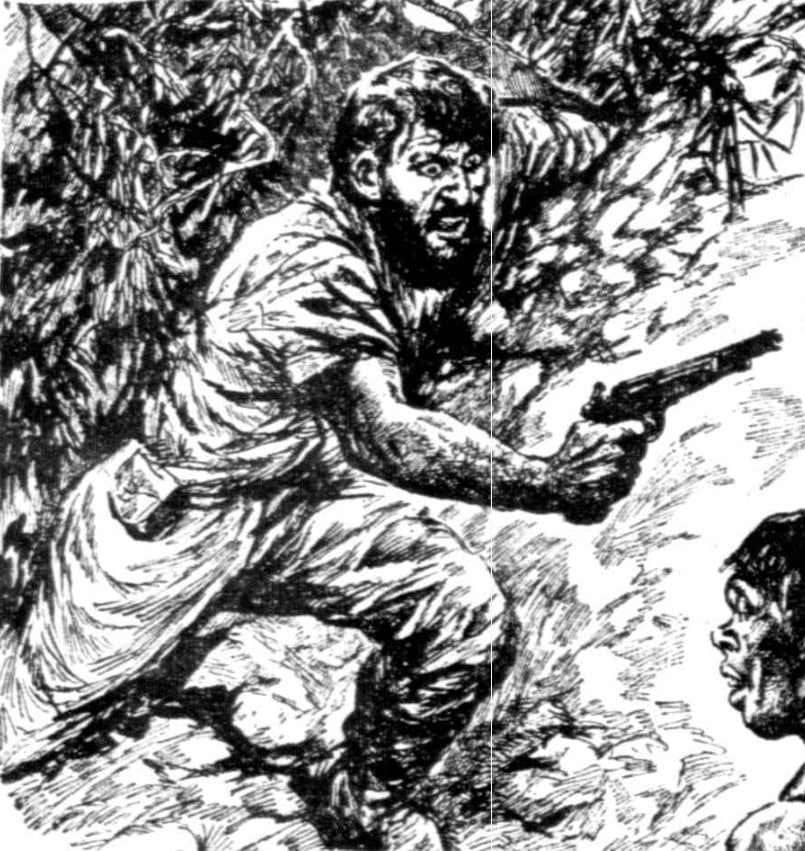
Ivan Robert Marko Milat, known as the Backpacker Murderer, was found guilty on 27 July 1996 of seven counts of murder, the worst serial killing case in Australian history. His victims, mostly young backpackers travelling the Hume Highway between Sydney and Melbourne between 1989 and 1992, were lured under the pretence of a lift before being taken into the Belanglo State Forest in New South Wales and murdered.

Milat was sentenced to life imprisonment without possibility of parole and spent 25 years appealing his sentence. Police remained confident he was responsible for more killings than those proven at trial. He died in custody on 27 October 2019.

The <a href='https://darkstories.com.au/belanglo-state-forest-ivan-milat/' target='_blank' rel='noopener noreferrer'>Ivan Milat</a> Verdict: Seven Murders, Life Without Parole
#image_title

⬅ See all events from 27 July

True Crime Scene Tape

1890: Van Gogh Falls to a Self-Inflicted Wound in a French Wheat Field

On 27 July 1890, Vincent van Gogh walked into the wheat fields near Auvers-sur-Oise, France, and shot himself in the chest with a revolver. The wound was not immediately fatal; he staggered back to his lodgings at the Auberge Ravoux, where a doctor attended to him.

Van Gogh died two days later, on 29 July 1890, aged 37, with his brother Theo at his side. He had produced more than 2,000 works in a decade of furious creativity, yet sold only one painting during his lifetime.

Vincent van Gogh - Stairway at Auvers
Vincent van Gogh – Stairway at Auvers

⬅ See all events from 27 July

True Crime Scene Tape
On This Day in True Crime History

Subscribe to Dark Stories

True crime stories, dark history and tour news, straight to your inbox.