1939: The Last Judicial Execution in New South Wales History

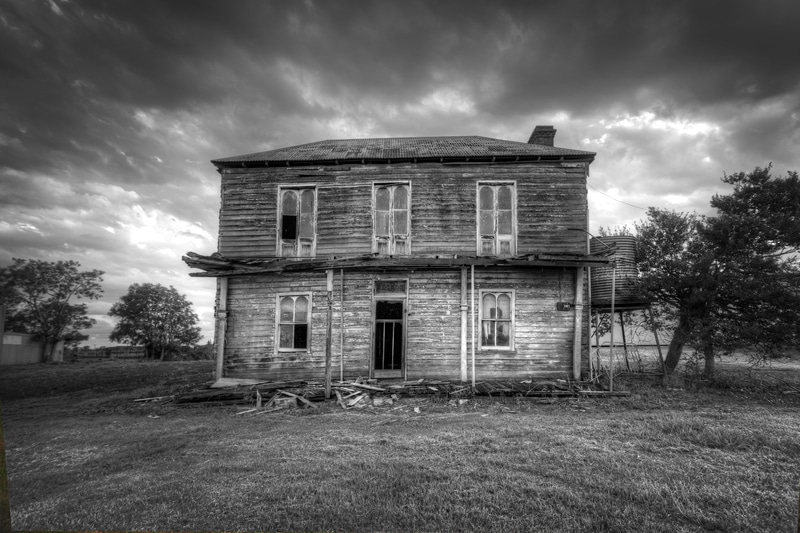
John Trevor Kelly, 24, was hanged at Long Bay Gaol near Botany Bay, Sydney, shortly after eight in the morning of 24 August 1939. He had been convicted of the axe murder of Marjorie Constance Sommerlad at Hillcrest farm near Tenterfield, where he had been working alongside her and her brother Eric. During the attack, Kelly also struck Eric Sommerlad with the same axe, though Eric survived. Appeals to the Court of Criminal Appeals and the High Court both failed.

Kelly became the last person judicially executed in New South Wales. His father, a well-known figure in Lismore and northern New South Wales, mounted a public appeal arguing that other killers had received commuted sentences, and that his son had no control of himself when drinking. Authorities refused to intervene.

John Trevor Kelly axe murderer.

⬅ See all events from 24 August

Spread the word on your favourite platform!

1572: The Red Wedding in St Bartholomew

On August 18, 1572, Protestant Henry of Navarre married Catholic Margaret of Valois in Paris, a union designed to end the bloody civil war between France’s Catholics and Huguenots. The peace did not hold. Just days later, on August 24, King Charles IX, acting under the influence of Catherine de’ Medici, authorised a wave of targeted killings against Protestant leaders in Paris.

What began as a series of assassinations spread into mass mob violence across France. Estimates of the death toll range from thousands to as many as 50,000, as Catholic mobs hunted down Huguenots in city after city. The wedding that was meant to unite a fractured nation had become the prelude to one of the worst religious massacres in European history.

Blood-soaked bride in lingerie holding knife lying on floor

⬅ See all events from 24 August

Spread the word on your favourite platform!

1305: William Wallace Hanged, Drawn, and Quartered at Smithfield

William Wallace, the Scottish knight and military leader who had defied English rule for nearly a decade, was captured in August 1305 and swiftly tried for treason and atrocities against English civilians. Brought before a tribunal in Westminster Hall, he denied the charge of treason on the grounds that he had never sworn allegiance to the English crown, but the verdict was a foregone conclusion.

On 23 August 1305, Wallace was dragged through the streets of London to Smithfield, where he was hanged, cut down while still alive, disembowelled, beheaded, and his body divided into four parts. His head was displayed on London Bridge; his limbs were sent to Newcastle, Berwick, Stirling, and Perth as a warning to those who would resist English rule. He became the most enduring symbol of Scottish resistance.

William Wallace statue outside Stirling Castle Scotland

⬅ See all events from 23 August

Spread the word on your favourite platform!

1895: The Wild Scotchman: Death of Queensland Bushranger James Macpherson

James Alpin Macpherson, known as the Wild Scotchman, was one of Queensland’s most notorious bushrangers before his capture and imprisonment. Released from prison in 1874, he lived out the remainder of his days quietly, working as a stockman and station overseer far from his outlaw past.

Macpherson died on 23 August 1895 at Burketown, Queensland, aged 53, after falling from a horse. The man who had once terrorised the bush met his end not in a blaze of gunfire, but in an ordinary accident on the land he had spent his later years working.

Portrait of bushranger James MacPherson 1866

⬅ See all events from 23 August

Spread the word on your favourite platform!
On This Day in True Crime History

Subscribe to Dark Stories

True crime stories, dark history and tour news, straight to your inbox.