Archives: Dark Stories: On This Day In True Crime History - Page 38
Edgar Allan Poe vanished for nearly a week before he turned up outside a Baltimore, Maryland tavern being used as a polling place, incoherent and wearing clothes that were not his own. He was taken to Washington College Hospital, where he drifted in and out of consciousness for four days.
Witnesses said he repeatedly called out the name Reynolds in his final hours, a man no one has ever identified. Poe died on 3 October 1849 at age 40, and no doctor ever agreed on what killed him, leaving one of American literature’s most famous authors with one of its strangest unsolved endings.
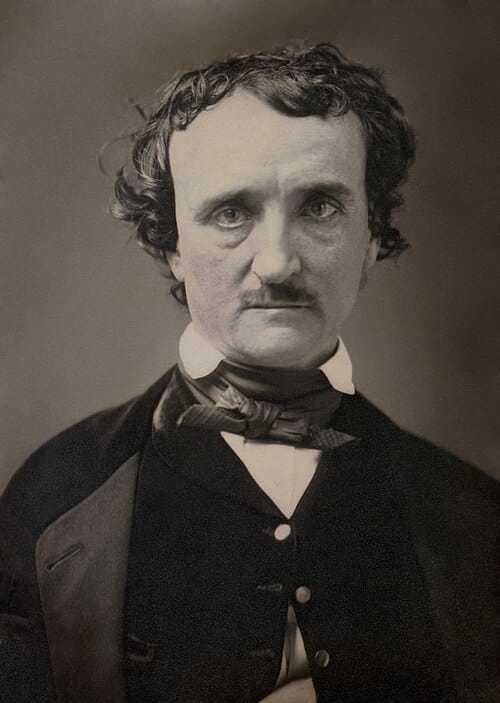
Restored portrait photo of Edgar Allan Poe circa 1849
Sixteen-year-old Nancy Wilcox vanished from Holladay, Utah in 1974, one of a string of young women who disappeared across the state that year without a trace. No body was ever found, no arrest followed, and for years her family had only questions.
The answer came from Ted Bundy himself. Awaiting execution years later, he confessed to her murder as part of a wider accounting of his crimes, admitting to a killing police had never been able to solve. Her remains have still never been recovered.
Carol DaRonch had already escaped once. In 1974 a man posing as a police officer lured her to his car, snapped a handcuff on her wrist and tried to force her into it; she fought free, leapt from the moving vehicle and ran.
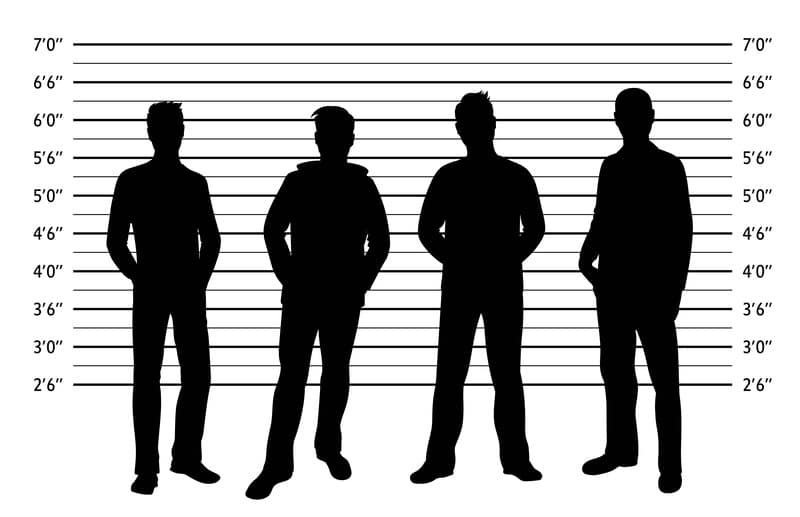
Months later she stood in a police lineup with two other women and picked out the same face: Ted Bundy. He was arrested and charged with her attempted kidnapping, denied any wrongdoing, and waived his right to a jury trial, gambling that a judge alone would be less swayed by the growing suspicion linking him to a string of disappearances across several states.
DaRonch’s escape and her identification became one of the threads that eventually unravelled Bundy’s double life, feeding directly into the case that first put him behind bars.
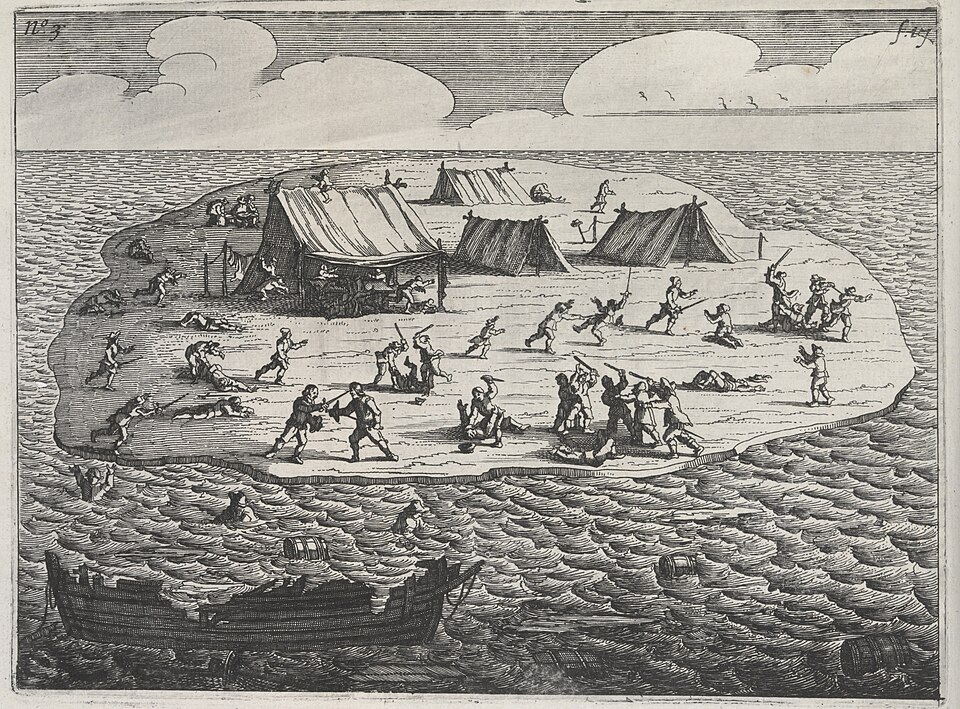
When the Dutch East India Company ship Batavia wrecked on a reef off Western Australia in 1629, disgraced merchant Jeronimus Cornelisz seized control of the survivors stranded on the barren Houtman Abrolhos islands. Fearing his crimes would be exposed once rescue came, he set his followers to killing anyone who might oppose him or drain the group’s meagre food and water. Over the following weeks his men murdered at least 125 men, women and children, drowning some and butchering others, while a small band of soldiers under Wiebbe Hayes held out against them on a nearby island.
When commander Francisco Pelsaert finally returned with a rescue ship, Cornelisz had already been captured. He and six of his men were hanged on Long Island in the Houtman Abrolhos on 2 October 1629, the first Europeans executed on Australian soil; Cornelisz had both hands amputated before he was strung up. Two lesser offenders were marooned on the mainland instead, becoming the first Europeans known to live in Australia.
Confessions were extracted from several of the mutineers under torture before the executions were carried out.