1901: President McKinley’s Killer Sentenced to Death After Jury Deliberates Barely an Hour

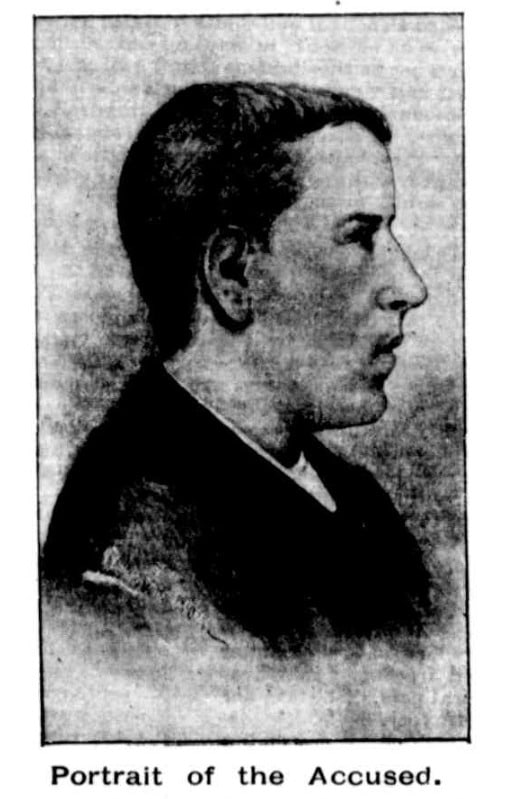
Leon Czolgosz shot President William McKinley on 6 September 1901 at the Pan-American Exposition in Buffalo, New York, firing two shots from a revolver he had concealed inside a handkerchief. McKinley lingered for eight days before dying of his wounds on 14 September.

Czolgosz’s trial opened on 23 September. The jury took less than an hour to find him guilty, and on 26 September he was sentenced to death. He was executed in the electric chair at Auburn Prison on 29 October 1901, and prison officials later poured acid into his coffin to prevent the grave becoming a shrine.

Czolgosz showed no remorse for the killing. From the scaffold he declared, “I killed the President because he was the enemy of the good people, the good working people. I am not sorry for my crime.”
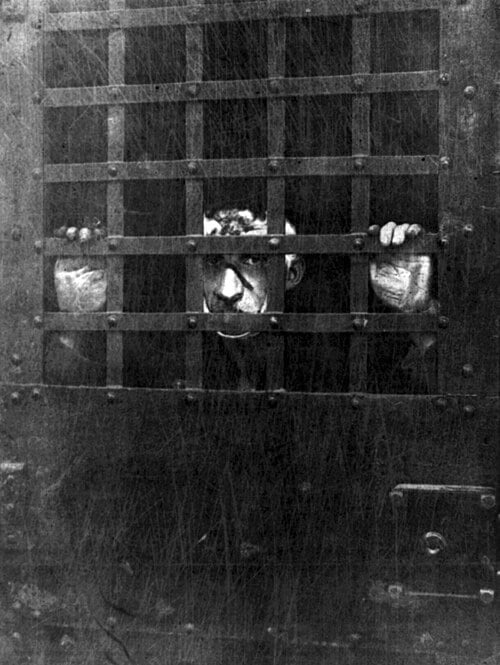

Leon F Czolgosz in Jail

⬅ See all events from 26 September

Spread the word on your favourite platform!
True Crime Scene Tape

1892: He Stood at the Roadside as the Body Went By: a Brisbane Teenager Hanged for Murder

Frank Horrocks was barely 17, the son of a senior Queensland civil servant and only a year out of grammar school in Brisbane, when he was charged with murder. As police carted the body of his victim to the morgue, Horrocks was reportedly standing at a road junction, watching it pass.    Rudolph Weissmuller, 20, was a newly arrived immigrant looking for bush work, and Horrocks was the only fellow lodger he confided in. In April 1892 the pair left their boarding house together; only Horrocks came back, and he slipped away that night without paying his board. The body was found in the bush beside a small tomahawk, the twin of one Horrocks had bought the day before. He gave a false name when arrested, which proved useless: the detective sent to collect him had known him since he was a little boy.    Pleas for mercy on the grounds of his youth and unsound mind were refused. Several hundred people, some with infants in their arms, gathered outside the gaol on the morning of the execution. Horrocks had slept soundly and eaten a hearty breakfast, stood “steady as a rock” on the scaffold and never spoke.    On his arrest he had insisted “I did not kill him”, but before the end he sent a confession to the Governor, admitting the deed and the justice of his sentence.

Frank Horrocks Unmoved

⬅ See all events from 26 September

Spread the word on your favourite platform!
True Crime Scene Tape

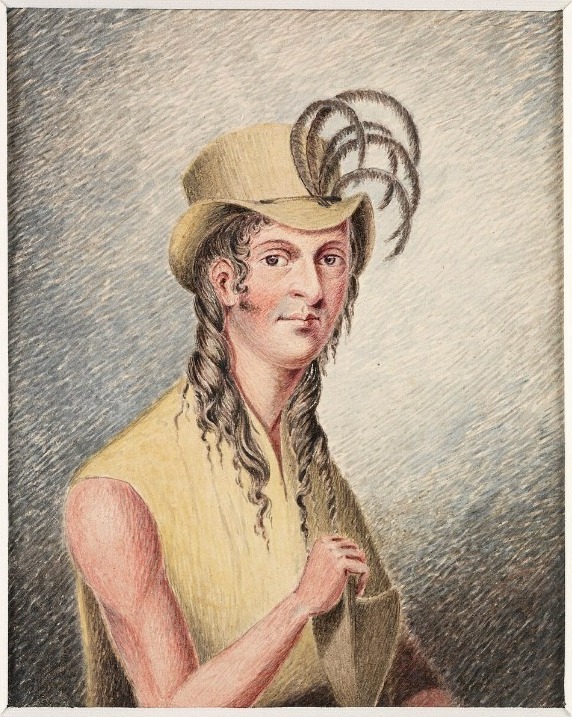
1764: Born to Mutiny: Fletcher Christian, the Man Who Cast Captain Bligh Adrift

Fletcher Christian was born on 25 September 1764 in Cumberland, England, decades before he would become one of history’s most infamous mutineers. In April 1789, as master’s mate aboard HMS Bounty, he led a revolt against Captain William Bligh, seizing the ship in the South Pacific after months of tension during the vessel’s breadfruit-collecting voyage.

Rather than kill Bligh, Christian set him adrift in a small open boat with eighteen loyal crew members and minimal supplies. Bligh went on to complete an extraordinary 3,618-mile voyage to safety in Timor, a feat of navigation still studied today.

Christian and his fellow mutineers eventually settled on remote Pitcairn Island with a group of Tahitian men and women, burning the Bounty to avoid detection. The fate of the settlement descended into violence within years, and the exact circumstances of Christian’s own death remain disputed, with some accounts claiming he was killed by fellow settlers and others suggesting he secretly returned to England.

Portrait of Friday Fletcher October Christian son of Bounty mutineer Christian Fletcher 1814 by John Shillibeer

⬅ See all events from 25 September

Spread the word on your favourite platform!
True Crime Scene Tape

1860: Flogged as a Soldier, Broken on Norfolk Island, Hanged at Hobart: the Ruin of a Convict

Moments after the bolt was drawn at the Campbell Street Gaol in Hobart, the chaplain stepped forward and read aloud a letter the dead man had written the day before in the condemned cell. It was addressed “To all men at Port Arthur”, and Martin Lydon had begged that it be made public.

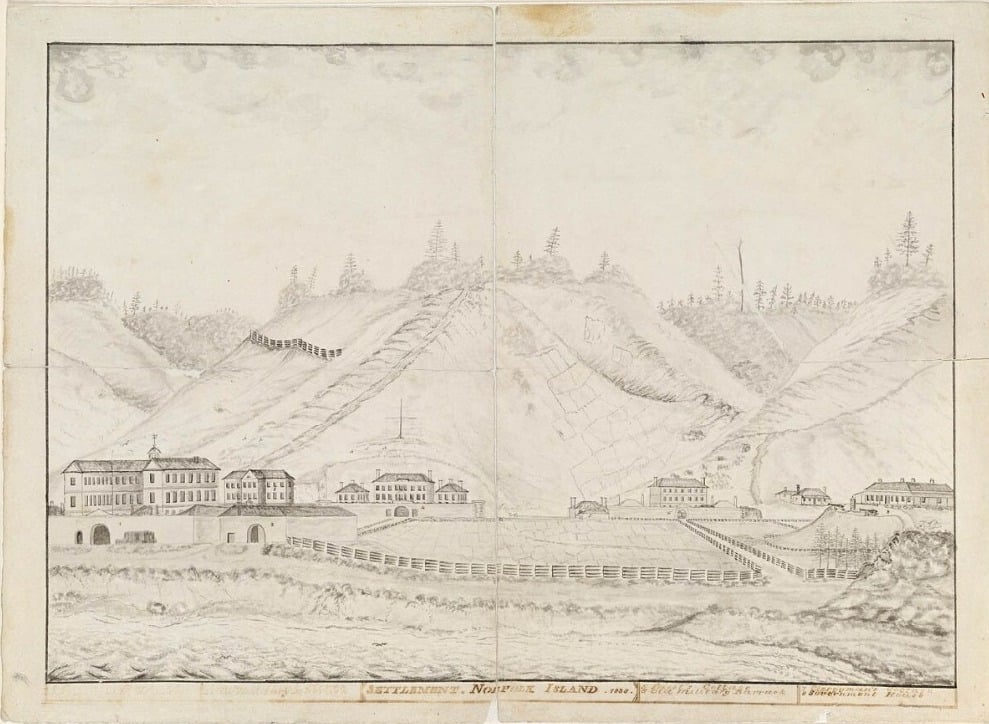
It was the story of a ruined life in a few lines. Disobedient at ten, a soldier at 16, Lydon struck an officer of his company in a moment of anger and was flogged: “this ruined me”. He came to hate the army and took to drink, and further violence saw him transported. “The vileness of Norfolk Island turned me into an animal,” he wrote. Only three weeks earlier, in H division, he had boasted that he did not care about being hanged. Now he called that his “wicked flashiness”: “Every man about to die must fear the judgment of God.”

Lydon had been capitally convicted in the Supreme Court of a felonious assault at Port Cygnet, south of Hobart, committed while drunk, a crime that then carried the death penalty. Lydon disputed part of the evidence given at his trial, but he did not dispute the sentence: what he had done in his drunkenness, he wrote, deserved death. “May the drunkenness that brought on me this misery be a warning to all of you.”

Norfolk Island settlement, 1838. Ink and wash drawing, artist unknown. State Library of New South Wales, SV8/Norf I/5.

⬅ See all events from 25 September

Spread the word on your favourite platform!
True Crime Scene Tape
On This Day in True Crime History

Subscribe to Dark Stories

True crime stories, dark history and tour news, straight to your inbox.