Archives: Dark Stories: On This Day In True Crime History - Page 22
1826: Escaped Convicts Turned Highway Robbers: Two Hanged After Fleeing Macquarie Harbour
John Taylor and George Waters had absconded from the notorious penal settlement at Macquarie Harbour, Van Diemen’s Land’s infamous secondary punishment station for repeat offenders, before turning to highway robbery. Their crime involved robbing soldiers of their arms, a particularly bold offence that ultimately led to their conviction.
Both men were sentenced to death on 2 September 1826 and hanged together at Hobart just eleven days later, on 13 September 1826.
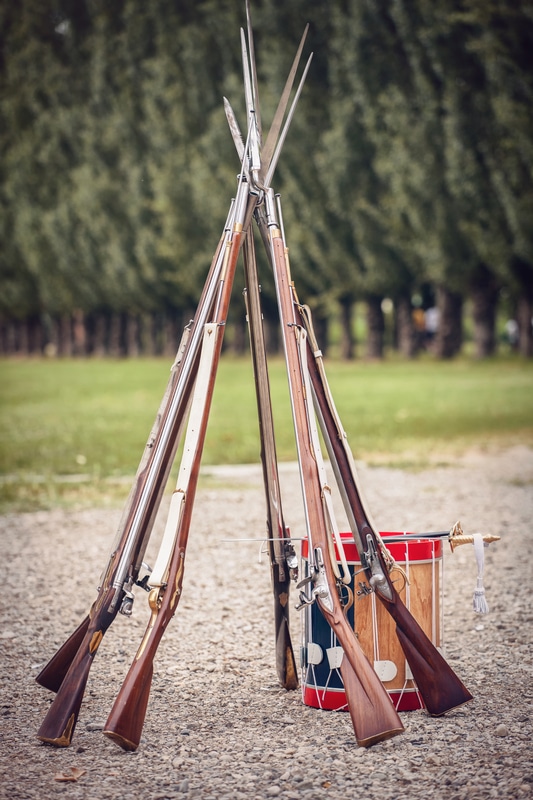
British Army drum and muskets historical military equipment
1826: A Colonial Newspaper Pleaded for Mercy: Two Men Hanged at Hobart for the Murder of a Stock-Keeper
Thomas Colley, a stock-keeper at Oyster Bay in Van Diemen’s Land, was speared to death in 1826. Contemporary reports said the elder of the two Aboriginal men accused had concealed himself behind a fence, waited for his opportunity, then speared Colley. Both men were also charged in connection with the wounding of Colley’s employer.
Before trial, the elder man was reported to be suffering from leprosy and was kept apart from the other prisoners. During the hearing, he reportedly attempted to show that he did not understand English, although evidence was given that he spoke the language with reasonable ease.
Both men were convicted. At sentencing, one denied killing Colley and said the other man had thrown the spear, while his co-accused made no statement. Sentence of death was passed on 2 September 1826, and both men were hanged at Hobart on 13 September.
A contemporary newspaper questioned whether Aboriginal Tasmanians, with little or no knowledge of British law or Britain’s claim to their land, should be subjected to a legal system imposed by colonists. It also argued that the executions would have little deterrent effect, since other Aboriginal people were unlikely to witness them or even hear of them, and appealed for the condemned men’s lives to be spared.
Antique silver pocket watch resting on a vintage newspaper
1866: The Wild Scotchman Handed a Harsh 25 Years for Mail Robbery
Bushranger James Macpherson, known as the Wild Scotchman, was found guilty at Maryborough of robbing the local mails and sentenced to two concurrent 25-year terms. The presiding judge made clear the sentence was deliberately severe, intended as a warning to deter other would-be bushrangers from following his example.
The punishment stood out for its length even by the standards of colonial Queensland justice, reflecting how seriously authorities viewed the ongoing threat of mail robbery to the colony’s roads and communications.
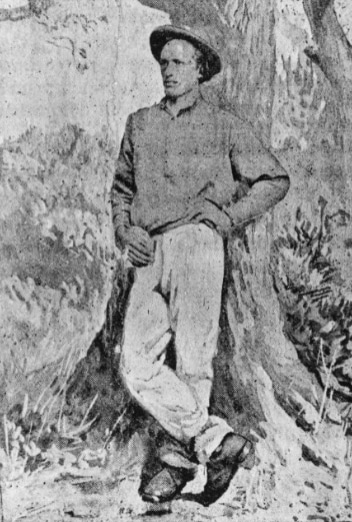
Portrait of bushranger James MacPherson 1866: The Wild Scotchman
1824: Queensland’s First Convict Colony Founded, Then Abandoned for Brisbane Within a Year
On this day, Lieutenant Henry Miller led a party of convicts and soldiers ashore at Redcliffe on Moreton Bay to establish the first European settlement in the region that would later become Queensland. The site had been recommended by explorer John Oxley as a suitable location for a new penal outpost, but the choice quickly proved a poor one.
The choice proved a poor one. Fresh water was scarce, the anchorage was exposed and unsafe for shipping, and within a year the entire settlement was abandoned. The colony was relocated south along the river to a site that would grow into the city of Brisbane, which soon eclipsed Redcliffe as the region’s principal convict station.
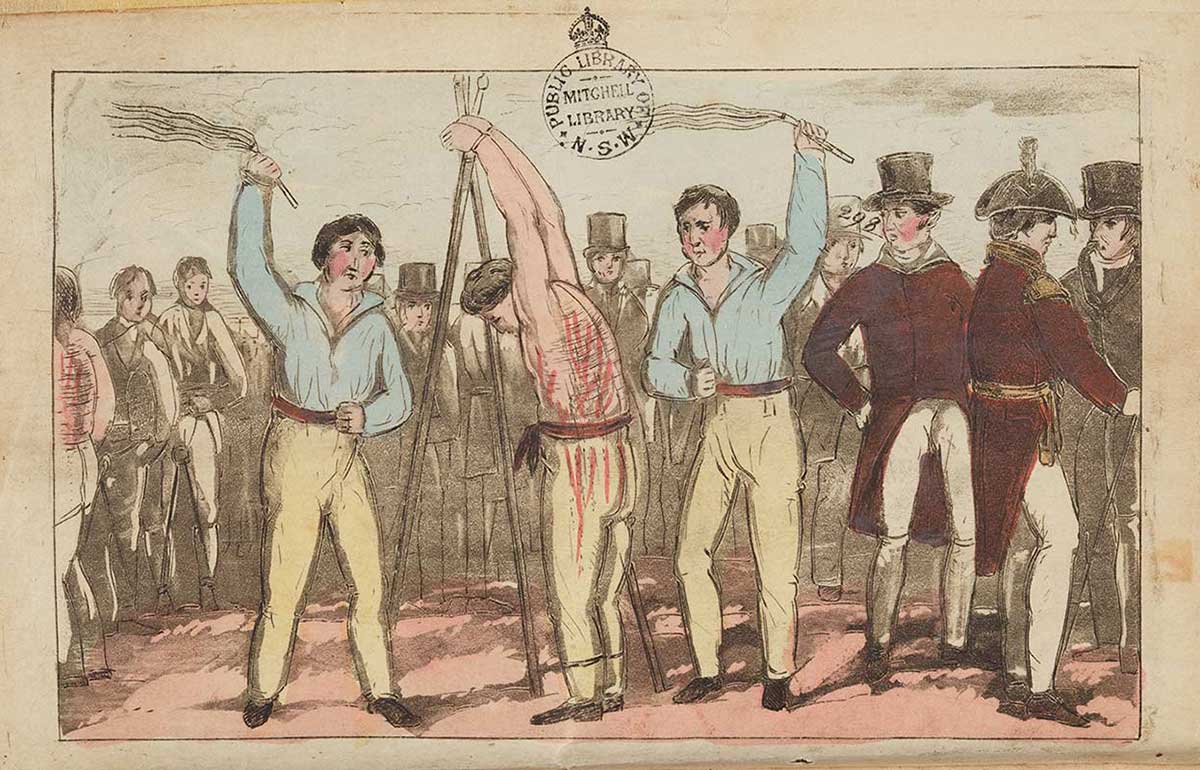
Flogging a Convict at Moreton Bay by William Ross: illustration from The Fell Tyrant