Moments after the bolt was drawn at the Campbell Street Gaol in Hobart, the chaplain stepped forward and read aloud a letter the dead man had written the day before in the condemned cell. It was addressed “To all men at Port Arthur”, and Martin Lydon had begged that it be made public.

It was the story of a ruined life in a few lines. Disobedient at ten, a soldier at 16, Lydon struck an officer of his company in a moment of anger and was flogged: “this ruined me”. He came to hate the army and took to drink, and further violence saw him transported. “The vileness of Norfolk Island turned me into an animal,” he wrote. Only three weeks earlier, in H division, he had boasted that he did not care about being hanged. Now he called that his “wicked flashiness”: “Every man about to die must fear the judgment of God.”

Lydon had been capitally convicted in the Supreme Court of a felonious assault at Port Cygnet, south of Hobart, committed while drunk, a crime that then carried the death penalty. Lydon disputed part of the evidence given at his trial, but he did not dispute the sentence: what he had done in his drunkenness, he wrote, deserved death. “May the drunkenness that brought on me this misery be a warning to all of you.”
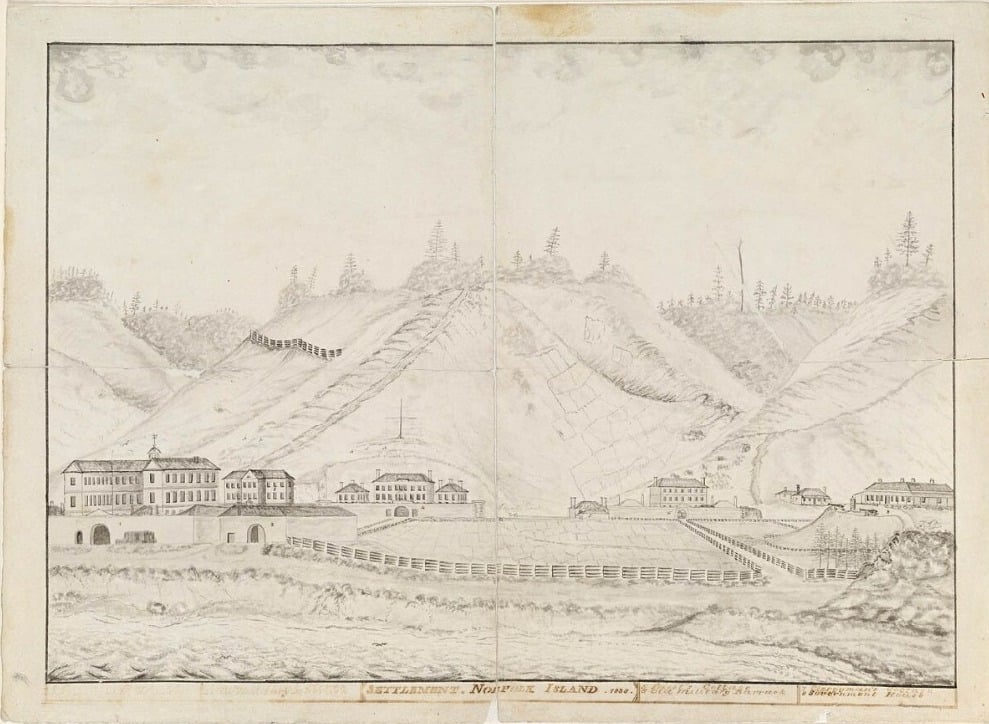

Norfolk Island settlement, 1838. Ink and wash drawing, artist unknown. State Library of New South Wales, SV8/Norf I/5.

⬅ See all events from 25 September

Spread the word on your favourite platform!

On 25 September 1983, 38 IRA prisoners staged a mass breakout from the Maze Prison in County Antrim, Northern Ireland, the largest prison escape in British history. The men overpowered guards inside H-Block 7, some using smuggled handguns, and seized control of the wing before storming the front gate disguised in stolen prison officer uniforms.

In the chaos one prison officer was stabbed to death and twenty others were injured during the breakout. Several escapees hijacked a delivery lorry to get beyond the perimeter fences, and while a number were recaptured within days, others evaded capture for years, some fleeing abroad before eventually being caught or negotiating their return.

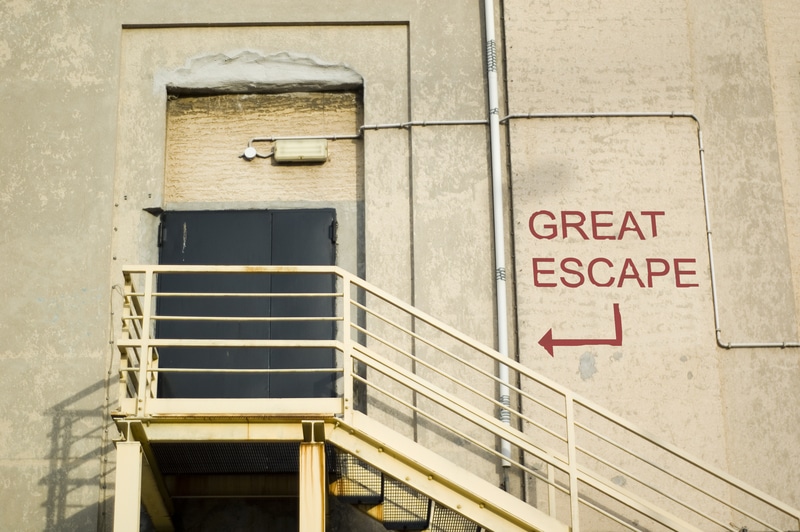
The escape became known among Irish republicans as the Great Escape, a name that stuck for decades and turned the breakout into one of the defining episodes of the Troubles.

A Great Escape
A Great Escape

⬅ See all events from 25 September

Spread the word on your favourite platform!

After 24 years, the case that haunted Perth came down to a single judge and a 619-page verdict. Bradley Edwards, a 51-year-old former Telstra technician, was found guilty of two of the three Claremont murders and not guilty of the third.

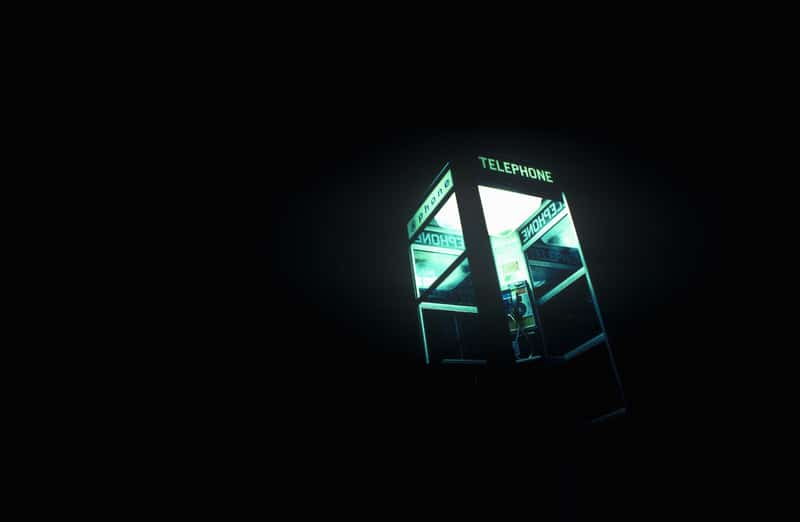
All three women vanished after nights out in Claremont, then one of the busiest nightspots in the city. Sarah Spiers, 18, called a taxi from a phone booth at 2.06 am in January 1996; when it arrived three minutes later, she was gone. Her remains have never been found, and although Edwards was acquitted of her murder, the judge found it more likely than not that he was involved in her disappearance. Jane Rimmer, a 23-year-old childcare worker, was last seen on security footage that June and was found 55 days later in bushland by a family picking wildflowers. Ciara Glennon, a 27-year-old lawyer, disappeared in March 1997 and was found 19 days later in scrub north of the city.

The hunt became the biggest, longest and most expensive investigation in Western Australian history. Thousands of taxi drivers were fingerprinted and DNA tested, 110 “persons of interest” were sent a questionnaire asking “Are you the killer?”, and a public servant was pursued as the prime suspect for a decade before being cleared.

Edwards had no known link to the case until his arrest in December 2016. DNA found under the fingernails of his final victim matched a kimono dropped by an intruder fleeing a suburban house in 1988, and fibres on both bodies matched the Telstra-issue station wagon he drove at the time. Tried without a jury over seven months and more than 200 witnesses, he was sentenced to life with a 40-year minimum, the judge noting a “high likelihood” that he would die in prison.

Telephone booth at night with interior lights

⬅ See all events from 24 September

Spread the word on your favourite platform!

Susan Atkins, one of the most notorious members of Charles Manson’s cult and a participant in the infamous 1969 Tate-LaBianca murders, died in custody at California’s Central California Women’s Facility while serving a life sentence.

Atkins had spent nearly four decades behind bars, repeatedly denied parole despite being terminally ill with brain cancer in her final years. Her role in the killing of actress Sharon Tate and others made her one of the most infamous figures to emerge from the Manson Family’s 1969 murder spree.

Evil glare
Evil glare

⬅ See all events from 24 September

Spread the word on your favourite platform!
On This Day in True Crime History
1891·The Mace, the Madam, and a Melbourne Scandal That Never Died
1959·Through a Chapel Ventilator: the Sydney Jailbreak That Triggered Australia's Biggest Manhunt
More Crime On This Day →

Subscribe to Dark Stories

True crime stories, dark history and tour news, straight to your inbox.