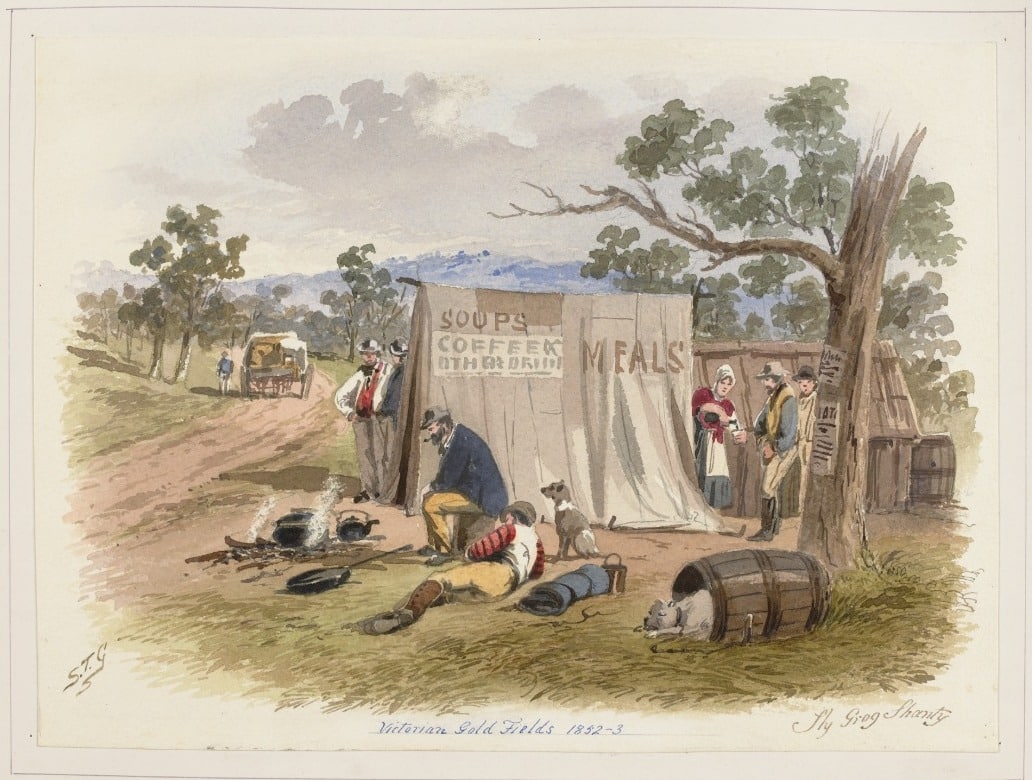
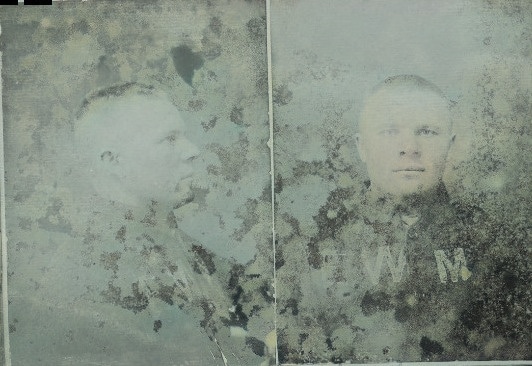
William Westwood was already notorious as Jackey Jackey, a bushranger transported twice and flogged repeatedly, when he helped lead the 1846 Cooking Pot Uprising on Norfolk Island, a desperate convict revolt sparked by brutal rations and treatment. In the chaos, three constables and an overseer were killed.

He was 26 when he was hanged on 13 October 1846, one of the largest mass executions in Australian penal history.
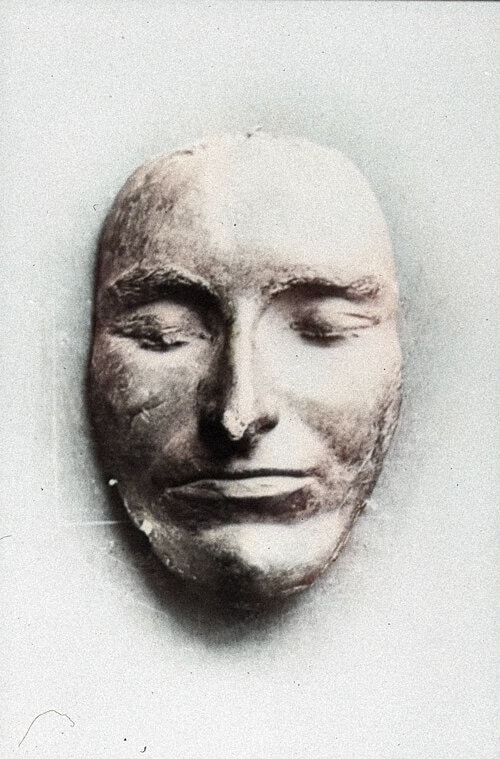

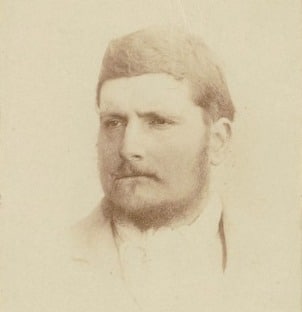
Death mask of William Westwood known as Jackey Jackey

⬅ See all events from 13 October

Spread the word on your favourite platform!

John Caldwell was a former British soldier, court martialled at Bangalore in India for stealing his own equipment and sentenced to seven years transportation. He arrived in Western Australia aboard the General Godwin, landing at Fremantle in 1854, and was granted a ticket of leave the following year. His sentence finally expired in July 1860, a free man again after years of convict servitude.

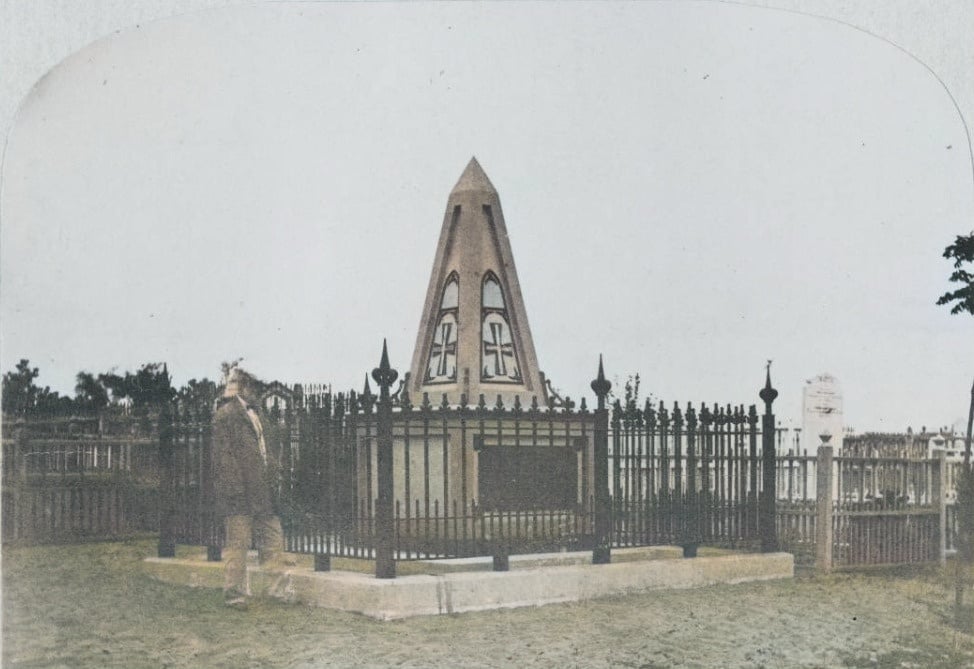
Within months he was convicted of assualt of a local person at Champion Bay. He was tried at the Supreme Court in Perth, sentenced to death, and hanged at the old Perth Gaol just nine days later on 13th Oct 1860, being buried at East Perth Cemetery.

Panter Tomb at East Perth Cemetery burial place of John Caldwell 1860

⬅ See all events from 13 October

Spread the word on your favourite platform!

Two days after shooting cabdriver Paul Stine dead in San Francisco, the Zodiac Killer sent the San Francisco Chronicle a taunting letter dated October 13, 1969. Inside was a torn piece of Stine’s bloodstained shirt, offered as proof the killer was the same man terrorising the Bay Area, not a copycat.

The letter mocked police for failing to catch him despite patrols flooding the area that night, and promised more killings to come. It remains one of several pieces of physical evidence tied to an identity that, more than fifty years on, has never been conclusively proven.

Symbolism
Symbolism

⬅ See all events from 13 October

Spread the word on your favourite platform!

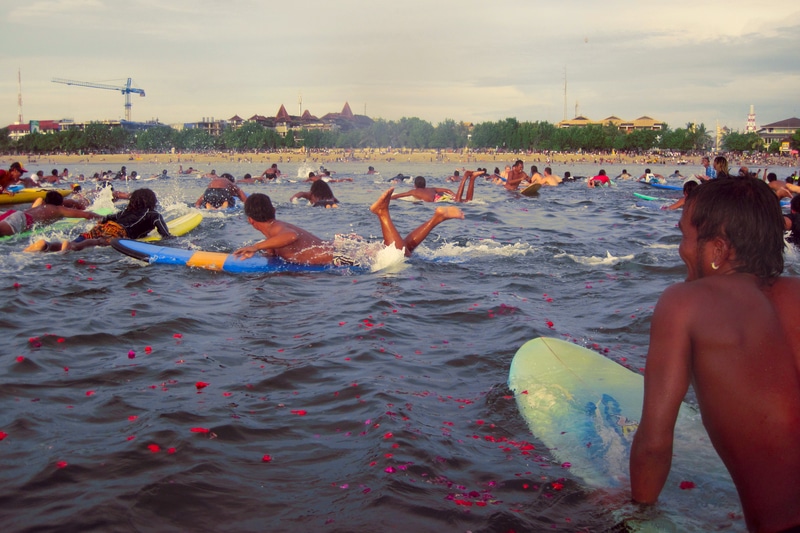
On 12 October 2002, a suicide bomber walked into Paddy’s Pub in Bali’s Kuta district and detonated an explosive vest on the crowded dance floor. Twenty seconds later, as survivors fled into the street to see what had happened, a second bomb hidden in a van outside the Sari Club tore through the crowd gathered there, killing many who had just escaped the first blast. The attack claimed 202 lives, including 88 Australians, the deadliest act of terrorism in Indonesia’s history. Three men were convicted of orchestrating the bombings and sentenced to death. They were executed by firing squad on Nusakambangan island in November 2008. In their final moments, the three men showed no remorse, shouting loudly, rather than any word of apology.

Kuta carnival 2010. Paddle for peace. Bali. Annual Kuta beach carnival celebration. Initially organized as a response to the Bali terrorist attack of October 2002, the event has now become a regular fixture on Bali's busy calendar of yearly events. October 2010. Among majority of events - every year all surfers padles to the mid of the ocean to make the circle, unite the hands, put flowers into the water and pray for victims of terrorist attack. The name of this part is Paddle for piece | ID 16538257 © Evgeniya Bolyukh | Dreamstime.com
ID 16538257 © Evgeniya Bolyukh | Dreamstime.com

⬅ See all events from 12 October

Spread the word on your favourite platform!
On This Day in True Crime History

Subscribe to Dark Stories

True crime stories, dark history and tour news, straight to your inbox.